LED Wall Washer Lights: The Complete Guide for Outdoor Facades
Quick answer: An LED wall washer is a linear outdoor light that spreads an even wash of light across a wall or facade instead of lighting a single spot. Choosing one comes down to five things: the beam angle that matches your wall height, enough output per metre, an IP rating that matches the site, a control method (on/off, DALI or DMX) and a build that will last outdoors. This guide covers each of them and links to our detailed articles on every topic.
Whether you are a lighting designer, an electrical contractor or a building owner, this page is the starting point. Each section gives you the essentials; follow the links when you need the full detail.
What Is an LED Wall Washer Light?
A wall washer is a luminaire designed to cover a vertical surface with smooth, even light. Most outdoor wall washers are linear fixtures, typically about 0.3 to 1.2 metres long, mounted at the base or top of a wall and aimed along its face. Placed in a continuous row, they make a whole facade glow without visible hot spots.
Three fixtures are often confused:
- Wall washer: wide, even light that hides surface texture and makes the wall read as one clean plane.
- Wall grazer: mounted very close to the wall so light skims across it and brings out texture such as stone, brick or ribbed panels. See wall grazer vs wall washer for when to use each.
- Floodlight: a compact, high-output fixture that throws light over a distance, used for large surfaces, columns or landmarks from further away.
How Wall Washers Work: Optics and Beam Angle
The lens decides what a wall washer can do. Symmetric beams (for example 15°, 30°, 45° or 60°) spread light equally in both directions. Asymmetric or elliptical beams (for example 10°×60° or 15°×35°) are narrow in one direction and wide in the other, which pushes light up the wall while keeping it spread sideways.
As a starting point, narrower beams reach higher walls and wider beams suit lower walls viewed up close:
| Wall height (approx.) | Typical starting beam | What to check |
|---|---|---|
| Up to 3–4 m | 30°–60° or a wide asymmetric beam | Hot spots at the base, glare at eye level |
| 4–10 m | 15°–30°, or 10°×60° asymmetric | Even brightness at the top of the wall |
| Above 10 m | 10°–15° narrow beam, often in two rows | Enough output per metre to reach the top |
These are rules of thumb, not a specification. Wall colour, material and viewing distance change the result, so confirm with a photometric simulation or a night mock-up. Our guide to choosing wall washer sizes and beam angles for each project goes into the detail.
Main Types of Outdoor LED Wall Washers
- Single-colour white: 3000K, 4000K or 5700K. The most common choice for offices, hotels and civic buildings.
- RGB and RGBW colour-changing: controlled by DMX512 for scenes, festivals and branding. RGBW adds a dedicated white channel for cleaner whites and pastels. See our practical guide to outdoor RGB and RGBW LED lighting.
- Slim and high-power models: slim profiles (around 26–35 mm wide) hide in tight details; larger bodies (up to about 80 mm wide and 120 W per metre) light tall facades.
- Flexible wall washers: for curved surfaces and irregular architecture.
- Solar wall washers: for sites without mains power. Read the solar wall washer lights guide before specifying them for a project.
Key Specifications to Compare
When you compare datasheets from different suppliers, these are the numbers that decide how the facade will look and how long it will last:
- Power and output per metre: typical outdoor wall washers range from about 12 W to 120 W per metre. More output is not always better; match it to wall height and the brightness of the surroundings.
- Beam angle: see the table above.
- Colour temperature and consistency: order all fixtures for one facade from the same LED bin and batch. A visible colour difference between fixtures is one of the most common complaints on finished projects.
- IP rating: IP65 is the minimum for outdoor use. IP66 suits most facades exposed to wind-driven rain; IP67 suits locations where water can collect. Our article on why outdoor LED lights fail from water ingress explains what each rating really tests.
- Housing and heat dissipation: aluminium housings (such as 6063 alloy) with a good thermal path keep the LEDs and driver cool, which protects lifetime and colour. More on this in technical features that drive wall washer performance.
- Input voltage: 24 V DC systems need separate power supplies but are safer to handle; 110–240 V AC models connect directly to mains. Long low-voltage runs need voltage-drop planning. See how to size outdoor lighting power supplies.
- Lens and optics: optical-grade PMMA or tempered glass, with stable light transmission over time.
Installation Basics
Most problems on site come from installation details, not from the fixture itself. Before you start:
- Get the distance from the wall right. Set-back and beam angle decide whether the base of the wall is lit evenly or left dark. See wall washer distance from wall for the set-back we typically use and when it changes.
- Plan spacing and set-back. Distance from the wall and spacing between fixtures decide whether you get an even wash or a row of scallops. See how to use LED wall washer lights.
- Follow a proper installation sequence: survey, brackets, wiring, sealing, aiming and commissioning. Step by step in our outdoor wall washer installation guide.
- Wire and seal every connection correctly. Use matched waterproof connectors and leave drip loops. See how wall washer lights are connected and installed.
- Check the mounting height. If the result shows a bright base and a dark top, read what to do when your wall washer bracket is too low.
- Control glare. Check the view from the pavement and from windows before final aiming. See outdoor wall washer glare control.
Control Options: On/Off, DALI and DMX512
Static white facades often only need on/off switching or simple dimming (0–10 V or DALI). Colour-changing and animated facades use DMX512, where every fixture or segment has its own address and a controller plays programmed scenes.
- Choosing a controller for RGB or RGBW wall washers: how to select the right controller for LED wall washer lights
- DMX versus DALI: DMX vs DALI lighting control guide
- When an RGBW run shows the wrong colours: DMX addressing troubleshooting
Where LED Wall Washers Are Used
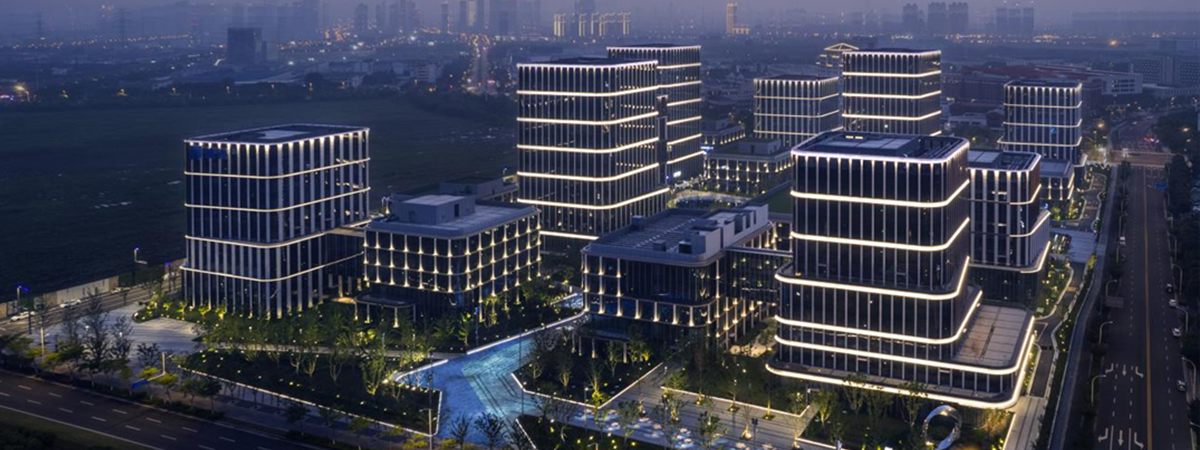
- Building facades: offices, hotels, government and cultural buildings. See LED wall washer lighting for architectural facades and our complete guide to facade lighting.
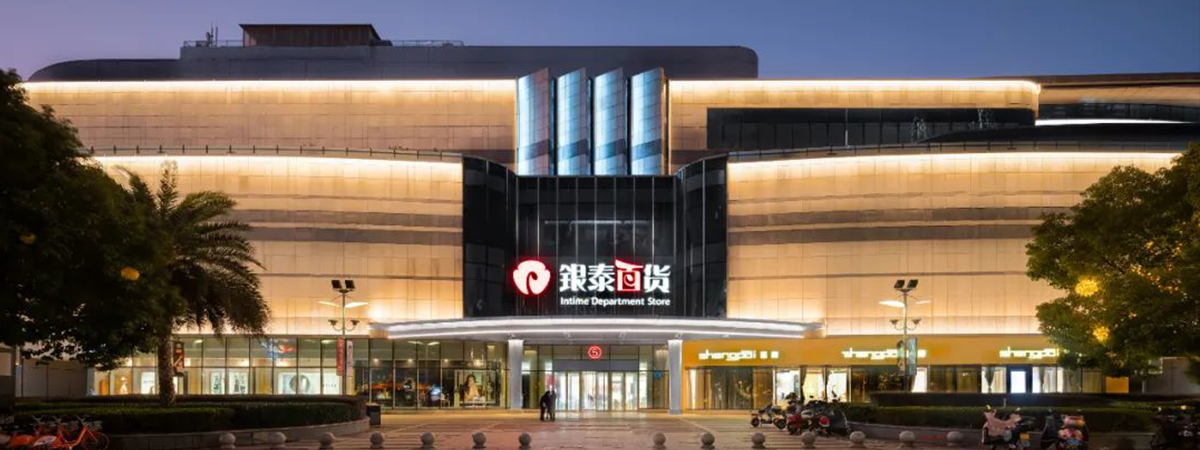
- Commercial and public spaces: shopping centres, plazas and transport hubs. See wall washer lighting for commercial and public spaces.
- Bridges and riverbanks: washing piers, parapets and retaining walls.
- Landscape and heritage structures: low walls, monuments and historic buildings, usually with warm colour temperatures.
Standard or Custom Wall Washers?
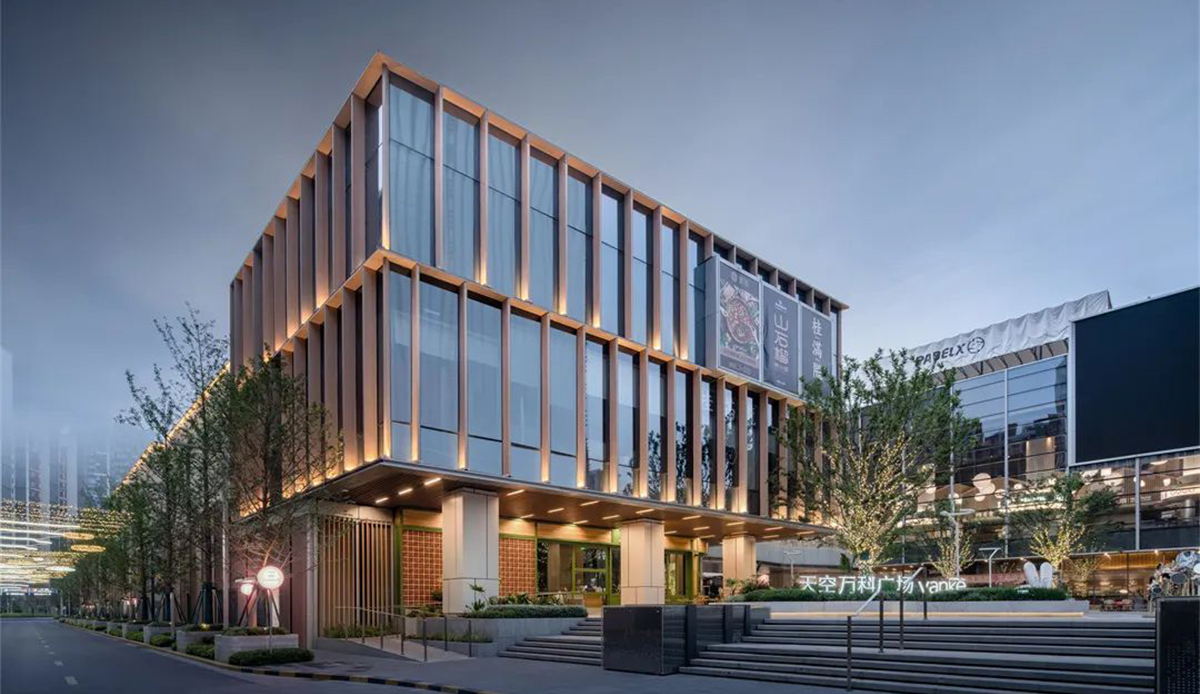
Standard catalogue lengths and beams work on many projects. Complex facades, with deep reveals, curved surfaces, tight cavities or housings that must match the cladding colour, often need custom lengths, optics, finishes or brackets.
- Why standard fixtures struggle on real projects: why one-size-fits-all LED wall washers fail
- What can be customised: custom LED wall washers for facade lighting
- Combining wall washers with linear lights: custom wall washer and linear light solutions for complex facades
Reliability: What Keeps Wall Washers Working Outdoors
Outdoor wall washers face rain, UV, heat, cold and, on coastal sites, salt. The fixtures that last share a few traits: sealed connectors and cable entries, a cool-running driver, corrosion-resistant hardware and stable optics.
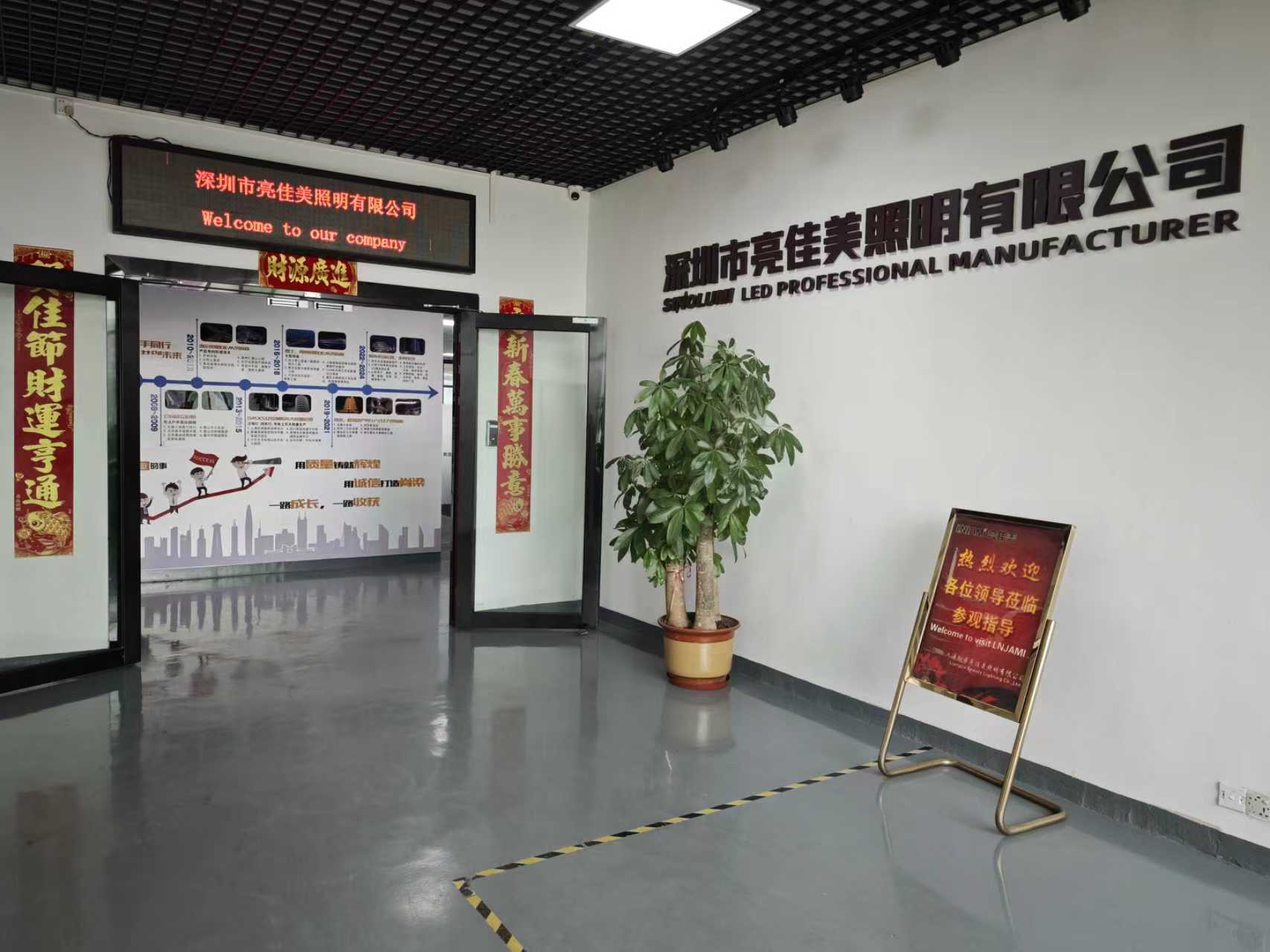
At LNJAMI, our fixtures use MEAN WELL drivers, and every fixture goes through burn-in testing before shipment, typically 24 to 48 hours for production orders and longer for samples. Test data for a specific model can be shared directly with project teams on request. For coastal projects, ask any supplier for a salt spray test report; our guide on how to read a salt spray test report shows what to look for. Read more about how outdoor LED lights are tested for extreme weather.
Buyer Checklist: Choosing the Right LED Wall Washer
- Wall height, width and surface material confirmed from drawings or a site survey
- Beam angle chosen for the wall height, ideally checked with a simulation or mock-up
- Output per metre matched to wall height and surrounding brightness
- Colour temperature fixed, and all fixtures ordered from one LED bin
- IP rating matched to the worst water condition on site
- Control method agreed: on/off, 0–10 V, DALI or DMX512
- Power supply locations and cable runs planned for voltage drop
- Brackets, fasteners and finish suitable for the climate (stainless hardware on coastal sites)
- Samples or a first-article install approved before mass installation
- Warranty terms and spare parts agreed
For a deeper version you can attach to a tender, see selecting LED wall washer lights for outdoor architectural applications.
LNJAMI Outdoor LED Wall Washers
Our LED wall washer range covers 12 W to 120 W per metre, in 3000K, 4000K, 5700K, RGB and RGBW, with symmetric beams from 15° to 60° and asymmetric options such as 10°×60° and 15°×35°. Fixtures use 6063 aluminium housings, optical-grade PMMA lenses and DMX512 control, with 24 V DC and 110–240 V AC versions. Samples are available, including for replacement and retrofit projects.
Book a free project consultation → Send us your elevations, wall heights and control requirements, and our engineers will recommend fixture models, beam angles and spacing for your facade.
FAQs
What is the difference between a wall washer and a floodlight?
A wall washer is usually a linear fixture placed close to a wall to spread light evenly along it. A floodlight is a compact, high-output fixture that throws light from a distance onto large surfaces or objects. Many facades use both.
How far apart should wall washers be installed?
Most linear wall washers are installed end to end in a continuous row. Set-back from the wall and the beam angle matter more than spacing between units; check them with a simulation or a short night mock-up before installing the whole facade.
Which beam angle should I choose?
As a starting point, use wider beams (30°–60°) for walls up to about 4 m and narrower or asymmetric beams (10°–30°) for taller walls. Confirm with a mock-up, because wall colour and viewing distance change the result.
What IP rating does an outdoor wall washer need?
IP65 is the minimum outdoors. IP66 is a safer choice for exposed facades with wind-driven rain, and IP67 for locations where water can collect around the fixture.
Can wall washers change colour?
Yes. RGB and RGBW wall washers controlled by DMX512 can run static colours, scenes and animations. RGBW gives cleaner whites than RGB alone.
Do LED wall washers work in cold or hot climates?
Yes, if the driver, seals and housing are designed for it. Ask the supplier which temperature tests the model has passed and for the operating temperature range on the datasheet.