
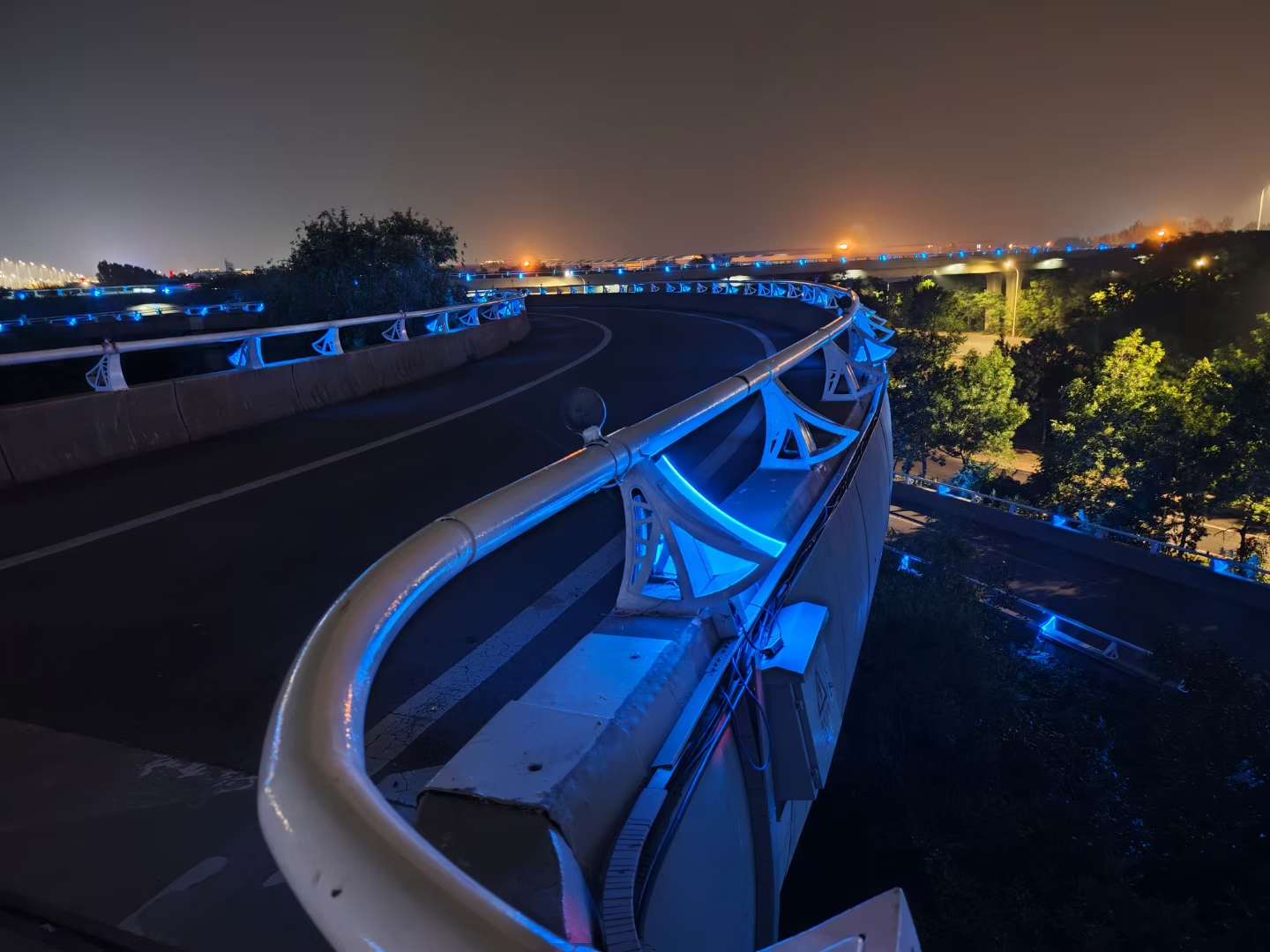
This case study explores how we developed a fully customized DMX512 RGBW light guide plate (LGP) lighting system for a major airport gateway highway. Facing challenges such as curved guardrail installation, glare control, long-distance signal transmission, and harsh outdoor conditions, our engineering team created a unique 8mm curved LGP solution with clamp-on mounting and synchronized DMX512 control. Through prototype testing, optical optimization, and on-site adjustments, the project successfully transformed a dark highway corridor into a dynamic, safe, and visually impressive lighting landmark, demonstrating our advanced customization capabilities for complex architectural and outdoor lighting applications.
READ MORE>>
2026-07-30 14:52
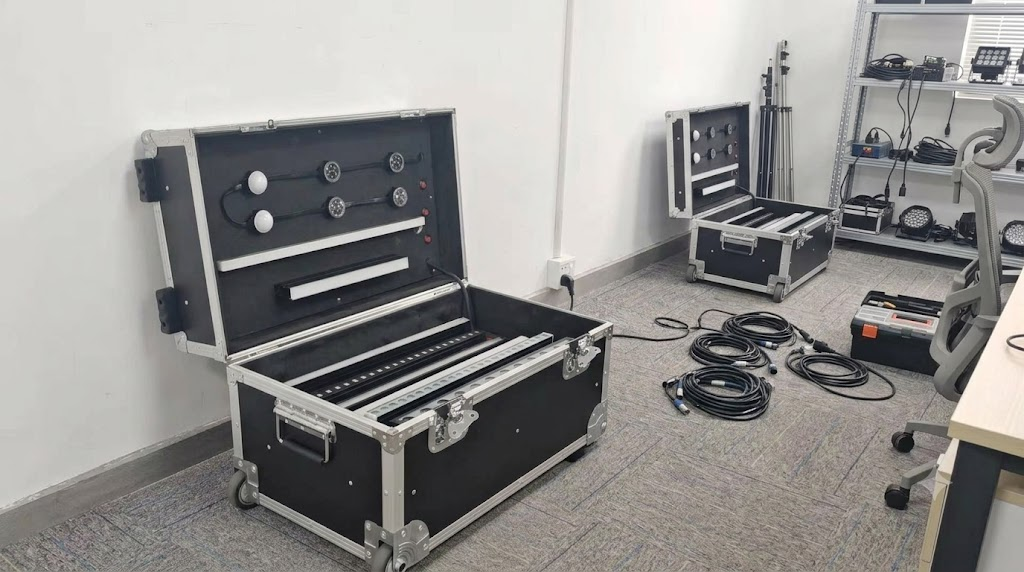
To overcome trust and technical verification challenges in international architectural lighting projects, we brought a custom DMX512 lighting sample case to Jeddah, Saudi Arabia, for an on-site product demonstration with our client. By testing DMX512 synchronization, lighting effects, optical performance, and installation solutions in person, the client was able to directly evaluate the real performance of our wall washers, linear lights, pixel lights, and flexible LED strips. This face-to-face technical exchange shortened the communication process and eliminated uncertainties regarding product quality, system compatibility, and installation feasibility. Through real product demonstrations and professional engineering support, we strengthened customer confidence and accelerated the transition of the Saudi building facade lighting project from evaluation to implementation.
READ MORE>>
2026-07-28 10:08
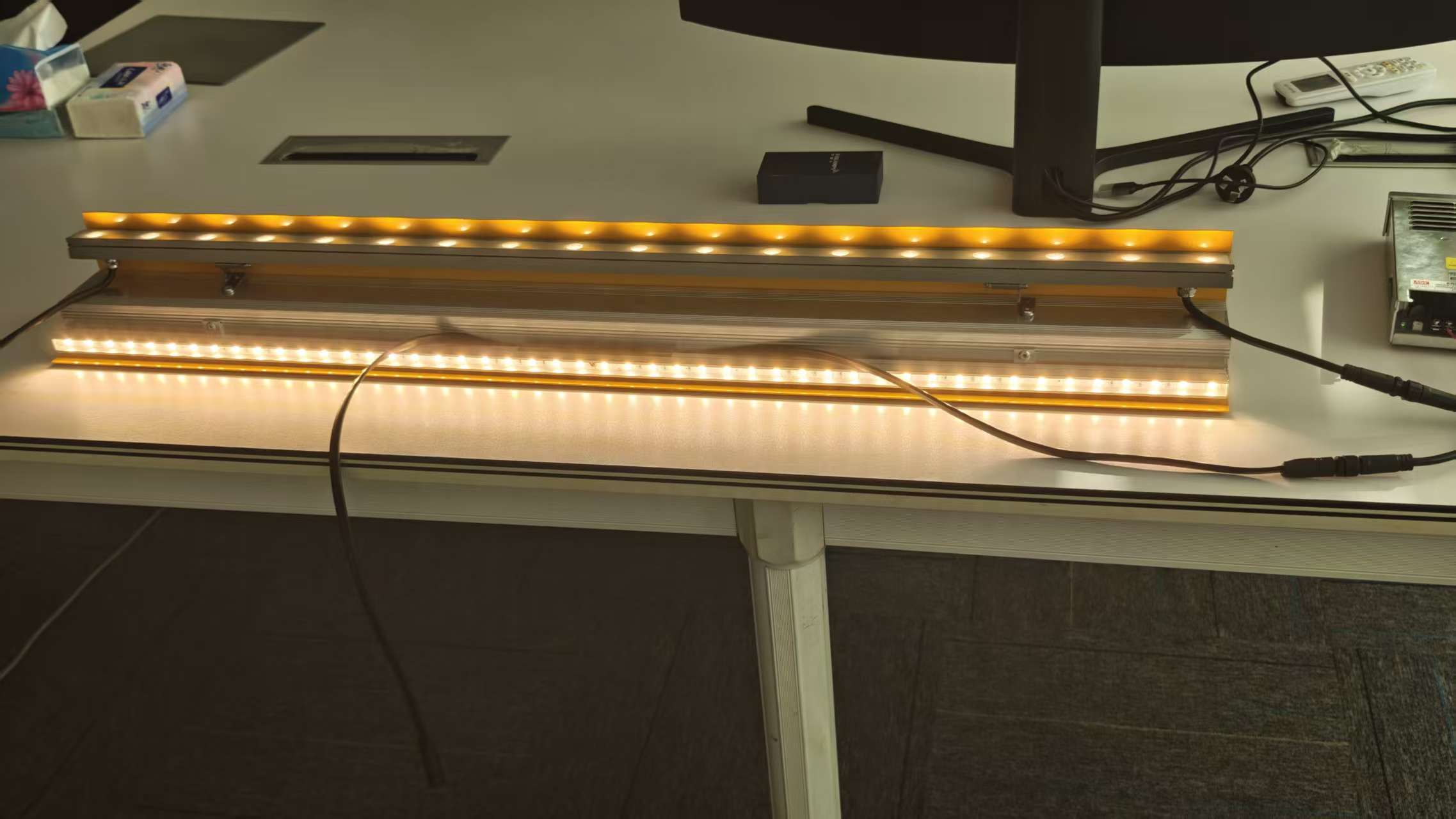
Discover how custom wall washer and linear lighting solutions transform complex building facades from flat surfaces into dynamic architectural features. This article explains why single-layer lighting often fails, how the combination of wall washers and linear lights creates depth and visual hierarchy, and how customized optics, extrusions, and mounting solutions solve real facade challenges such as structural shadows, tight installation spaces, curved surfaces, and seamless integration. Learn how architects and engineers can achieve better facade aesthetics, glare control, and long-term lighting performance with tailored architectural lighting systems.
READ MORE>>
2026-07-24 13:53
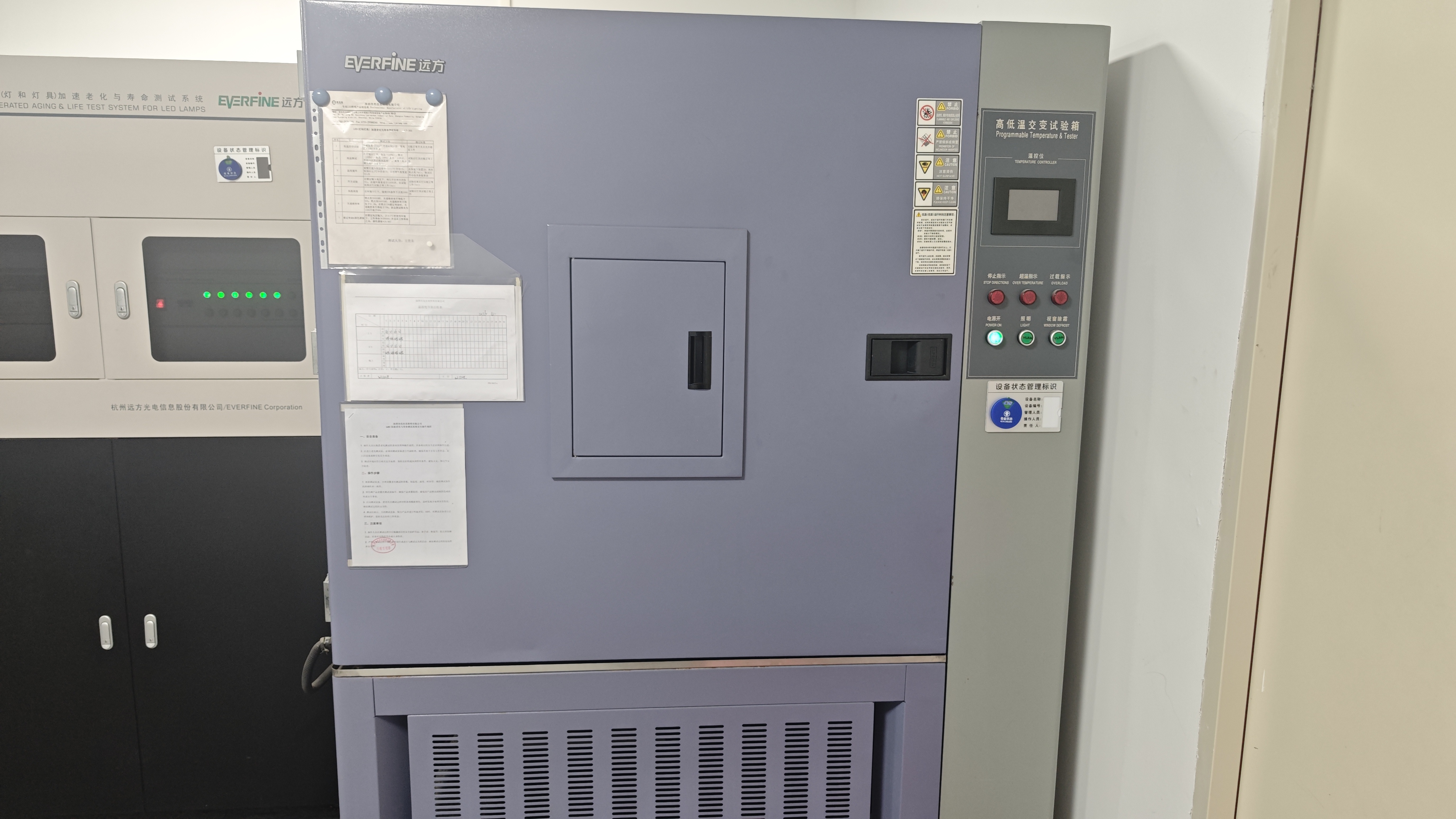
Outdoor LED lights face extreme challenges beyond rain and dust, especially repeated temperature changes that cause thermal stress, material expansion, seal failure, and electronic damage over time. This article explores how professional LED manufacturers test outdoor fixtures through seven reliability tests, including low-temperature startup, thermal cycling, high-temperature stress, humidity resistance, lumen maintenance, and color stability evaluation. By going beyond basic IP65 ratings, these testing methods help ensure that LED wall washers and linear lights can maintain reliable performance, consistent brightness, and long-term durability in harsh environments such as deserts, coastal areas, and cold climates.
READ MORE>>
2026-07-23 11:13
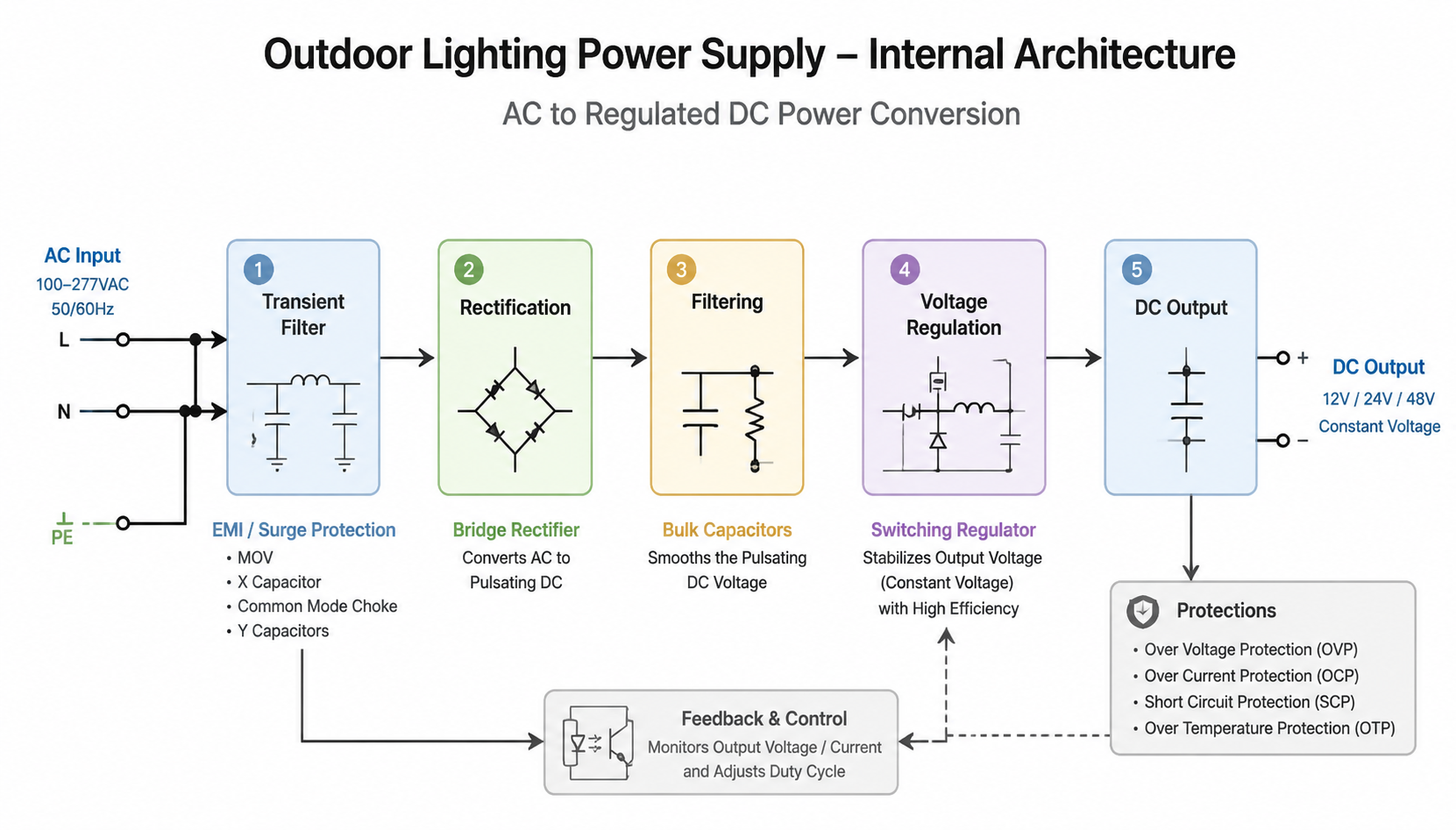
Outdoor lighting power supply selection directly impacts the reliability, efficiency, and lifespan of architectural and landscape lighting systems. This engineering guide explains how to properly size and specify outdoor LED power supplies, covering voltage selection, constant voltage vs. constant current drivers, IP ratings, power capacity calculation, voltage drop control, cable selection, surge protection, and international compliance standards. Based on real-world lighting project experience, this guide helps architects, engineers, and contractors avoid common power supply failures and design safer, longer-lasting outdoor lighting installations.
READ MORE>>
2026-07-17 16:29
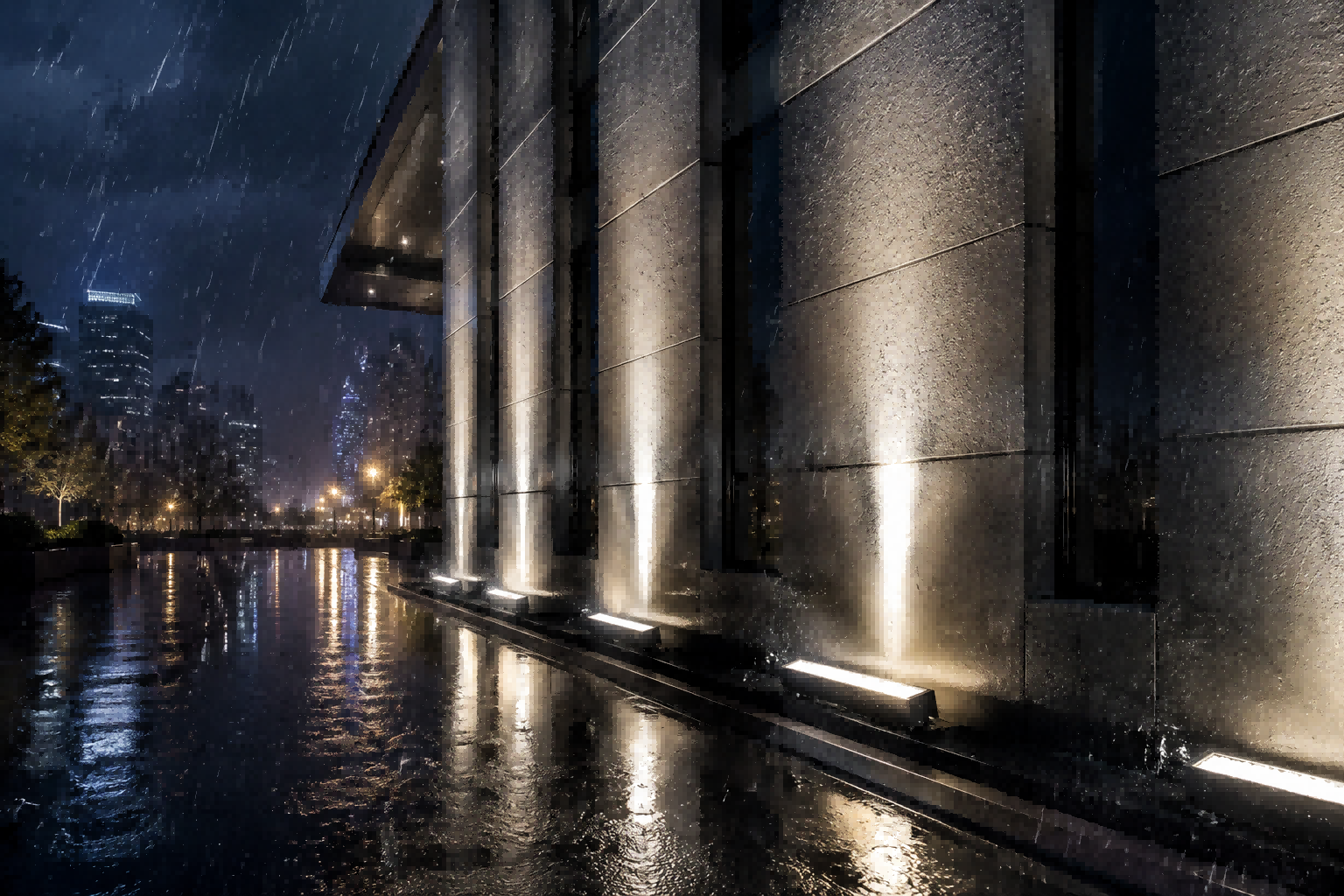
Rainy season conditions severely affect outdoor LED lights not by damaging the LED chips, but by attacking the enclosure and sealing system. Continuous rain, high humidity, and temperature changes can lead to water ingress through weak points like cable glands and gaskets. Once moisture enters, it causes condensation, corrosion of circuit boards, and unstable electrical performance, often resulting in flickering or complete failure. LED drivers are especially vulnerable to humidity damage. Over time, repeated wet-dry cycles degrade seals and structural integrity, turning small waterproofing weaknesses into major faults. Most rainy-season failures are therefore caused by progressive enclosure breakdown rather than sudden component defects, emphasizing the importance of proper IP rating, installation quality, and routine maintenance.
READ MORE>>
2026-07-03 13:44

