Innovations in Outdoor Linear Lighting for Architectural Exteriors in the United States
Introduction
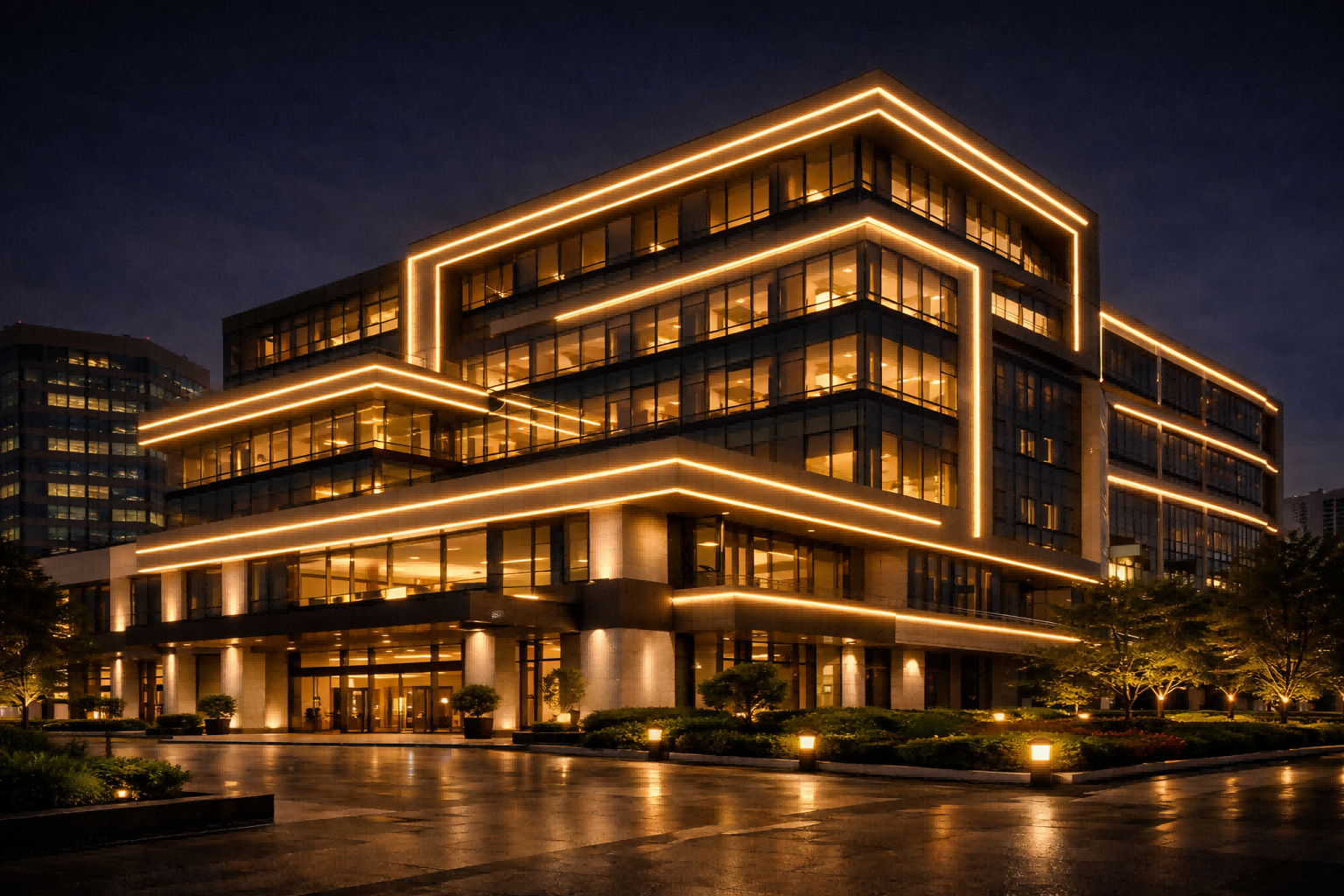
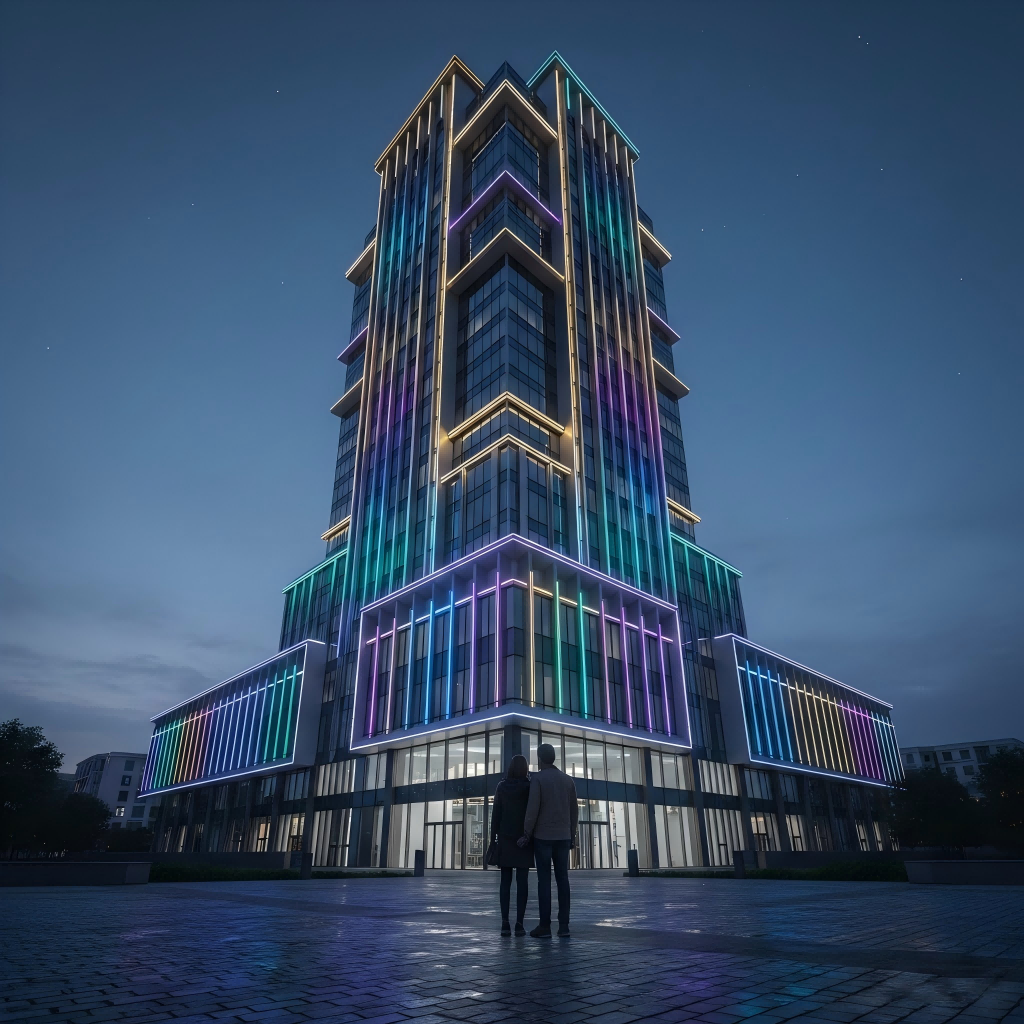
In today’s American urban context, outdoor linear lighting has undergone an identity transformation: it has evolved from a pre-completion “decorative accent” into a “structural language” that defines a building’s nocturnal character. This shift is visible across major U.S. cities. In New York, slender light ribbons run up glass façades along structural lines; in Los Angeles entertainment districts, dynamic light bands sweep across elevations like digital brushstrokes; and in Chicago’s historic neighborhoods, linear lighting is used more discreetly to re-sketch the depth and tension of classical masonry.
The drivers behind this change go beyond brighter LED chips: they are the result of deep integration between technology and design. Fixtures are becoming exceptionally compact—often visually absent during the day; optics have advanced to surgical precision; and control systems give buildings a near-biological awareness, enabling real-time shifts with time, events, or data streams. Top solutions are typically born in the seams between architecture and engineering: how fixtures are concealed in mullions, how beams interact with rough stone, and how programmatic logic keeps a façade elegant rather than gaudy. This article examines the practical innovations shaping American architectural exteriors today.
1. Why Outdoor Linear Lighting Is Transforming Façade Design and Architectural Exteriors in the United States
Outdoor linear lighting has moved from an ornamental afterthought to a core tool for reshaping space and expressing materiality. The reasons are practical and visual.
1.1 Continuous composability and material expression
For decades, floodlights dominated façade lighting in the U.S. Their power and low installation threshold were attractive, but floodlighting flattens complex façades into featureless planes. Linear lighting breaks that monotony.
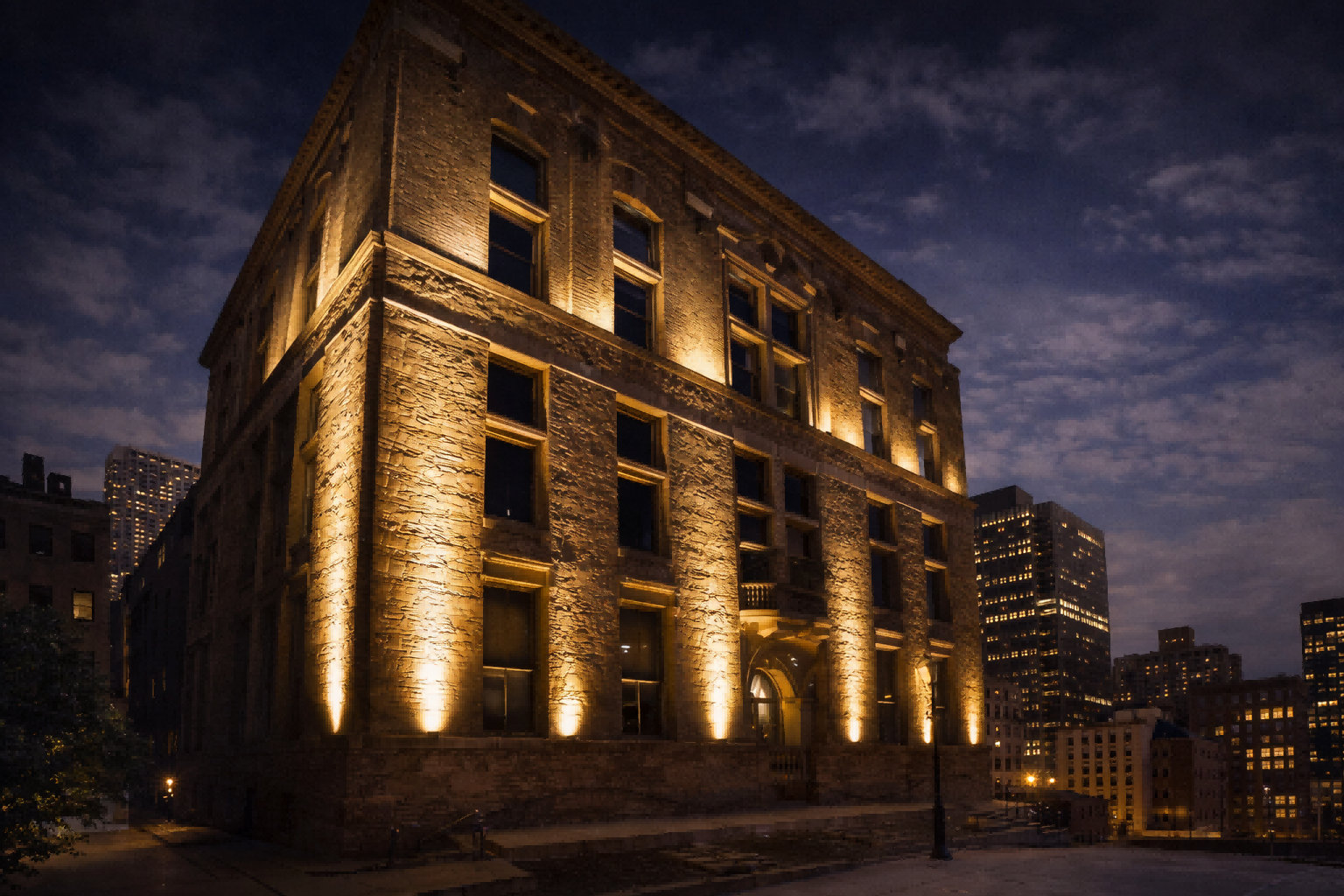
Unlike broad-angle floodlights, linear fixtures offer strong directionality and continuity. They can run along joints, track the rhythm of mullions, or “graze” textured surfaces at close range. In this way, a building’s construction logic becomes legible at night—something floodlighting cannot achieve.
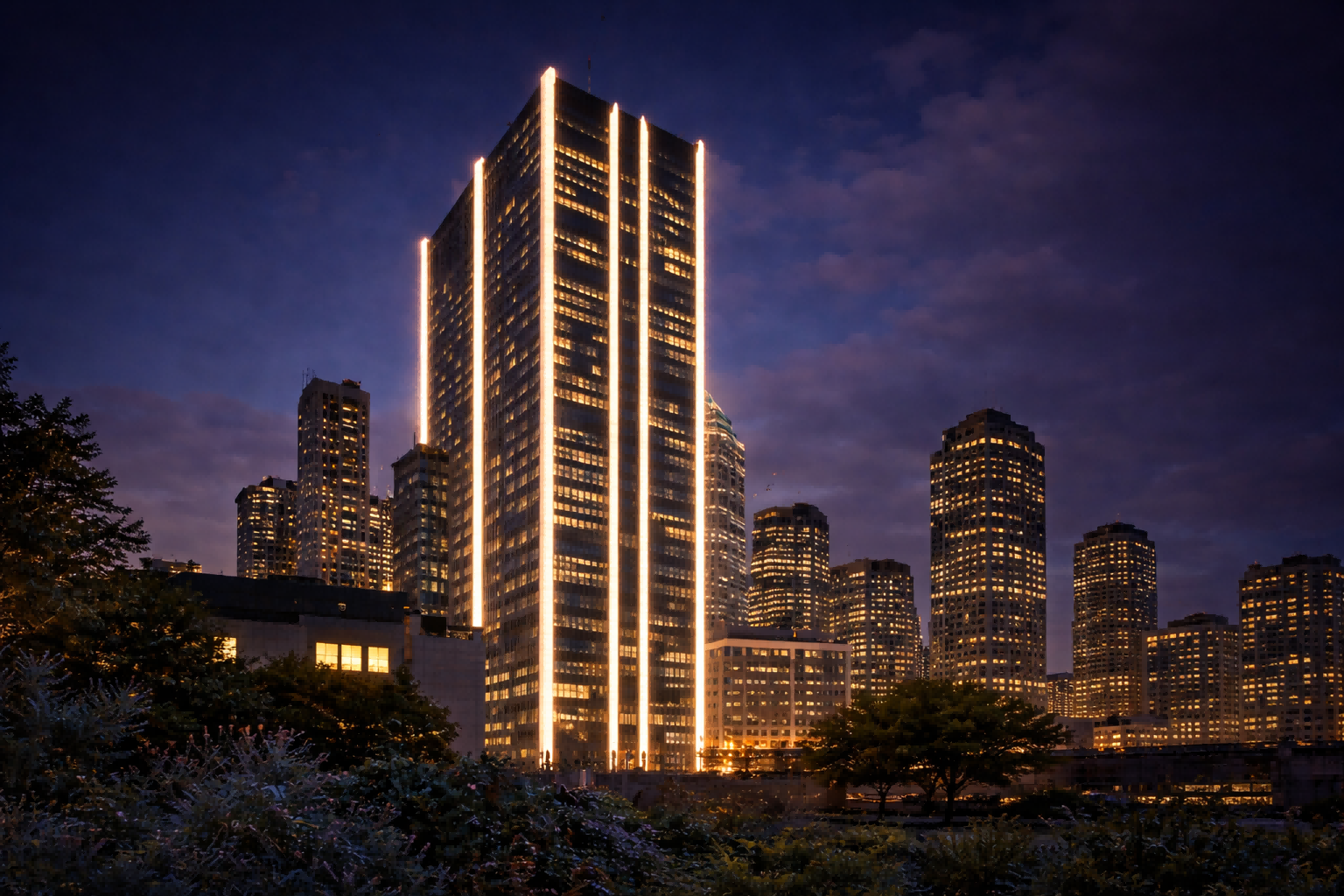
On mockups and in field tests the visual premium is clear. A limestone or precast concrete wall that looks unremarkable by day acquires dramatic relief when narrow-beam linear fixtures graze its texture; micro-undulations become a composition of light and shadow. From a visual-psychology standpoint, humans naturally register lines and edges more readily than large planes, so continuous light bands around a building’s silhouette communicate scale and form more effectively than scattered spotlights. That’s why many recent U.S. tower projects favor vertical linear accents to emphasize height and guide sightlines up to the skyline.
1.2 Predictable optics and thermal performance
Modern linear modules behave like precision optical instruments, giving lighting designers predictable results. Advanced TIR (total internal reflection) lensing lets designers create surgical beam distributions—for example, a 3° ultra-narrow beam that climbs a fifty-story mullion without creating excess spill light into neighboring residential windows. That optical control also helps meet increasingly strict American dark-sky and spill-light regulations.
Thermal management innovations ensure long-run consistency in long runs. Aluminum extrusions are engineered as effective integrated heatsinks so LEDs maintain steady correlated color temperature (CCT) and luminous output over tens of thousands of hours. That reliability means specifying a 100-meter continuous run can deliver homogeneous light quality from ground to roof.
2. Key Innovations in Outdoor Linear Lighting: Miniaturization, Precision Optics & Smart Controls for U.S. Facades
In today’s U.S. architectural scene, innovation no longer means only “brighter.” It means extreme integration, exacting beam control, and future-looking lifecycle management. Below are the core technical innovations driving façade lighting in the United States.
2.1 Extreme Miniaturization and Structural Integration
The biggest innovation in modern linear lighting is daytime “visual disappearance.” By reducing housing widths to under 10 mm, micro linear modules stop being add-ons and become part of the building material itself.
High-end U.S. projects require very early, multidisciplinary coordination: designers no longer simply draw a line on a façade; they must engage mullion and curtain-wall consultants on slot tolerances, sealant interfaces, and waterproofing paths. Crucially, the thermal logic changes—miniaturized fixtures cannot rely solely on convective cooling. Good detailing treats the fixture as part of the cladding assembly and conducts heat into the aluminum extrusion or adjacent structural metal. That deep integration preserves the building’s day-time purity and avoids destructive retrofit work later. Performing 1:1 mockups before construction is the single best insurance against hundreds of installation errors on site.
2.2 Precision Optics and Glare Control
What separates a thoughtfully lit façade from a light-polluted one is where each lumen lands. Precision optics—TIR (total internal reflection) lenses, micro-louvers, and asymmetric reflectors—allow designers to lock light tightly onto the building plane like a surgical incision.
For vertical accenting, ultra-narrow beams of 3°–5° create striking vertical tension with virtually no spill. For wide-area wallwashing, engineered wide distributions remove hotspots and preserve continuous material texture. Always require suppliers to provide detailed candela plots and FWHM (full width at half maximum) data in the spec. Simulations driven by measured optical parameters—not marketing copy—produce predictable, low-glare results. This is not only aesthetic: it helps comply with the guidelines set by the International Dark-Sky Association and increasingly strict U.S. local ordinances.
2.3 Pixel-addressable Systems and the Digital Narrative of Dynamic Facades
Pixelized linear fixtures can turn a building into a programmable canvas, but success depends on design discipline. Pixel density must match viewing distance and content intent: sweeping gradients need moderate pixels-per-meter, while legible geometry or brand messaging requires higher resolution.
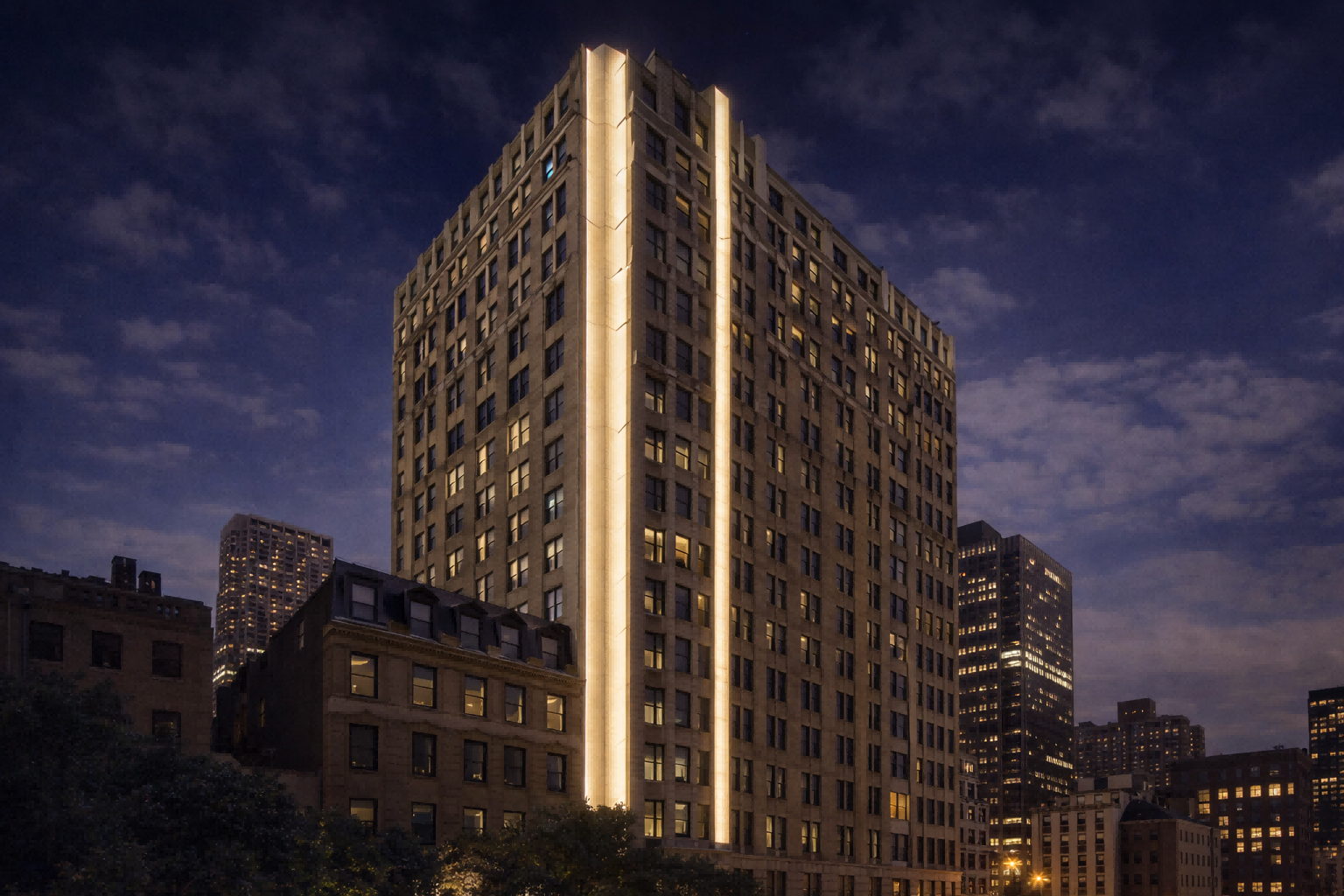
From an electrical standpoint U.S. projects demand robustness: to avoid voltage sag and signal loss on long runs, plan frequent power injection points and distributed controllers. Prefer networked protocols such as Art-Net or sACN and local buffer controllers over fragile daisy-chain designs. Segment control domains and define failover strategies to dramatically increase system resilience. A content governance plan is essential—it ensures dynamic programming enhances place identity rather than devolving into cheap neon signage.
2.4 Smart Control, Connectivity, and Predictive Maintenance
Controls are the intersection of visual ambition and operational reality. Modern façades use telemetry to monitor drivers and modules continuously. With RDM (remote device management) and IoT gateways, facility teams can track per-pixel current, temperature, and health.
For widely distributed corporate campuses, this capability reduces unnecessary truck rolls: an operations manager in New York can detect a drifting driver at a branch in Midwest and intervene before failure. Require open protocols and vendor-neutral APIs in the spec to guarantee long-term maintainability, and include a rigorous cybersecurity patching plan to protect the building’s control layer.
3. Materials & Durability: Engineering Against the Entropy of the American Landscape
In the U.S., façade lighting must fight environmental entropy. From the severe salt-fog of the Atlantic coast to freeze-thaw swings that exceed 80°C in parts of the interior, material failures often begin with small physical imbalances.
3.1 The Molecular Battle: Why Silicone Trumps Epoxy
In outdoor linear fixtures, lumen depreciation usually originates with the protective encapsulant, not the LED chip. Epoxy encapsulants yellow under intense UV—reducing transmittance and causing irreversible spectral shifts.
For high-end projects we insist on optical-grade silicone encapsulation. The Si–O bond energy resists UV degradation, so silicone can remain optically clear for a decade under the intense sun of California. Silicone’s low modulus also acts like a flexible skin, absorbing stresses from mismatched coefficients of thermal expansion (CTE) between PCB and housing and preventing micro-cracks in solder joints—critical for reliability during harsh winter cycles in places like Chicago.
3.2 Thermal Dynamics: Treating Building Structure as a Heat Sink
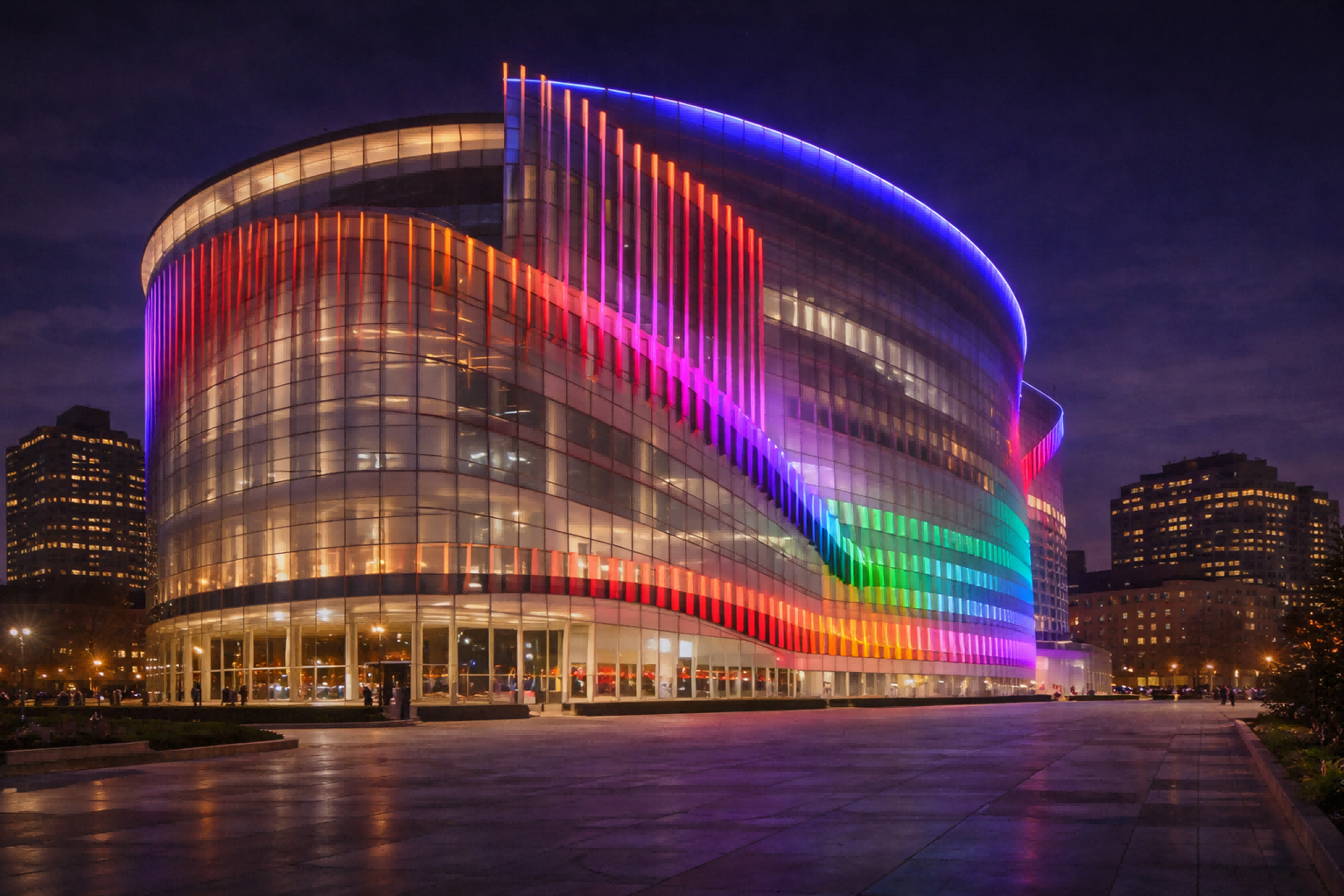
Thermal management should not be limited to the fixture interior; it must be the façade’s energy exchange strategy. Linear fixtures have high perimeter-to-volume ratios. Rather than small internal fins, modern designs use high-performance thermal interface materials (TIMs) to thermally couple the extrusion to the building’s metal structure.
When a fixture is mounted to an aluminum mullion, the building becomes a passive heat sink. This “structural thermal management” can keep LED junction temperatures below ~65 °C, significantly slowing phosphor degradation. For owners this means more stable lumen output and saturated color over a ten-year horizon.
4. Performance Benchmarks: The Science of Measurable Visual Integrity
When a project moves from renderings to construction documents, performance parameters become the “legal instruments” that protect the design intent. Data filters out underperforming substitutes and ensures the façade behaves exactly as designed.
4.1 Quantifying Visual Continuity: Beyond the Standard MacAdam Steps
For ultra-long linear runs, the conventional 3-step MacAdam tolerance is often insufficient to meet top-tier visual expectations. When a façade is viewed from long distances against a very dark background, the human eye becomes extremely sensitive to subtle color differences.
We advocate full-lifecycle color tolerance control. Suppliers must guarantee not only initial color consistency at the factory, but also maintain the same chromatic trajectory when fixtures dim to 10% or 50% output. This requires precise current regulation and strict LED binning across production batches. The competition here is not just about lm/W efficacy, but about spectral purity, chromatic stability, and dynamic color consistency across long linear installations.
For large architectural façades—particularly high-rise buildings in cities such as New York—even slight CCT drift across a 100-meter lighting run can visually fragment the façade. Maintaining sub-3-step color stability across the entire dimming curve becomes critical to preserving visual continuity.
4.2 Lifecycle Forensics: Navigating LM-80 and TM-21
In the U.S. lighting market, many low-cost products advertise “100,000-hour lifetime,” but such claims often lack technical meaning. Professional specifications should instead focus on the L80B10 metric—meaning that after 50,000 hours of operation, at least 80% of the initial luminous flux remains, while fewer than 10% of modules have failed.
Specifiers should always request the supplier’s raw LM-80 testing reports rather than relying solely on marketing summaries. The most important factor is not test duration, but case temperature (Ts) during testing. If LM-80 tests were conducted in a well-ventilated laboratory environment, the results may not represent the real conditions of a fixture embedded in a sealed façade channel.For recessed installations—common in modern curtain wall systems—the operating temperature can be significantly higher. Lifetime projections derived from TM-21 extrapolation must reflect those real-world conditions. Only when lifetime modeling reflects actual installation environments does ROI analysis move from financial speculation to engineering reality.
5. Compliance as an Aesthetic Asset: LEED, Dark Sky, and the Ethos of Light
In high-end American architectural practice, regulations are often misunderstood as constraints on creativity. In reality, compliance can become a catalyst for visual clarity and design discipline.
5.1 Surgical Precision Under Dark-Sky Protocols
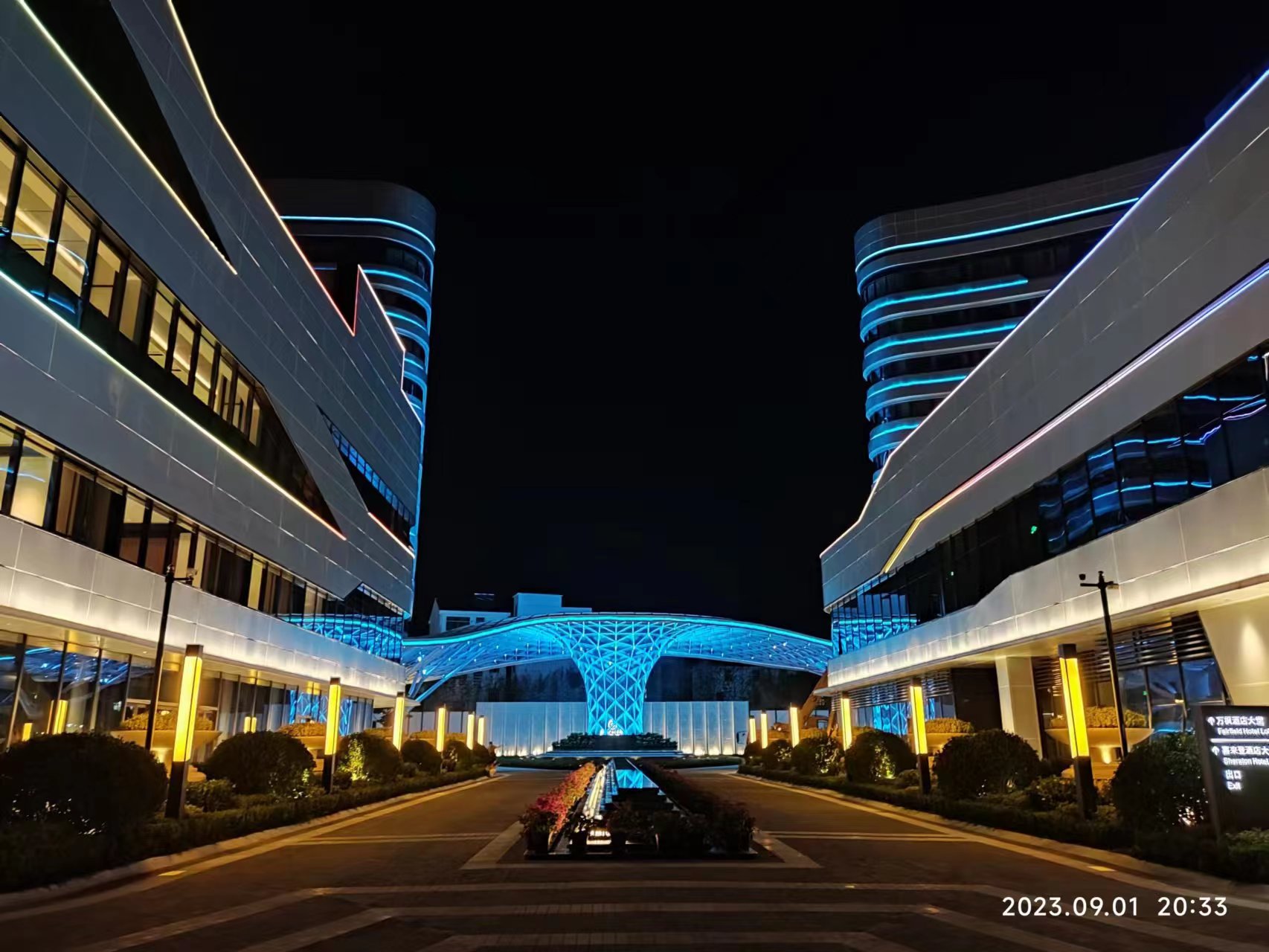
As the influence of the International Dark-Sky Association continues to shape municipal lighting codes across the United States, light spill has become not only an environmental concern but also a measure of professional lighting design.Linear lighting has a natural advantage because of its high optical controllability. Designers can perform what might be called “architectural light surgery.”
In dense urban environments like Manhattan, façade lighting must illuminate architectural surfaces without sending stray photons into the sky or neighboring residential windows. By combining TIR optical arrays with internal louvers or shielding systems, beam angles can be compressed to extremely narrow distributions.This extreme control produces an unexpected aesthetic benefit: heightened contrast. When light stops abruptly at architectural edges such as parapets, the building silhouette appears razor-sharp—almost as if cut by a blade. The restraint imposed by dark-sky compliance ultimately creates a façade with greater visual depth and authority within the urban nightscape.
5.2 Beyond Efficacy: The Sustainability of Chromatic Permanence
Reducing sustainability to energy rebates or lm/W efficiency misses the deeper challenge in architectural lighting. True sustainability lies in extending the visual lifespan of the building—ensuring the façade still looks as intended ten years later without costly retrofits.Within frameworks such as the U.S. Green Building Council LEED certification system, the long-term stability of building systems is becoming increasingly important.
The sustainability battle in linear lighting centers on spectral maintenance. When lower-quality fixtures experience phosphor degradation due to thermal stress, the resulting color shift can become visible within a few years. That is not only an energy issue—it represents the aesthetic failure of the building envelope.A more responsible strategy uses active current management and embedded thermal sensing to keep LEDs operating near the optimal efficiency point of their performance curve. Although this approach slightly increases upfront cost, it ensures the façade maintains its intended color quality throughout its lifecycle without large-scale module replacements.This “build-once, maintain-stability” engineering philosophy ultimately reduces electronic waste and protects the long-term value of architectural assets.
6. From Blueprint to Skyline: U.S. Case Narratives
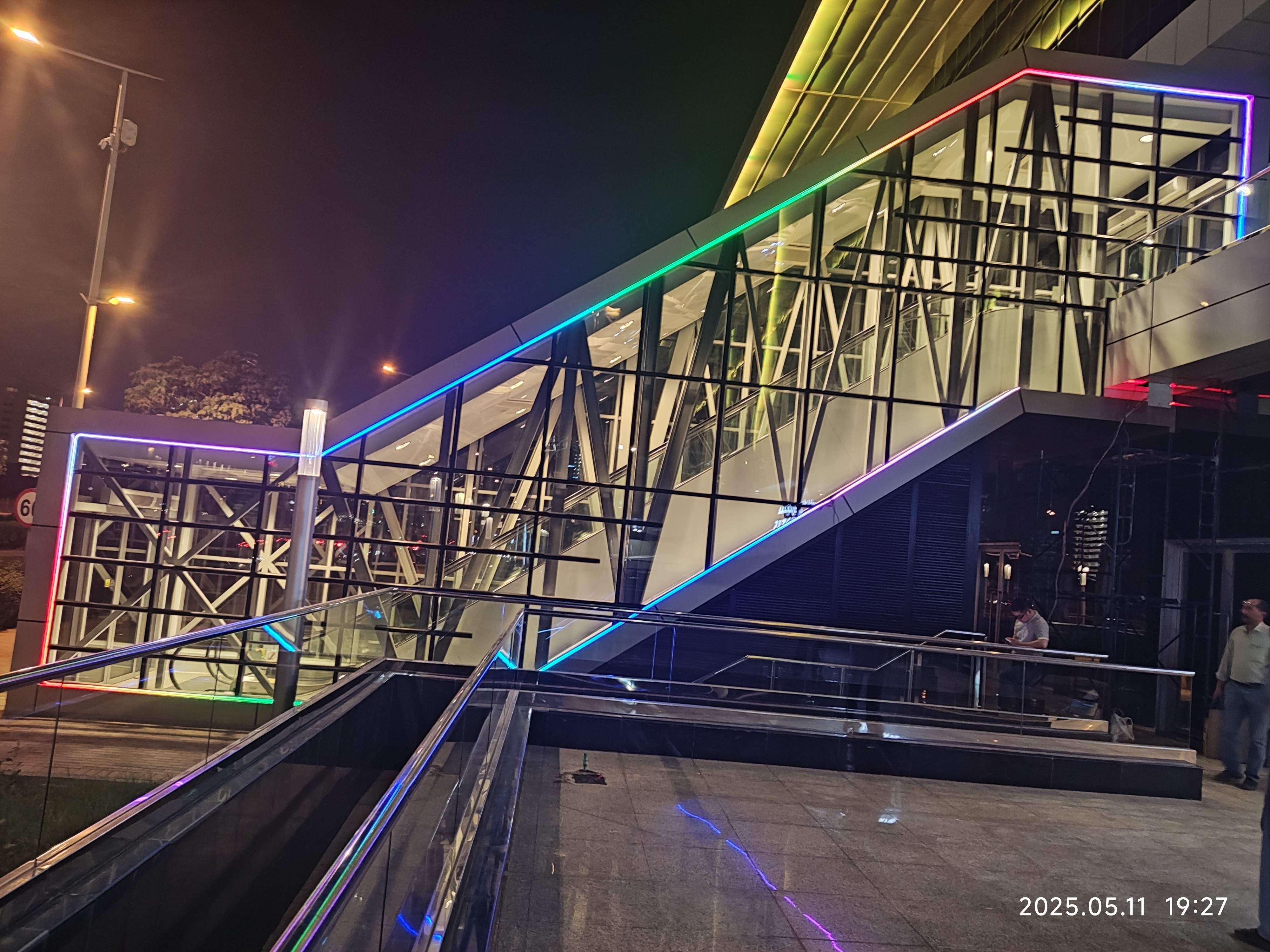
When theory meets reality, every landmark facade becomes a complex laboratory. The following two U.S. case narratives illustrate how outdoor linear lighting systems overcome physical constraints and regulatory pressures to deliver visual breakthroughs in architectural lighting.
6.1 Manhattan High-Rise: Digital Redundancy and the “Never-Dark” Skyline Brand
Project Context:A commercial tower exceeding 350 meters in height in Manhattan integrates continuous vertical “light prisms” along the four façade corners. The lighting concept functions not only as architectural illumination but as a permanent digital signature for the developer in the skyline of New York.
Dual-data loop architecture
At extreme heights, maintenance feasibility becomes as critical as cost. Because of high-altitude wind loads and the extraordinary expense of façade access equipment, the design team rejected any configuration where a single point of failure could compromise the visual continuity.
Each linear lighting module includes two data inputs—primary and backup. Through RDM (Remote Device Management), the system constantly monitors signal health. If signal degradation is detected, the controller automatically injects data from the reverse direction. This ring-redundant architecture ensures that even if a section fails due to lightning or physical damage, the lighting system maintains logical continuity along the entire façade.
Remote hot-service driver architecture
To address winter conditions that can drop below –20°C, drivers were removed from the fixture housings and centralized inside mechanical floors. Roughly 90% of potential electronic failures can therefore be serviced within the building rather than by technicians suspended hundreds of meters above the ground.
Although this centralized driver topology increases initial cabling complexity, it dramatically improves operational reliability and reduces long-term façade maintenance risks.
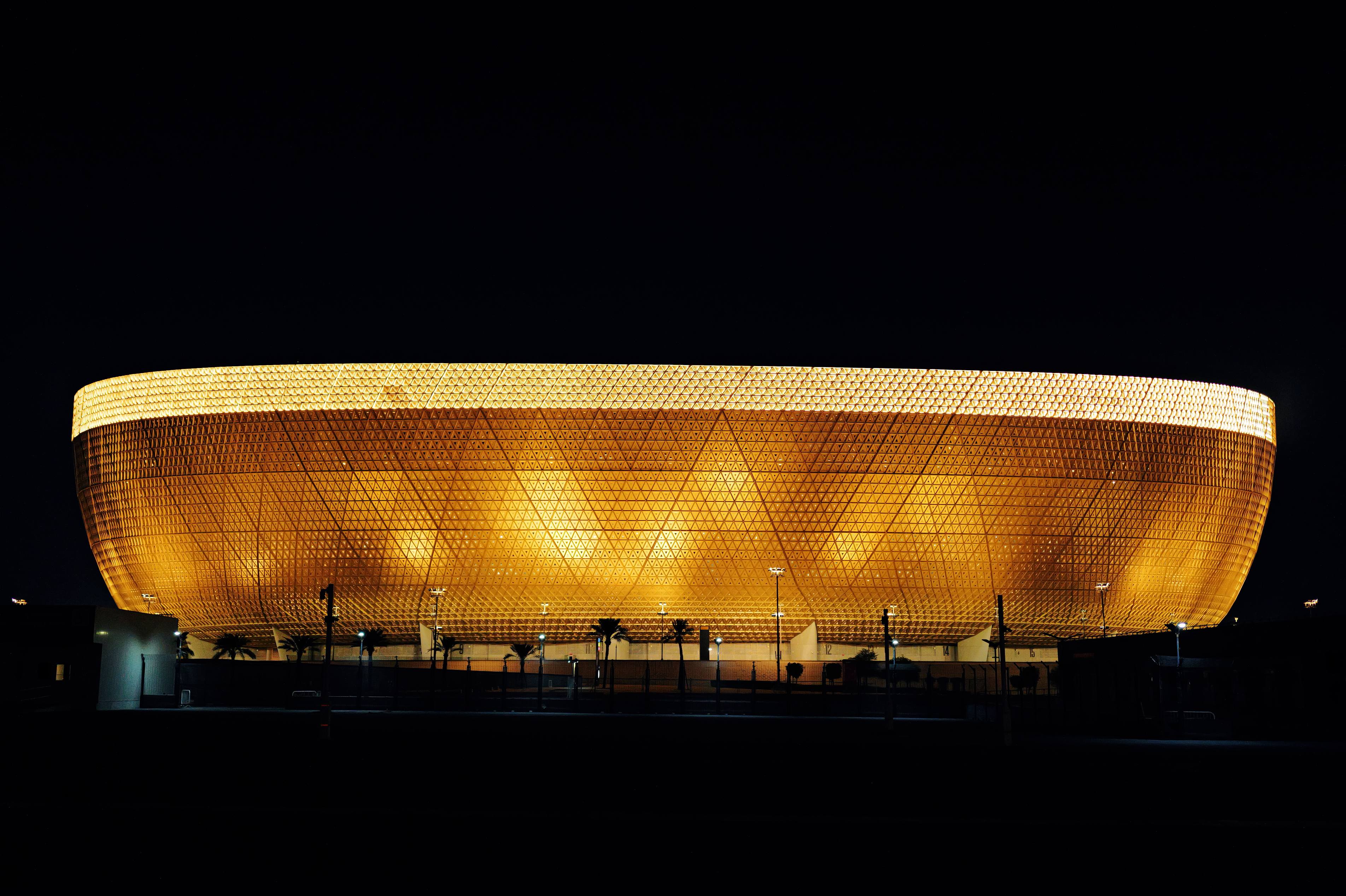
6.2 California Coastal Landmark: Dynamic Visual Expression under Dark-Sky Constraints
Project Context:A waterfront performing arts center in San Diego features a complex hyperbolic architectural form. Because the site lies along a migratory seabird corridor, local regulations impose strict limits on uplight and luminous intensity.
Asymmetric shielding geometry
Traditional linear fixtures often generate diffuse spill light, which would violate coastal environmental lighting restrictions in California.For this project, engineers developed a custom optical array using asymmetric lenses. Instead of projecting perpendicular to the façade, the optical axis tilts downward by approximately 15°, allowing the beam to “hug” the curved surface. Combined with integrated snoots and shielding elements, the system achieves near-zero uplight spill.
Viewed from offshore, the architecture appears softly outlined while the light source itself remains visually concealed—an ideal balance between performance and environmental sensitivity.
Responsive spectral management
Because marine ecosystems are sensitive to blue-rich light spectra, the control system incorporates seasonal spectral tuning. During migration periods the lighting automatically shifts from 4000K to approximately 2200K amber tones.This bio-adaptive lighting strategy ensures environmental compliance while creating a subtle artistic narrative: the building’s color palette evolves throughout the year, forming a dialogue between human design and ecological rhythms.
7. Critical Intersections: A Practical Checklist for Architectural Integration
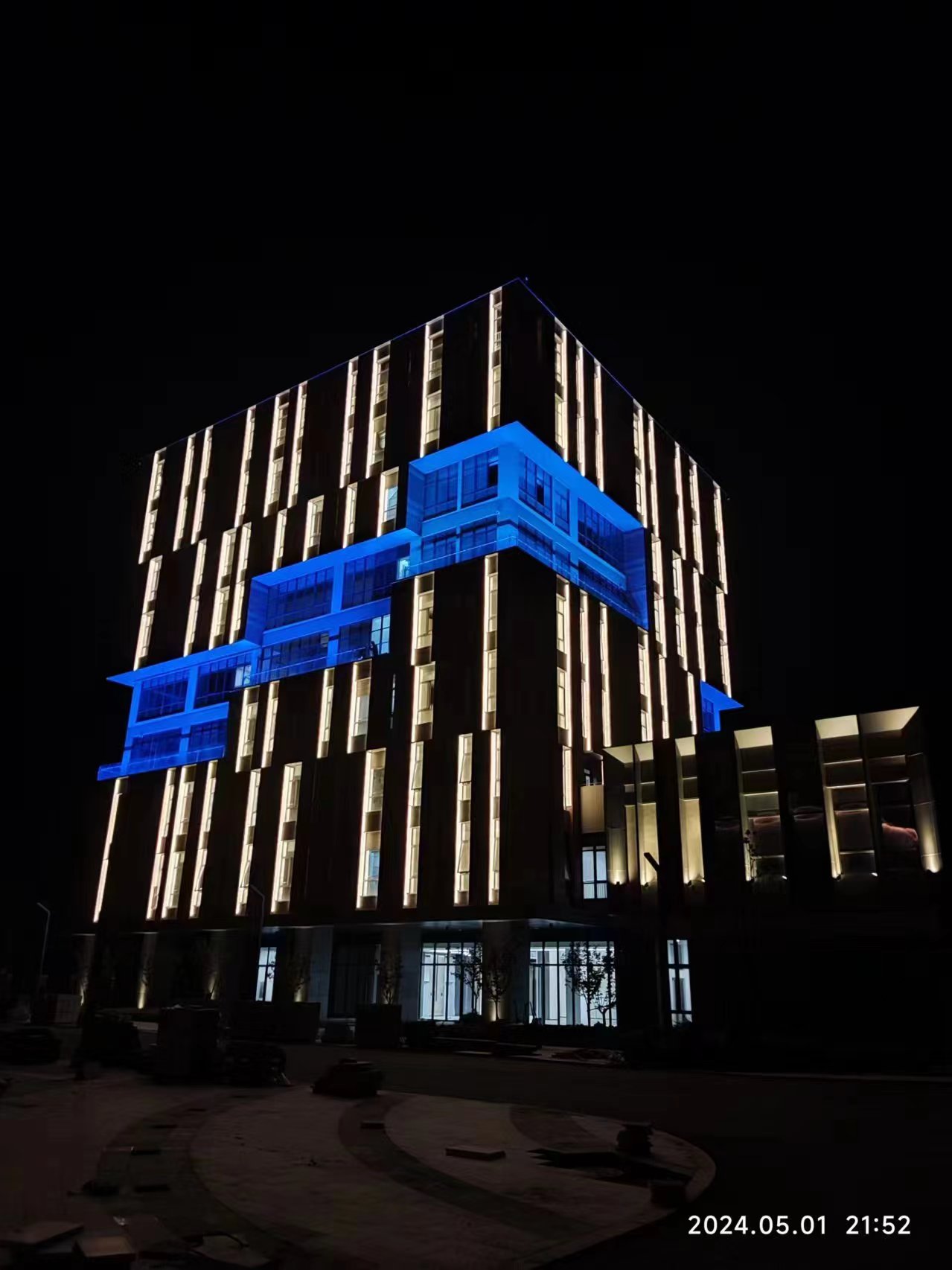
In outdoor linear lighting projects, the path from design concept to illuminated façade is often filled with hidden engineering pitfalls. The following checklist distills practical lessons from high-profile U.S. curtain-wall projects, focusing on the most sensitive physical interfaces between architecture and lighting systems.
Thermal Expansion Compensation
Aluminum linear fixtures expand differently from stainless steel or stone façade materials. In long continuous runs, expansion joints of 3–5 mm should be introduced periodically to prevent mechanical deformation or seal failure during high summer temperatures.
Optical Obstruction Analysis
During façade detailing, any architectural protrusion—sunshades, stiffeners, brackets—must be reviewed carefully. Even a 1 cm obstruction can cast a several-meter shadow when illuminated by narrow-beam grazing light.
Invisible Service Access
For recessed installations, service panels must be accessible without removing adjacent façade components. Screw positions should remain visually discreet during daytime while still allowing manual access for maintenance.
Voltage Drop Modeling
For long-distance 24V linear lighting systems, voltage drop cannot be estimated by rule of thumb. Engineers must perform full load calculations and may need heavier gauge wiring or distributed power cabinets to avoid visible brightness reduction at the end of long runs.
Water Management and Pressure Equalization
Fixture IP ratings alone are not sufficient. The installation channel must include proper drainage slopes and ventilation paths to prevent water accumulation. Connectors should include pressure equalization plugs to prevent moisture ingress caused by thermal pressure changes.
Control Domain Segmentation
Within DMX-based lighting networks, excessively long daisy-chain signal paths should be avoided. Install optical isolators approximately every 32 nodes and ensure control cables are routed away from high-voltage power lines to minimize electromagnetic interference and flicker risks.
Conclusion: Beyond Illumination—Shaping Enduring Urban Assets
As American cities continue to evolve toward greater efficiency and intelligence, the role of outdoor linear lighting has fundamentally changed. It is no longer a decorative attachment to the façade but a sophisticated system that integrates materials science, precision optics, and digital control logic into the architecture itself.
From the digitally branded skyline presence of supertall towers in Manhattan to the environmentally restrained coastal landmarks of California, successful projects consistently achieve a delicate balance between artistic ambition and engineering discipline. These examples demonstrate that innovation in architectural exterior lighting does not simply come from selecting fixtures with impressive specifications. Instead, it emerges from adopting a full lifecycle design philosophy—one that considers everything from molecular-level material stability and thermal management to remote monitoring architecture, dark-sky compliance, and disciplined pixel-based media content.
When architects, lighting designers, and developers approach outdoor linear lighting with this level of rigor—examining every lumen, every joint, and every line of control code—the result transcends illumination. Linear façade lighting becomes an extension of the building’s identity, capable of maintaining its visual clarity and design intent across decades of operation.
In a country as geographically and climatically diverse as the United States, where architecture must withstand intense sun, coastal corrosion, winter freeze cycles, and evolving regulatory frameworks, this holistic approach transforms lighting systems into something far more valuable: durable urban visual assets that shape the character of the skyline for generations.
Frequently Asked Questions
Q1: What is outdoor linear lighting in architectural design?
Outdoor linear lighting refers to LED lighting fixtures designed in continuous linear form to illuminate building facades, architectural edges, and structural elements. These fixtures are commonly used to highlight architectural lines, provide wall grazing effects, and create modern nighttime identities for buildings.
Q2: Why is linear lighting popular for building facades?
Linear lighting allows designers to emphasize architectural geometry with continuous lines of light. Compared with floodlights, linear fixtures provide better optical control, reduced light spill, and improved visual clarity for façade materials and structural rhythm.
Q3: What specifications are important for outdoor linear lighting?
Key specifications include luminous efficacy, IP66 or higher waterproof ratings, IK impact resistance, thermal management design, color consistency within 3-step MacAdam, and long-term performance verified by LM-80 and TM-21 testing.
Q4: How do smart controls improve architectural lighting systems?
Smart lighting controls enable remote monitoring, dynamic lighting scenes, and predictive maintenance. Protocols such as DMX512, Art-Net, and sACN allow large building facades to be programmed with dynamic lighting effects while maintaining reliable operation.