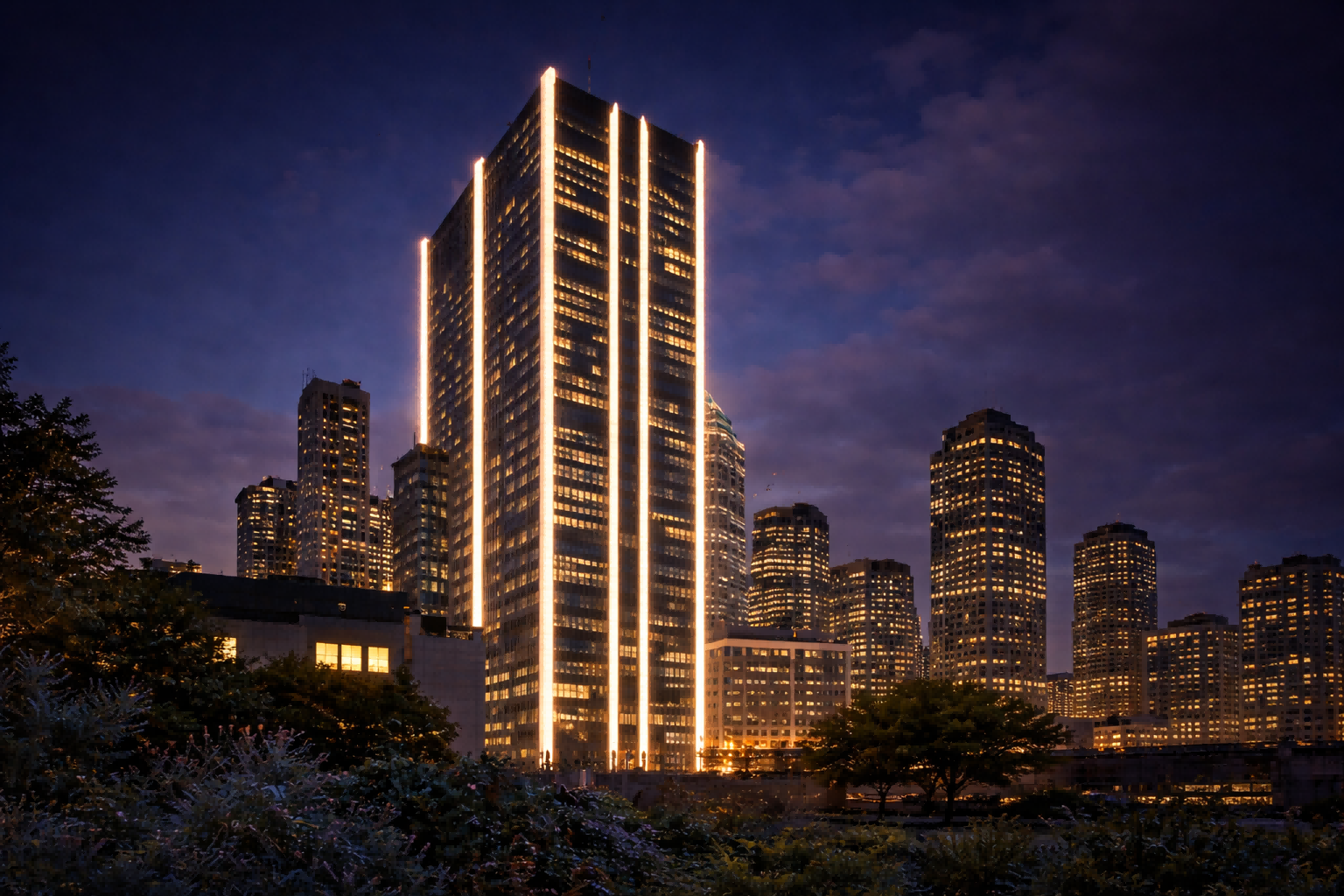
The Role of Linear LED Light in Municipal and Landscape Illumination
Introduction: LED linear lights enhance municipal and landscape spaces with durable, energy-efficient illumination lasting over five years, blending safety, aesthetics, and low maintenance.
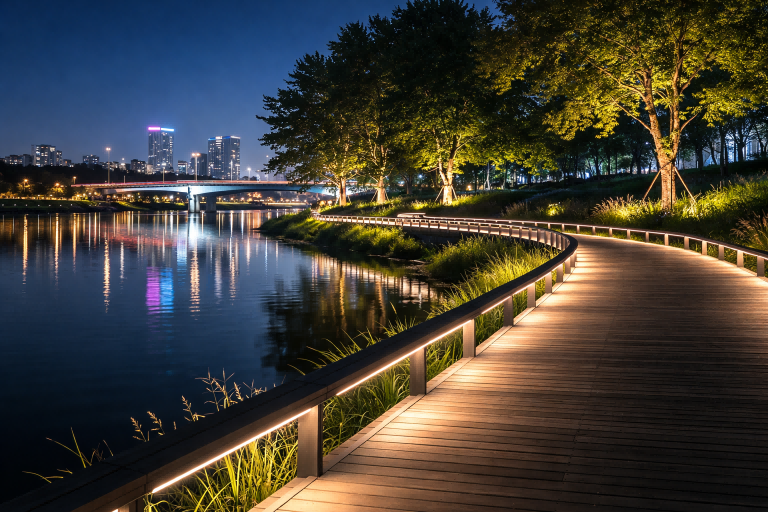
A dusky evening in a city park often reveals how thoughtfully placed lighting can transform an ordinary space into a captivating urban oasis. Walking paths softly glowing under LED linear lights, bridges gently outlined in delicate hues, and riverbanks shimmering with subtle illumination all reflect a carefully crafted ambiance. This subtle artistry comes from innovations by outdoor landscape lighting manufacturers who focus on combining functionality with aesthetic appeal. Among these, LED linear lighting manufacturers have gained recognition for creating versatile lighting fixtures that merge durability and design to enhance municipal and landscape environments gracefully.
Designing lighting layouts for parks, riverbanks, and bridges with commercial linear lighting
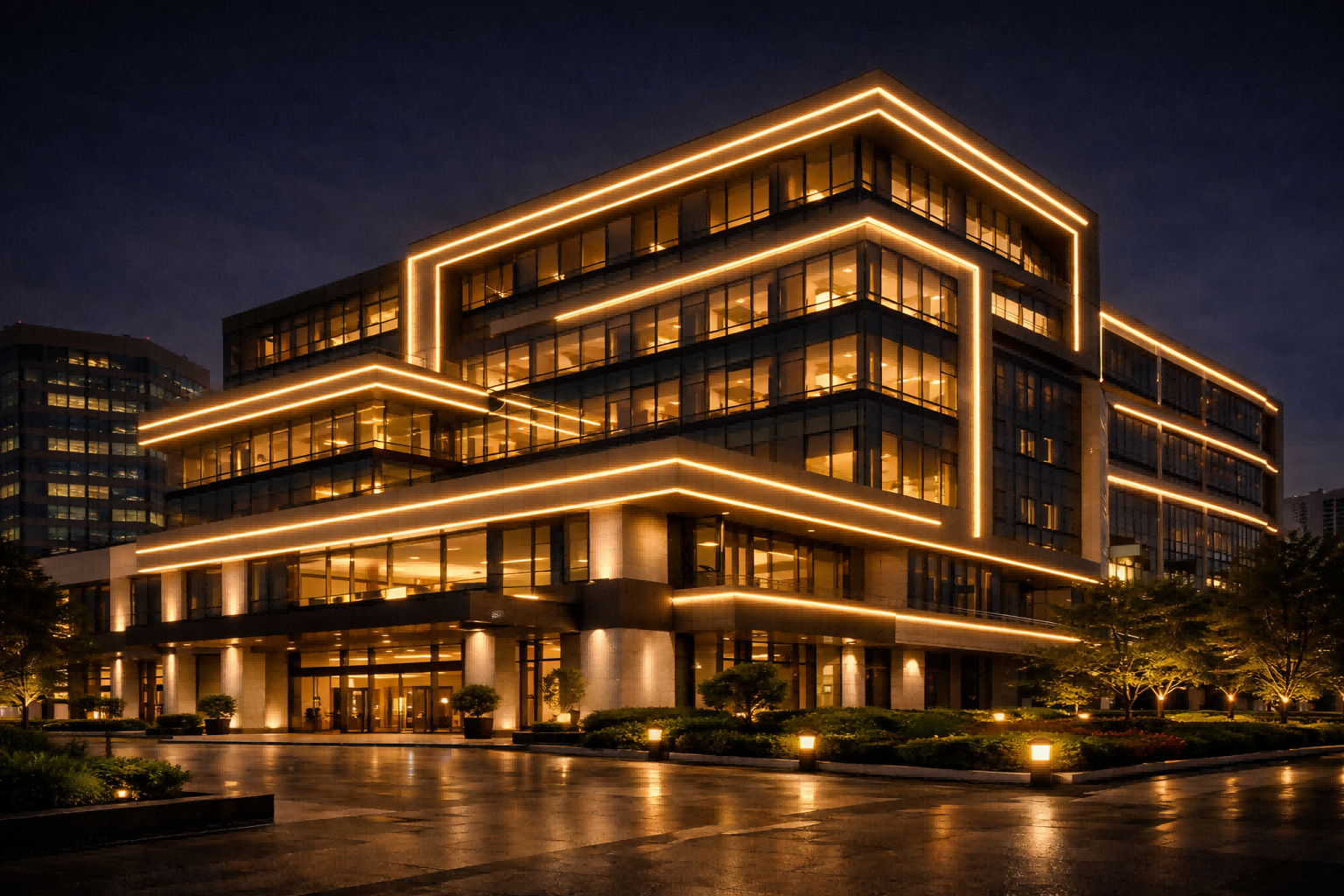
Designing outdoor public spaces calls for lighting solutions that not only highlight natural beauty but also ensure safety and accessibility after sunset. LED linear lighting manufacturers offer fixtures that are particularly suitable for this purpose due to their ability to produce consistent, energy-efficient light spread over large areas. These lights, with customizable beam angles and single-color or dynamic RGB options, facilitate creative yet practical lighting layouts. For parks and riverbanks, they provide gentle illumination that enhances pathways and water features without overwhelming the natural scene. For bridges, linear LED lights bring attention to architectural details, creating a striking nighttime silhouette. The careful design of these lighting systems ensures minimal light pollution and energy consumption, while the IP66-rated waterproof casings made by outdoor landscape lighting manufacturers guarantee durability in outdoor settings. Moreover, various mounting styles allow integration into diverse landscapes and structures, fulfilling the safety and visual appeal requirements of municipal planners and landscape architects alike.
Benefits of single-color and RGB facade lighting in public environment projects
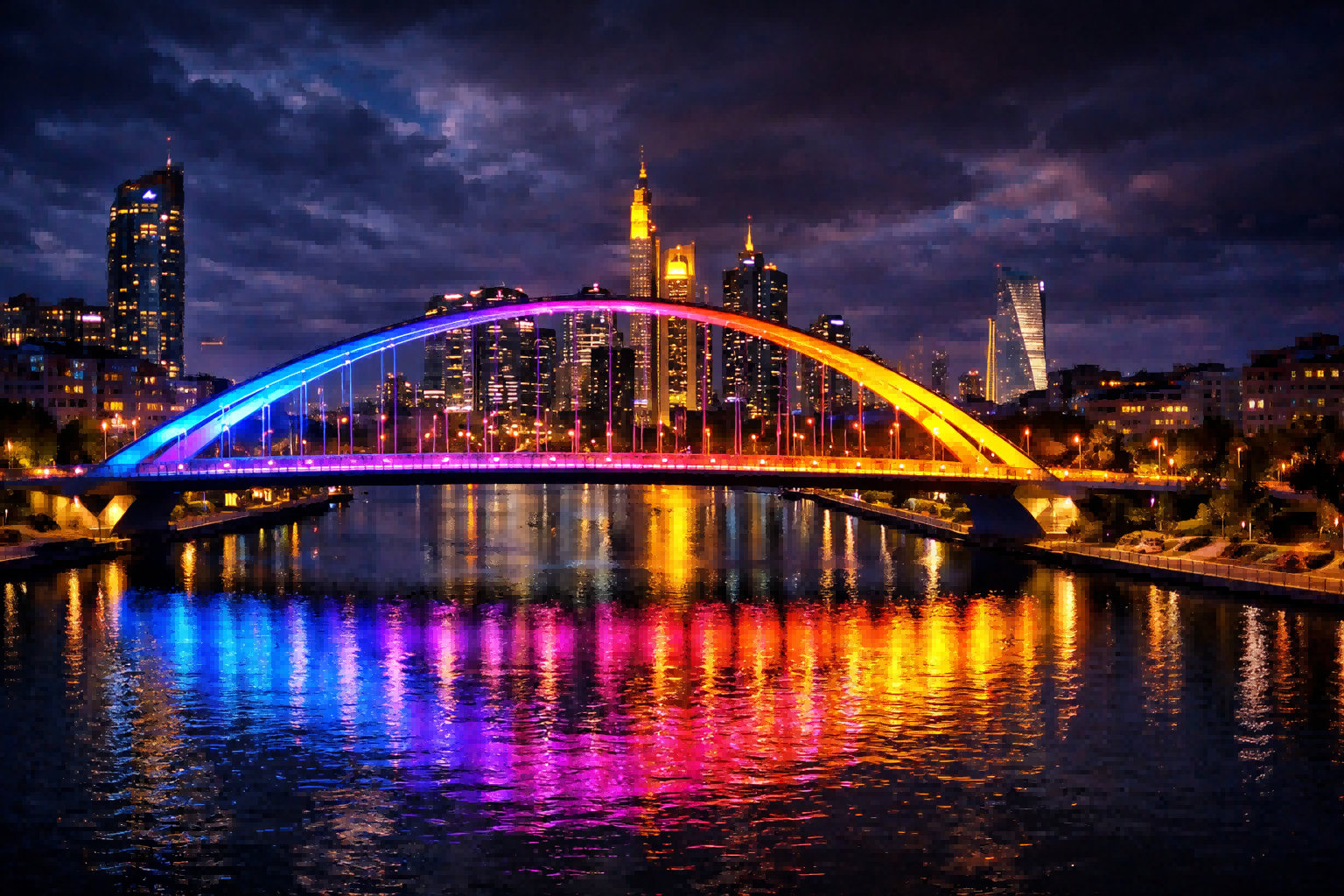
Municipal environments and landscape projects benefit greatly from the flexible lighting options presented by LED linear lighting manufacturers, particularly through single-color and RGB facade lighting. Single-color fixtures provide consistent, warm or cool tones that create a timeless and inviting atmosphere, perfect for highlighting natural stone, wood textures, or historic architectural features in open spaces. In contrast, RGB options introduce dynamic color-changing capabilities, allowing municipalities to coordinate lighting effects with seasonal events, celebrations, or cultural festivities, enriching public engagement. The precision in color rendering offered by these fixtures allows for subtle or vibrant effects without flicker or unintended color shifts, an outcome widely appreciated within public realm lighting schemes. Outdoor landscape lighting manufacturers emphasize longevity and resistance to weathering in their designs, which means lighting installations remain vivid and reliable across years, withstanding sun exposure, moisture, and urban environmental stresses. Both types of lighting advance visual interest, security, and community identity in ways that static lights cannot achieve, demonstrating versatility tailored to civic spaces.
Longevity and maintenance considerations for outdoor linear lighting fixtures
Durability remains a paramount concern when selecting lighting solutions intended for outdoor municipal and landscape use. The LED linear lighting manufacturers producing high-quality fixtures incorporate stringent quality controls and materials to extend the operational life and reduce required maintenance. Outdoor landscape lighting manufacturers often supply industrial-grade electrostatic coatings and UV-resistant covers that protect LED linear lights from corrosion, fading, and physical wear. This protective engineering ensures that lighting installations perform reliably in variable climates, from exposed riverbanks to urban parks subjected to dust and precipitation. The design also focuses on ease of access and standardized fittings that minimize downtime and simplify repair or replacement. The effective lifespan of these fixtures, often exceeding five years of outdoor use, supports budget-conscious management of public lighting projects by reducing labor and parts expenditures. Consequently, municipalities deploying solutions from trusted outdoor landscape lighting manufacturers experience fewer service interruptions and better long-term lighting consistency, all while maintaining the aesthetic integrity of their public spaces.
Conclusion
The subtle glow that friendly, reliable LED linear lighting brings to public parks, riverbanks, and bridges transforms them into welcoming environments during the evening hours. Outdoor landscape lighting manufacturers and LED linear lighting manufacturers collaborate to deliver products that balance design, longevity, and performance, contributing to safer, more attractive urban spaces. The attention to material quality, diverse lighting modes including single-color and RGB options, and the emphasis on ease of maintenance together illustrate a thoughtful approach to illuminating landscapes. As communities continue to embrace outdoor lighting solutions, these fixtures remain an adaptable and trusted choice for enhancing both ambiance and security in various public settings.
Frequently Asked Questions
Q1: What is LED linear lighting and where is it typically used?
LED linear lighting refers to elongated LED fixtures that provide continuous, uniform illumination. They are widely used in parks, riverbanks, bridges, building façades, promenades, and other municipal or landscape settings where even light distribution and architectural outlining are required.
Q2: What are the advantages of single-color vs RGB linear lighting for public spaces?
Single-color fixtures deliver stable, consistent tones (warm or cool) suited for timeless architectural highlighting and material-accurate rendering. RGB (or dynamic color) fixtures enable programmable color scenes for events, holidays, or place-branding—adding flexibility for seasonal or cultural lighting without physical retrofit. Use single-color when permanence and color fidelity matter; use RGB when you need versatility and event-driven effects.
Q3: How long do outdoor LED linear fixtures typically last?
High-quality LED fixtures commonly achieve long operational lifetimes (often expressed as 50,000+ operating hours). Depending on usage patterns and lumen-maintenance criteria (e.g., L70/L80), this can translate to many years of service—reducing replacement frequency and lifecycle cost compared with legacy sources.
Q4: Are linear LED fixtures waterproof and suitable for exposed environments?
Yes—outdoor linear fixtures intended for municipal and landscape use are typically specified with outdoor ingress protection (e.g., IP66 or similar), UV-resistant covers, and industrial coatings to resist corrosion and weathering. Verify the product datasheet for the exact IP rating and material treatments before installation.
Q5: What maintenance is required for LED linear lighting in parks and riverbanks?
Routine maintenance is minimal compared with conventional sources: periodic cleaning of lenses/covers, inspection of seals and cable entries, and scheduled checks of mounting hardware and control gear. Choose fixtures with standardized fittings and accessible service points to minimize downtime and replacement costs.
Q6: Can LED linear lighting be integrated into continuous runs or custom mounting solutions (recessed, suspended, embedded)?
Yes—linear fixtures are highly modular: manufacturers provide recessed, surface-mounted, suspended, and in-ground/inground options. They also support continuous runs using joiners and power/layout planning to achieve long, uninterrupted lines of light for façades, ceilings, and landscape edges. Confirm installation instructions and thermal management requirements for continuous configurations.