How to Choose the Right Glass for Outdoor Lighting Fixtures
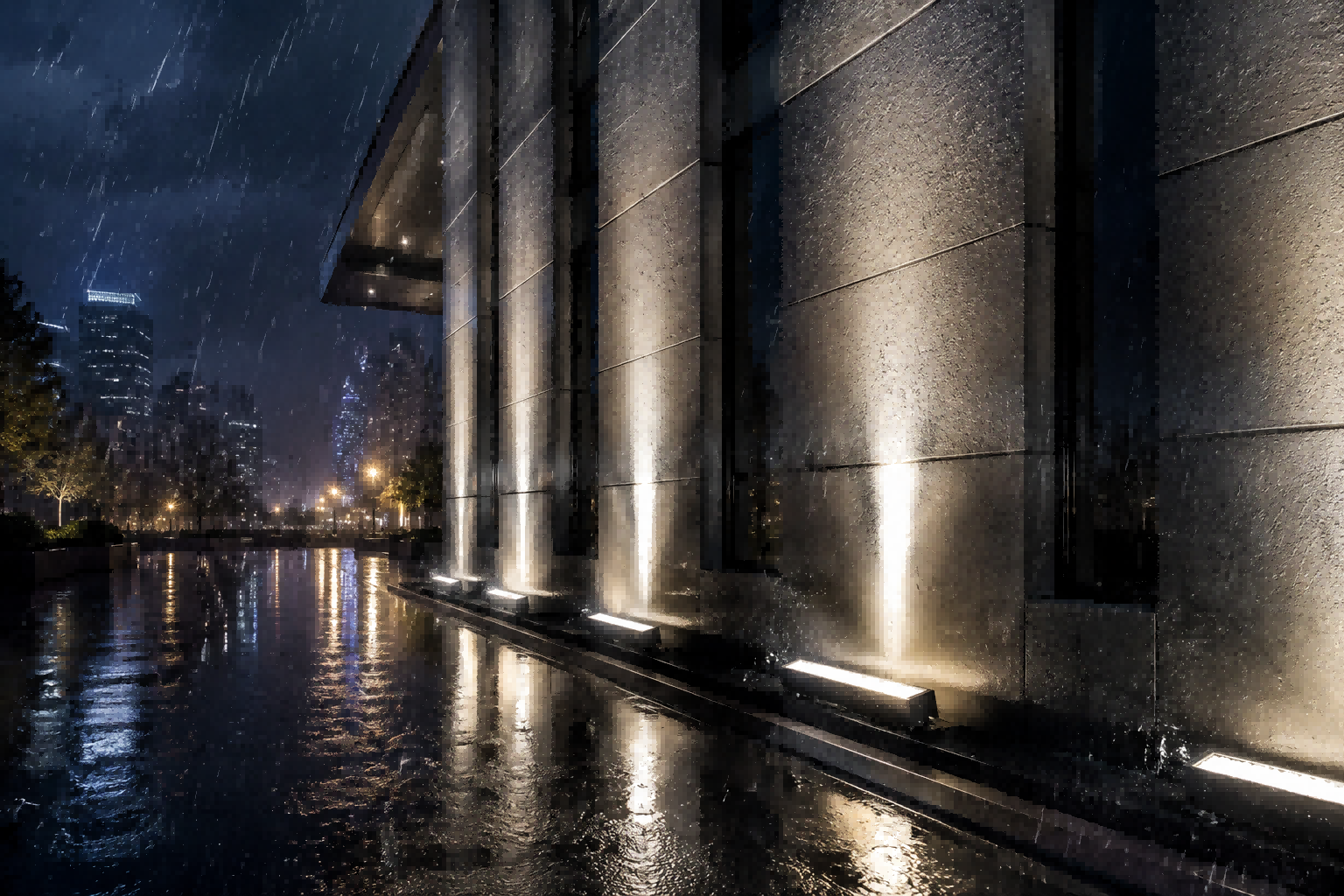
When an architectural lighting project—whether a building facade, a bridge, or a landscape—begins to show uneven light distribution, yellowed covers, or cracked lenses within months of installation, the culprit is often not the LED chip or the driver. It is the glass. For outdoor lighting fixtures, the glass is far more than a simple protective cover. It is a critical optical component that directly affects beam uniformity, light output, and long‑term reliability under harsh environmental conditions.zzz
Choosing the right glass for outdoor lighting fixtures can mean the difference between a decade of trouble‑free performance and costly, repeated replacements. In this guide, we will walk you through the key factors—from thermal shock resistance and UV stability to impact strength and optical clarity—to help you make an informed decision for your next architectural or landscape project.
Six Key Performance Features of Quality Outdoor Lighting Glass
To help you evaluate glass options easily, we have broken down the six most important performance features into individual sections. Each one explains what it means for your project and what to look for when talking to suppliers.
Thermal Shock Resistance – Handling Sudden Temperature Changes
Outdoor LED fixtures can get quite hot inside—often reaching 60–85°C during operation. When a summer thunderstorm or winter snow hits the hot glass, the surface temperature can drop by over 100°C in seconds. Cheap glass may crack under such stress. High‑quality tempered glass or special heat‑resistant glass (often called borosilicate) is designed to survive these rapid swings without breaking. Always ask your supplier whether the glass has passed industry‑standard thermal shock tests.
UV Stability – No Yellowing, Even After Years of Sun
Direct sunlight contains ultraviolet radiation that slowly degrades many materials. Low‑grade glass or acrylic covers can turn yellow or hazy within two to three years, which dims the light and changes its color appearance. Good outdoor lighting glass is formulated to resist UV damage. Look for terms like “UV‑stabilized” or “f1 rating” on product datasheets. Quality glass should maintain at least 98% of its original clarity after years of outdoor exposure.
Impact Strength – Withstanding Accidental Hits
Fixtures installed on bridge railings, parking lot poles, or low landscape walls are vulnerable to impacts from maintenance equipment, falling branches, or even vandalism. Tempered glass is about four to five times stronger than ordinary window glass. If it does break, it crumbles into small, blunt pieces rather than dangerous shards. For most public or semi‑public areas, ask for glass that meets IK08 or IK10 impact ratings—this means it can absorb the force of a hard kick or a thrown object without shattering.
Optical Clarity – Keeping Light Uniform and True to Color
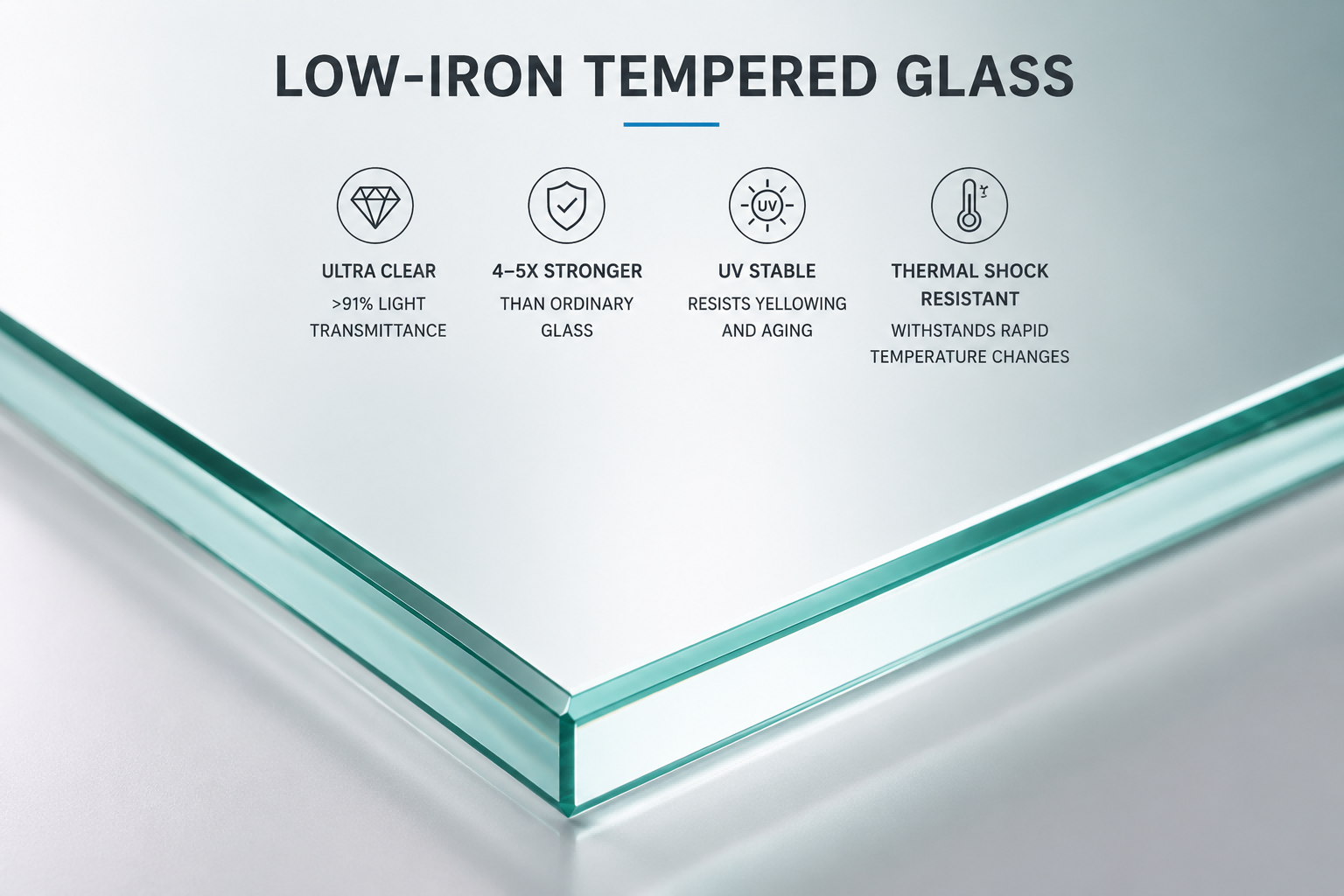
For wall washers and long linear lights, any inconsistency in the glass—such as tiny bubbles, uneven thickness, or a greenish tint—will create visible dark spots or color shifts along the facade. The best choice is low‑iron ultra‑clear glass, which removes the green tint found in standard glass. It delivers over 91% light transmittance, so almost all the LED’s brightness reaches the surface. Standard glass (often called float glass) gives only about 86% transmittance and adds a green cast that changes the intended color temperature.
Sealing Compatibility – Keeping Water Out
Glass does not work alone; it must seal tightly against the fixture’s housing. Poor sealing leads to moisture inside, which fogs the glass, corrodes electronics, and kills the LED driver. The best fixtures use a silicone gasket or a structural adhesive between the glass and the metal frame. When reviewing a product, ask if the complete assembly (glass + gasket + housing) has been tested for water ingress. For outdoor use, look for IP66 or IP67 ratings, which guarantee protection against powerful water jets or temporary immersion.
Lumen Maintenance – Consistent Brightness Over the Long Run
Light output naturally decreases over time, a phenomenon called lumen depreciation. While LED chips are the main factor, the glass also plays a role. Poor‑quality glass can develop micro‑cracks, surface etching, or yellowing that reduces brightness year after year. Premium outdoor glass loses less than 3% of its light transmission over 5,000 hours of simulated aging (equivalent to several years of real use). This ensures that your building or bridge looks as good five years after installation as it did on day one.
Main Glass Material Types – What Works Best for Outdoor Lighting
Not all glass performs the same outdoors. Over years of sun, rain, and temperature swings, the lighting industry has settled on three reliable material families for wall washers, linear lights, and flood lights: low‑iron tempered glass, borosilicate glass, and UV‑stabilized acrylic. Each has different strengths and trade‑offs.
Tempered Glass (Low‑Iron, Ultra‑Clear)
Tempered glass is the go‑to choice for most outdoor architectural lighting. It is four to five times stronger than ordinary glass and, if broken, crumbles into small blunt pieces rather than sharp shards. The best version for lighting is low‑iron ultra‑clear glass, which removes the greenish tint of standard glass and delivers over 91% light transmittance. It never yellows, resists weather and chemicals, and typically comes in 3–5mm thickness. The trade‑offs: it is heavier than acrylic and cannot be cut after tempering (order exact sizes). For about 95% of building, bridge, and landscape projects, low‑iron tempered glass is the reliable workhorse.
Borosilicate Glass (Heat‑Resistant)
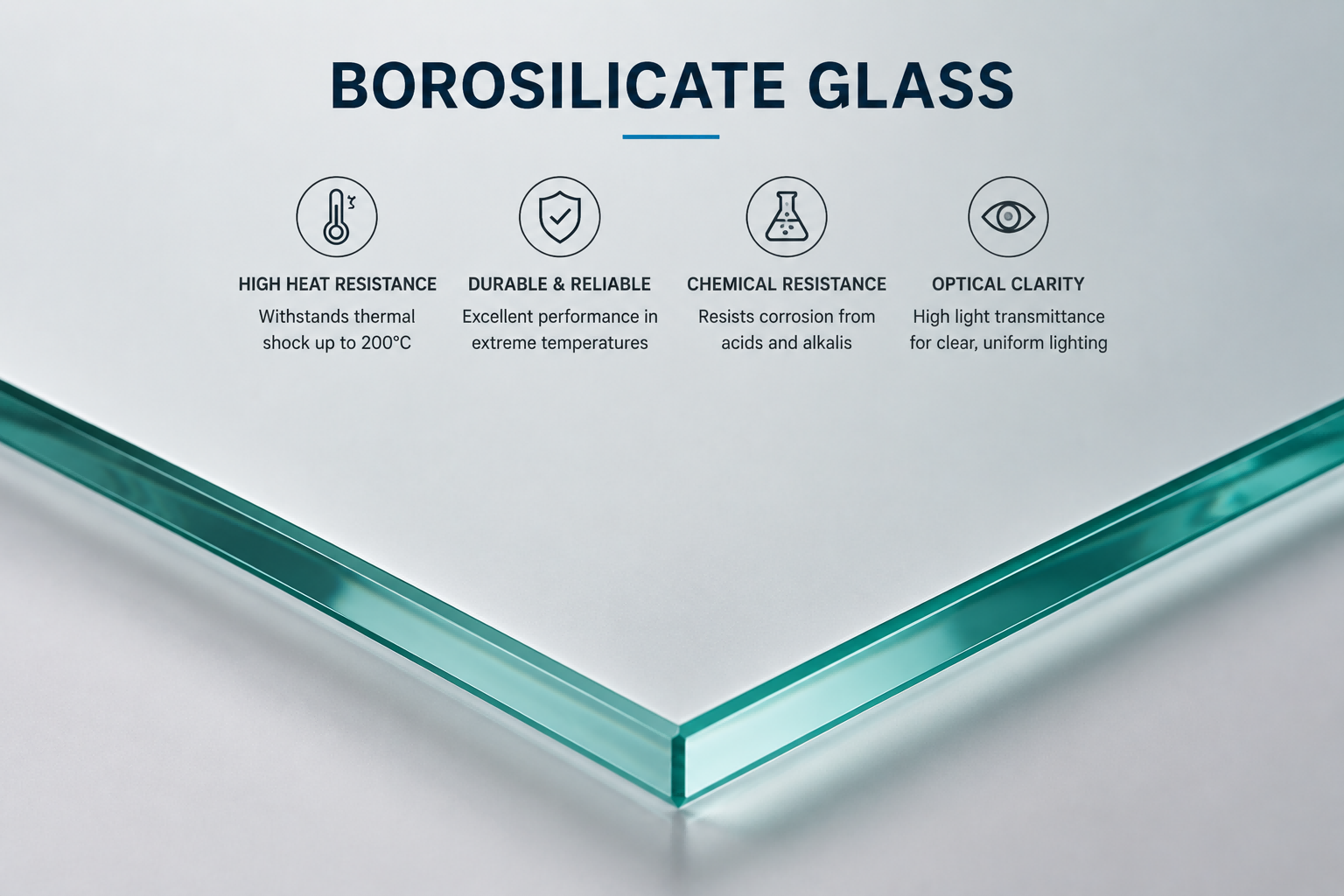
Borosilicate glass is designed for extreme conditions. Its very low thermal expansion lets it survive temperature shocks up to 200°C—perfect for high‑power flood lights over 100 watts or fixtures in deserts and northern winters (where surface temperatures swing from -30°C to over 80°C). The downside is cost: borosilicate typically runs 30–50% higher than tempered glass, and fewer suppliers offer custom shapes. Only upgrade when your project faces brutal heat or cold.
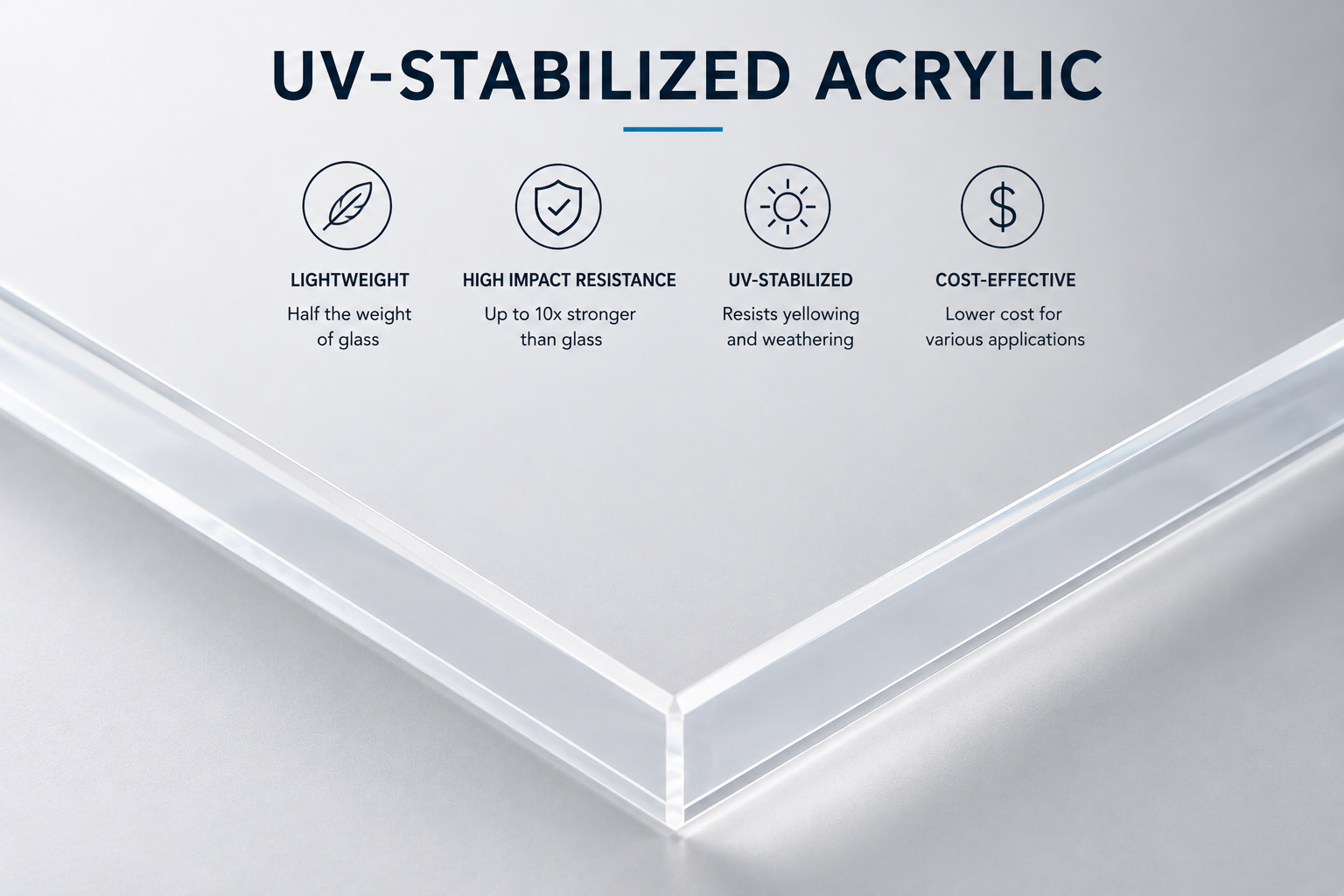
UV‑Stabilized Acrylic (Lightweight Alternative)
Acrylic is not glass, but it competes in some outdoor applications. It weighs half as much as glass, has ten times the impact resistance, and costs less. This makes it useful for very long linear lights or curved covers. However, even UV‑stabilized acrylic yellows after 3–5 years, losing 5–8% of transmittance, and scratches more easily. Use acrylic only when glass cannot meet shape or weight needs. For projects with warranties over five years, choose glass.
Choosing Glass for Your Specific Fixture Type
Different outdoor lighting fixtures put different demands on glass. A wall washer needs wide, even diffusion; a linear light demands perfect flatness over long spans; a flood light must handle high heat and possible impact. Here is how to match glass to each fixture type.
Wall washers are designed to create a smooth, continuous band of light on a building facade. The glass must eliminate the “hot spots” that come from individual LEDs. For most wall washer applications, 3–4mm low‑iron tempered glass with a frosted finish is the best choice. The frosting diffuses the light, blending the LED sources into a uniform wash without visible dots. If your goal is to project light over a longer distance (for example, illuminating a tall building from ground level), a clear finish may be better, but then you will likely need an external optical lens to control the beam. What you should never use is regular float glass—it is too weak and prone to breakage—or non‑UV‑stabilized acrylic, which will yellow within two years and ruin the color uniformity of your facade.
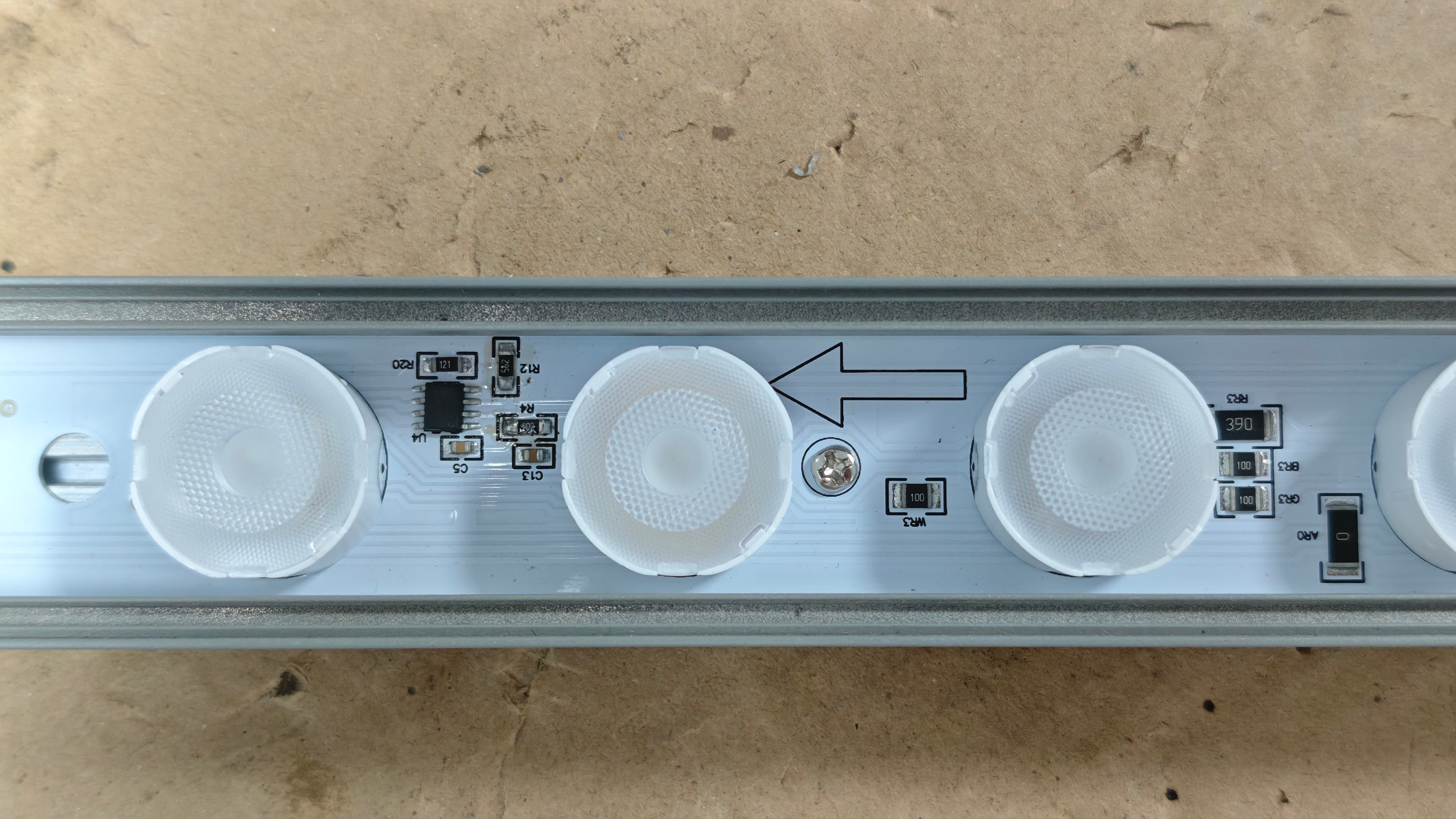
Linear lights often run one to two meters long, mounted along bridge handrails, building edges, or landscape steps. The glass here faces two unique challenges: it must remain perfectly flat to avoid distorting the light beam, and it must resist bowing under wind or its own weight. 4–5mm low‑iron tempered glass provides the necessary rigidity. When ordering, always specify a flatness tolerance of ≤0.5mm per meter; anything higher will create noticeable dark or bright bands along the length. Edges should be precision ground and chamfered to prevent chipping during installation. For curved installations (such as a circular building facade), glass is not flexible—so you will need to consider UV‑stabilized polycarbonate. However, expect lower light transmission (about 88%) and a shorter service life. For straight linear lights, stick with tempered glass.
Outdoor Flood Lights / Projectors
Flood lights are all about raw output and durability. They often use high‑power LEDs that generate significant heat, and they are frequently mounted in exposed locations where impacts and weather extremes are common. The standard recommendation is 4–5mm clear low‑iron tempered glass, which maximizes light transmission (over 91%) and provides IK08–IK10 impact resistance. For very powerful units (over 200 watts) or for fixtures installed in extreme climates (desert heat or arctic cold), upgrade to borosilicate glass—it handles thermal shocks up to 200°C without cracking. Regardless of the glass type, ensure the fixture achieves an IP66 or IP67 seal using a combination of a silicone gasket and structural adhesive. This prevents moisture from entering the housing, which would quickly damage the LED driver and reflector.
Glass Maintenance & Special Coatings
Even the best glass needs occasional cleaning, and special coatings can reduce that effort significantly. Two main types of coatings are used on outdoor lighting glass: hydrophilic (self‑cleaning) and hydrophobic (water‑repellent). Each works differently and suits different environments.
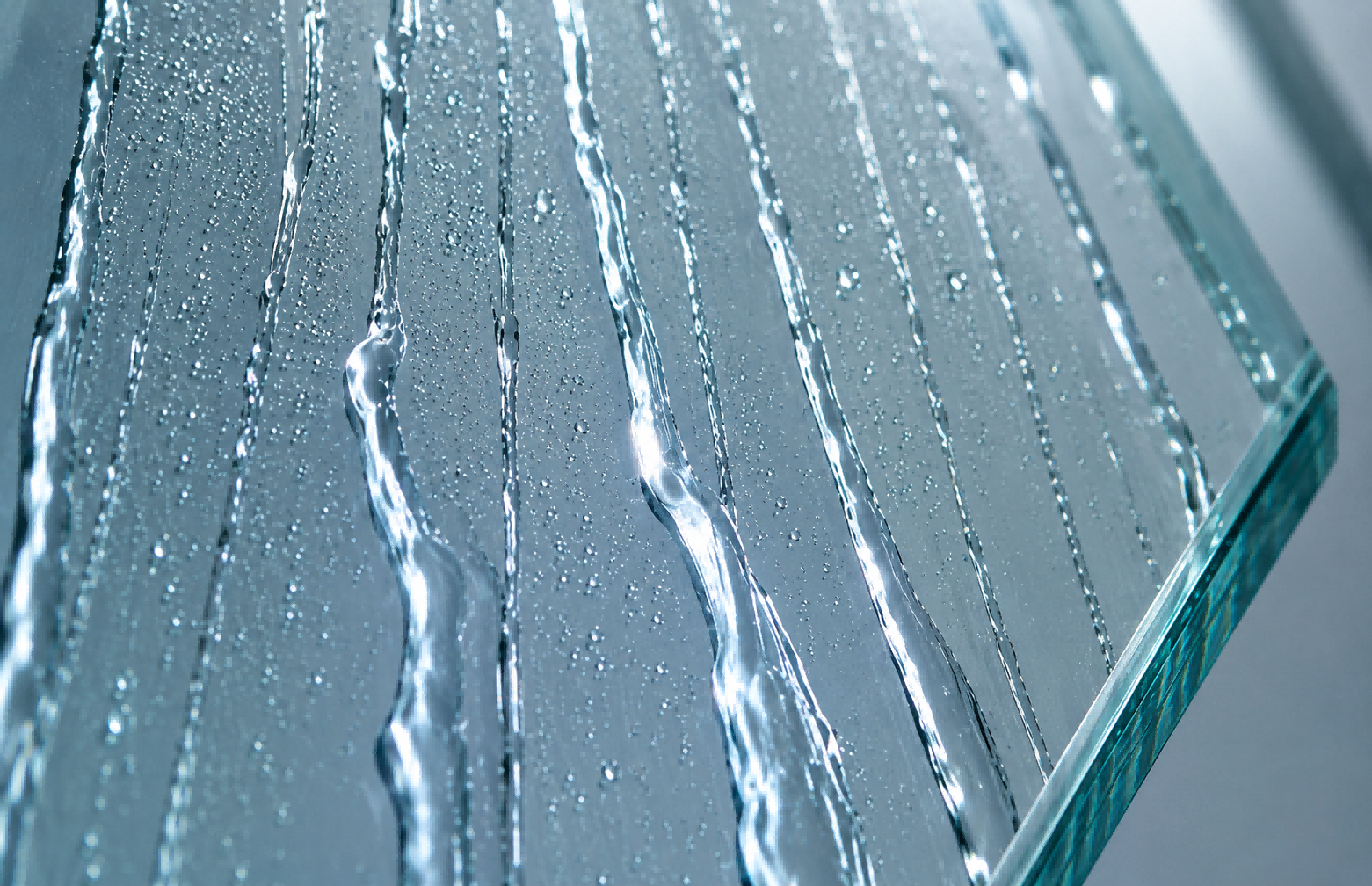
Self‑cleaning (hydrophilic) coatings cause water to spread into a thin, even sheet rather than forming droplets. As the sheet flows down the glass, it carries dust and dirt away. This is especially valuable for hard‑to‑reach fixtures on high building facades or bridge undersides, where manual cleaning is costly or dangerous. The coating typically lasts three to five years before needing reapplication.
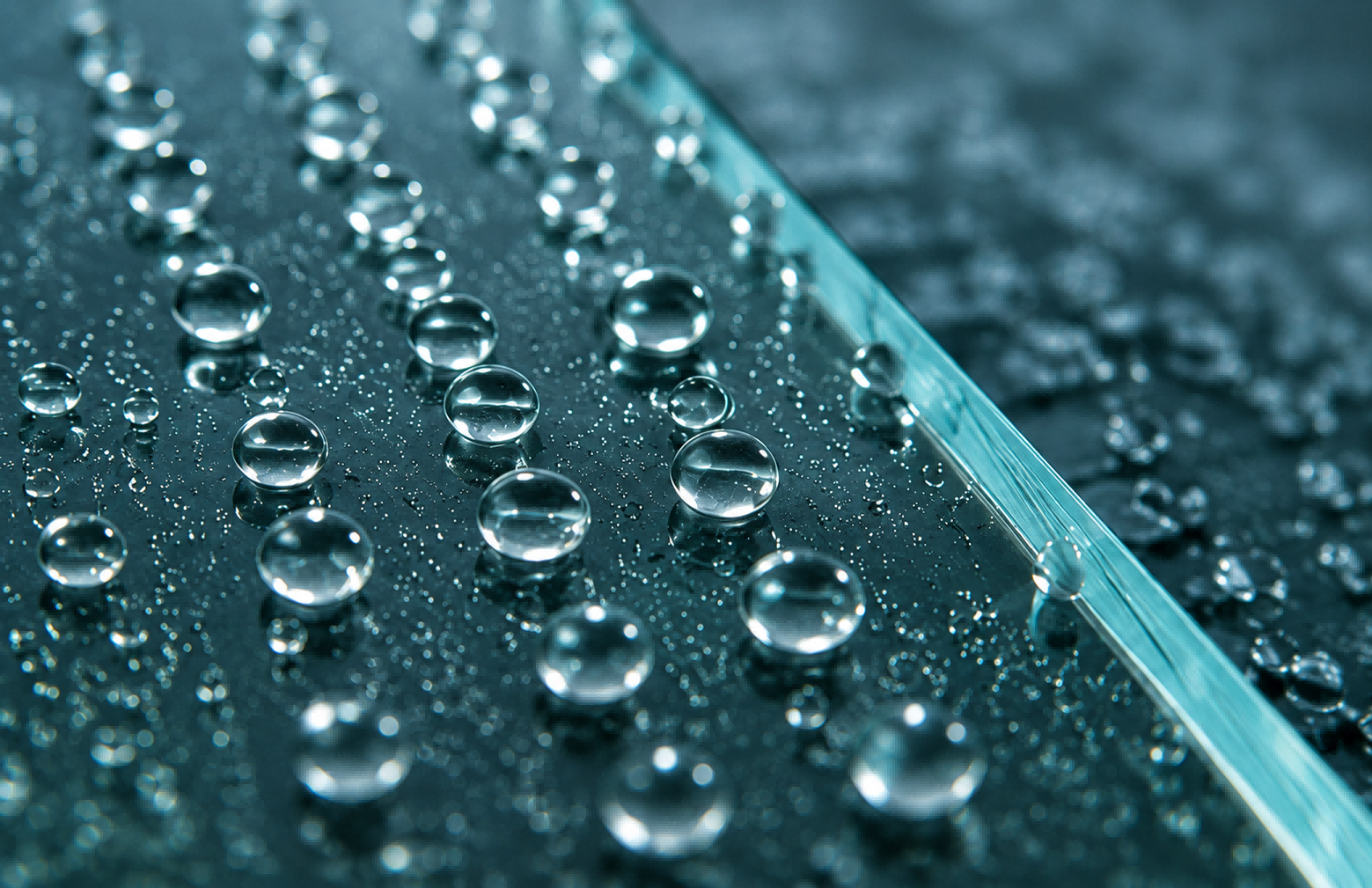
Hydrophobic (water‑repellent) coatings make water bead up and roll off, taking dirt with them. The effectiveness is measured by the contact angle: a hydrophobic surface has an angle greater than 90°, and premium coatings exceed 110°. These coatings are useful for landscape lighting near soil or sprinklers, where dirt splashes frequently. They reduce the need for manual cleaning but do not eliminate it entirely.
Before ordering coated glass, ask your supplier three questions: Does the glass come with a factory‑applied coating? How long will the coating last under direct UV exposure? And can the coating be reapplied in the field, or must the glass be replaced? A word of caution: for coastal or very dusty environments, a simple uncoated low‑iron glass with a smooth surface is often more durable. Coatings can degrade unevenly over time, leading to a patchy appearance. We recommend testing a sample coated panel in your specific climate before committing to a large order.
Conclusion
Glass is not just a lid—it actively shapes how your lighting performs, how long it lasts, and how professional the final installation looks. For wall washers, linear lights, and flood lights, low‑iron tempered glass is the safest, most reliable choice for most projects. Upgrade to borosilicate glass only when extreme temperatures demand it, and consider acrylic only when weight or curvature leave you no other option.
Use the purchasing checklist above, and don’t hesitate to ask your supplier for test reports and sample panels. A little extra attention to the glass today will save you from faded, cracked, or uneven lighting tomorrow—and keep your architectural or landscape project looking brilliant for years to come.
FAQs
Q1: Can I replace cracked or broken glass myself?
Yes, but you must order the exact same type and size of tempered glass from the fixture manufacturer. Do not attempt to cut tempered glass to size—it will shatter. Also, replace the silicone gasket at the same time to maintain the IP66 or IP67 seal. If the fixture is under warranty, check whether glass damage is covered; many warranties exclude it.
Q2: How often do I need to clean coated outdoor lighting glass?
Even with self‑cleaning or water‑repellent coatings, expect to clean the glass every 6–12 months in normal environments. In dusty or coastal areas, more frequent cleaning may be needed. Use mild soap, water, and a soft cloth or sponge. Avoid abrasive cleaners, pressure washers, or scraping tools—they can damage the coating.
Q3: Will frosted glass make my wall washer too dim?
Frosted glass typically reduces light transmission from about 91% (clear low‑iron glass) to 75–82%. That loss is acceptable for most facade lighting because the gain in uniformity is significant. If you need higher brightness, increase LED power by 10–20% or choose a higher efficacy chip. For long‑throw applications (e.g., tall buildings), use clear glass with an external lens instead.
Q4: How can I tell if a supplier is providing genuine low‑iron glass?
Ask for an optical report showing the transmittance curve. Genuine low‑iron glass will have a neutral color when viewed from the edge (no green tint) and transmittance ≥91% at 3mm thickness. You can also place a sample over a white paper—standard float glass will show a slight green cast; low‑iron glass will not.
Q5: Is borosilicate glass worth the extra cost for my project?
Only if your fixtures are exposed to extreme thermal conditions: high‑power flood lights over 100 watts, desert climates with daytime surface temperatures above 80°C, or northern winters below -30°C. For typical building facades and landscape lighting, low‑iron tempered glass is perfectly adequate and much more cost‑effective.