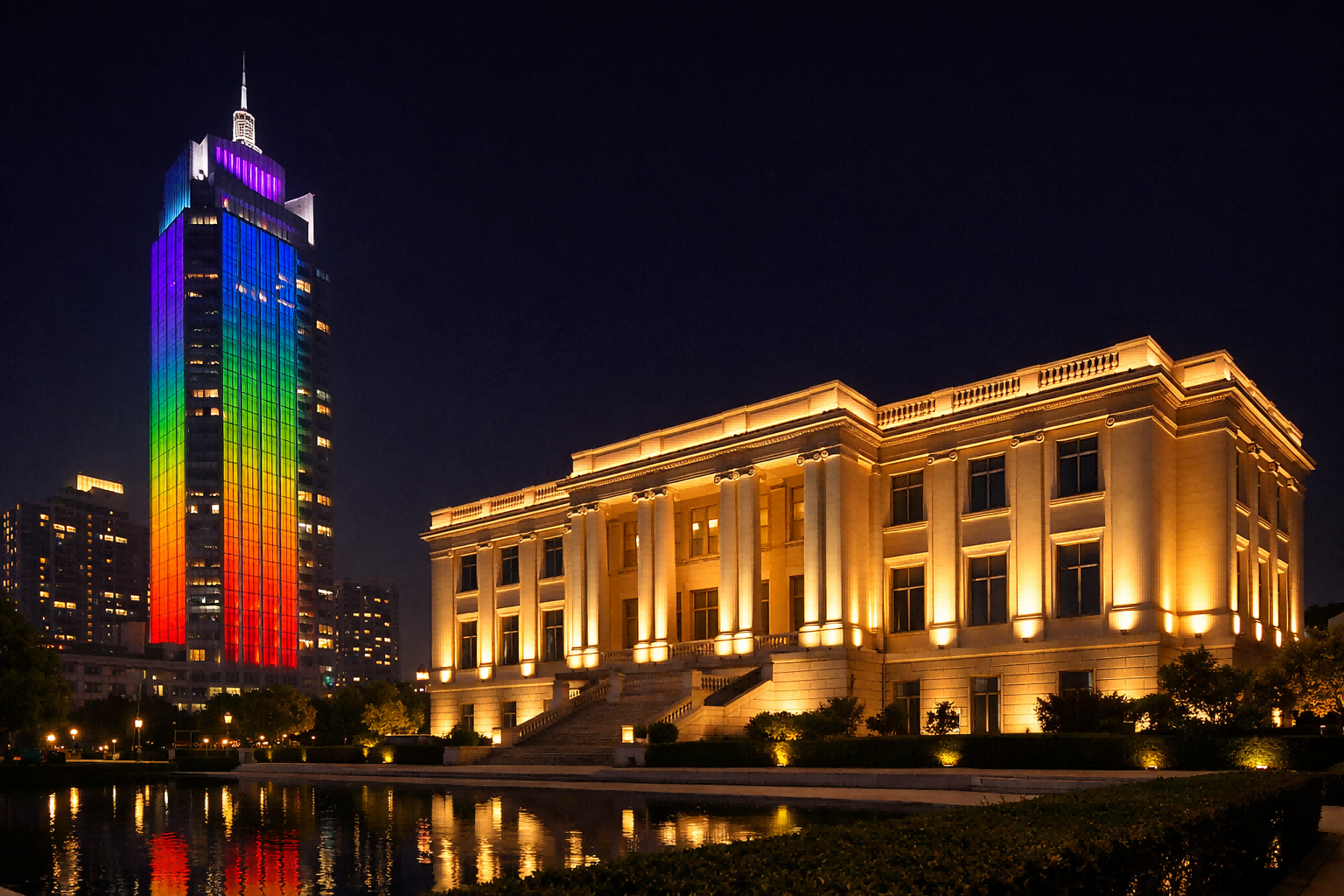
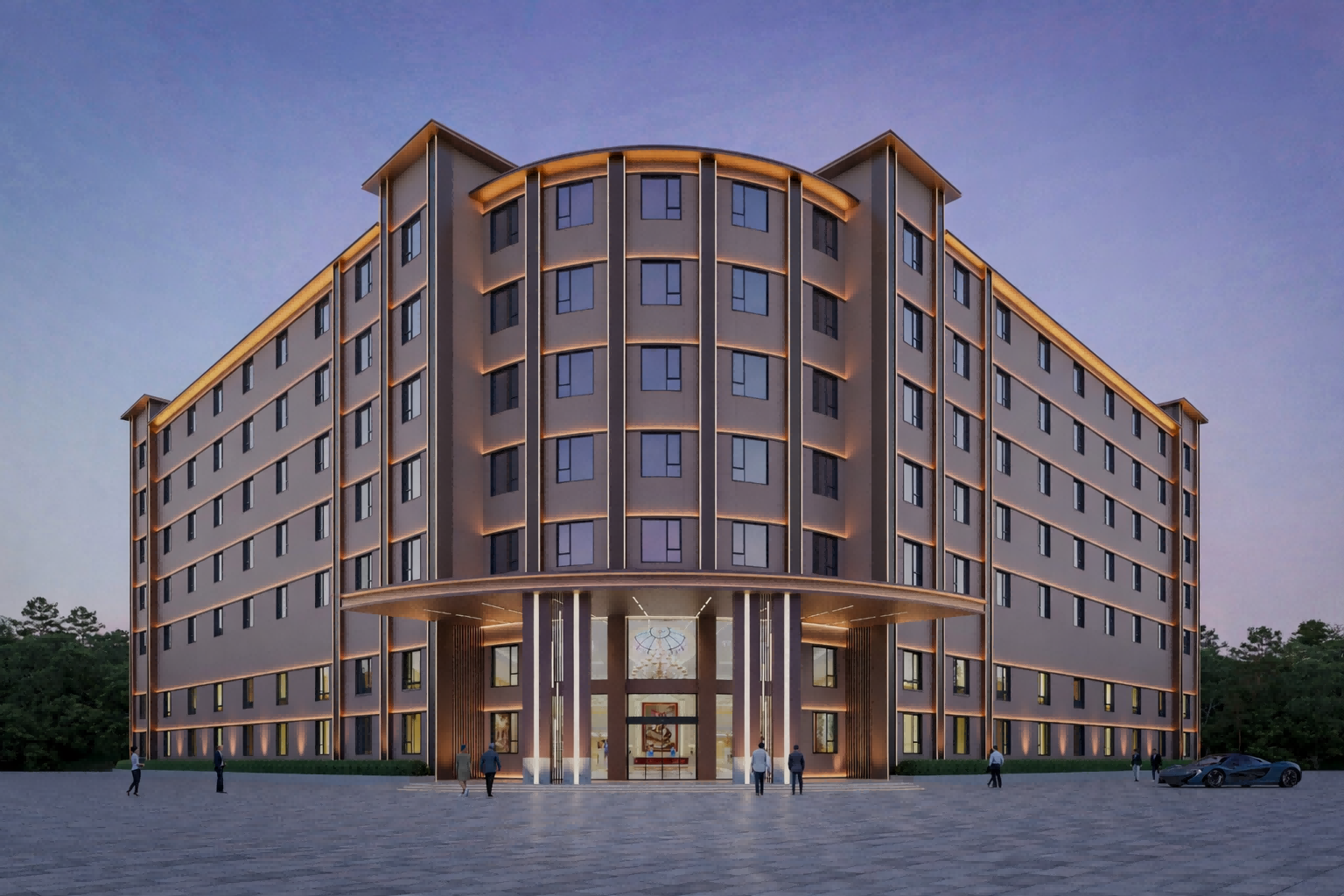
LED Wall Washer Lighting Solutions for Architectural Facade Enhancement
LED wall washer lighting provides uniform, durable, and highly configurable illumination for architectural façades. When specified with measurable performance criteria and installed with design intent, modern wall washers deliver a seamless wash of light that enhances texture and form while maintaining predictable long-term behaviour in outdoor environments.
With countless LED lighting options flooding the market, selecting the right technology among myriad LED options requires balancing subtlety and impact. Buildings with large exterior surfaces are especially sensitive to uneven illumination: hotspots, color shifts and banding quickly undermine architectural intent. Wall washer systems, when chosen and configured correctly, offer a pragmatic solution by producing broad, even fields of light that reveal materiality without overpowering the façade. Reputable suppliers contribute value beyond product delivery by supplying test data, photometric files and installation guidance to align lighting outcomes with design objectives.
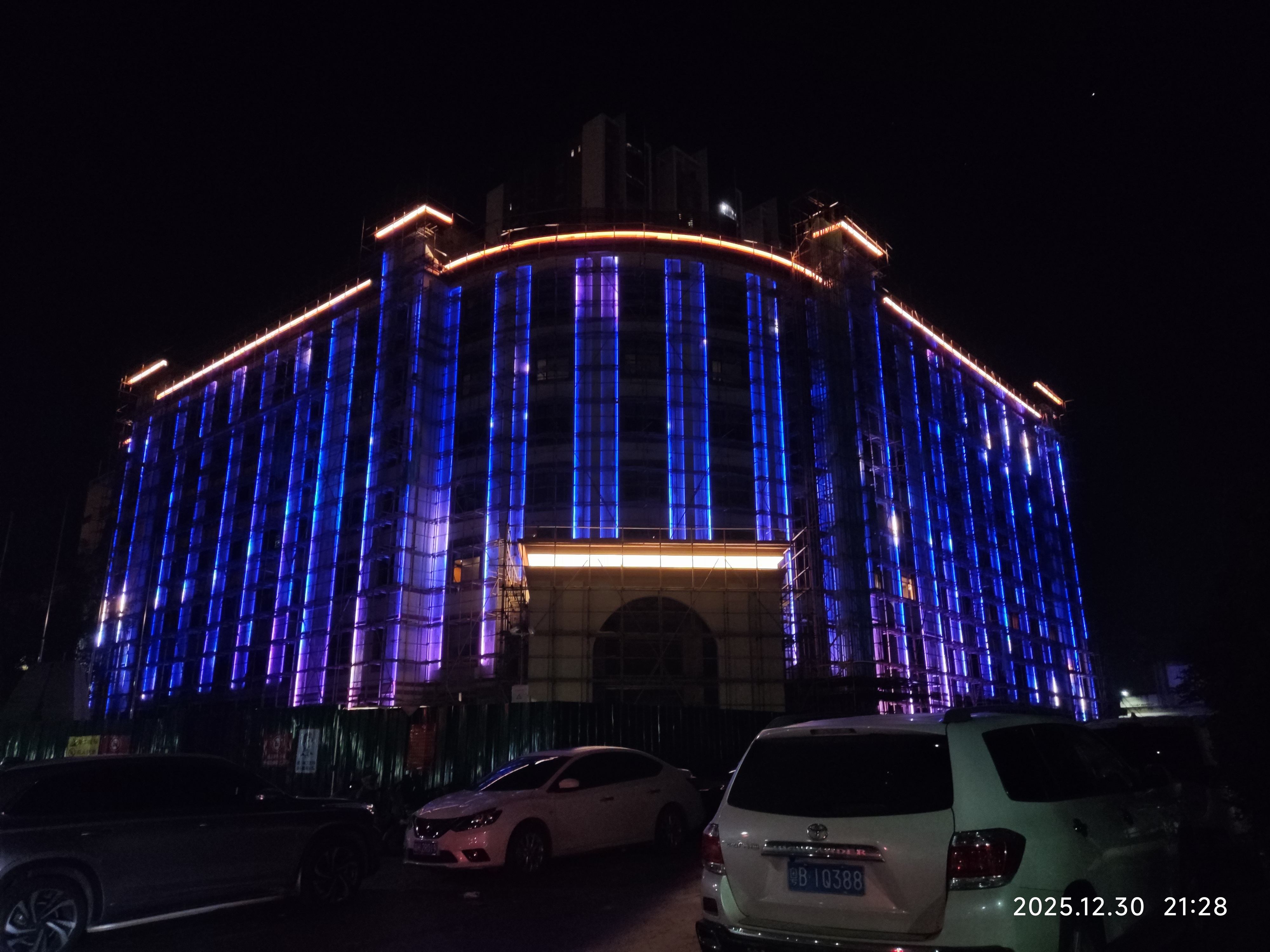
Key Characteristics of LED Wall Washer Lights Outdoor for Building Facades
Outdoor LED wall washer lighting is valued in façade applications primarily for its ability to deliver even illumination across broad surfaces. From an engineering standpoint, uniformity is not an aesthetic luxury—it is a functional requirement. Uneven output, striping, or hotspots become immediately visible on large façades, especially on stone, concrete, or textured cladding. For this reason, wall washers typically employ dedicated optical lenses designed to maintain consistent beam distribution and high light transmittance, ensuring material colors and surface details remain legible at night.
Mechanical construction is equally critical. In long-term outdoor operation, housing materials directly influence thermal stability and service life. Well-designed wall washers use 6063 aluminum alloy housings not simply for strength, but because efficient heat dissipation reduces LED junction temperature and slows lumen depreciation. In practice, fixtures with marginal thermal design may meet initial output targets but show noticeable brightness drop or color shift after one or two years of operation.
Environmental protection further defines real-world reliability. IP66 or IP67 ingress protection, combined with anti-corrosion surface treatments, allows luminaires to withstand rain, humidity, dust, and temperature fluctuations without internal degradation. Engineers also consider beam angle availability and power scalability: narrow optics are useful for vertical accents or close mounting distances, while wider distributions are more forgiving on tall façades where installation tolerances vary. Compatibility with DMX512 control systems enables precise dimming and color management, but only when drivers are engineered for flicker-free operation across the full dimming range. Together, these characteristics determine whether a wall washer performs consistently beyond the initial commissioning phase.
Customization Options to Match Specific Architectural Facade Lighting Solutions
No two façades present the same lighting challenge. Differences in scale, surface material, mounting height, and surrounding environment mean that standardized products often require engineering adaptation. In practice, customization is less about visual novelty and more about risk control. Adjustable wattage, selectable beam angles, and varied fixture lengths allow engineers to balance brightness, spacing, and power density according to real site constraints rather than theoretical layouts.
Color configuration is another area where engineering judgment matters. While RGB and RGBW systems enable dynamic visual effects, they also introduce higher system complexity and greater demands on control stability. For projects emphasizing architectural clarity and long-term consistency, many engineers still favor well-specified static white solutions at 3000 K or 4000 K, reserving color-changing systems for landmark or event-driven façades. The choice is rarely about capability alone, but about operational simplicity and maintenance expectations over time.
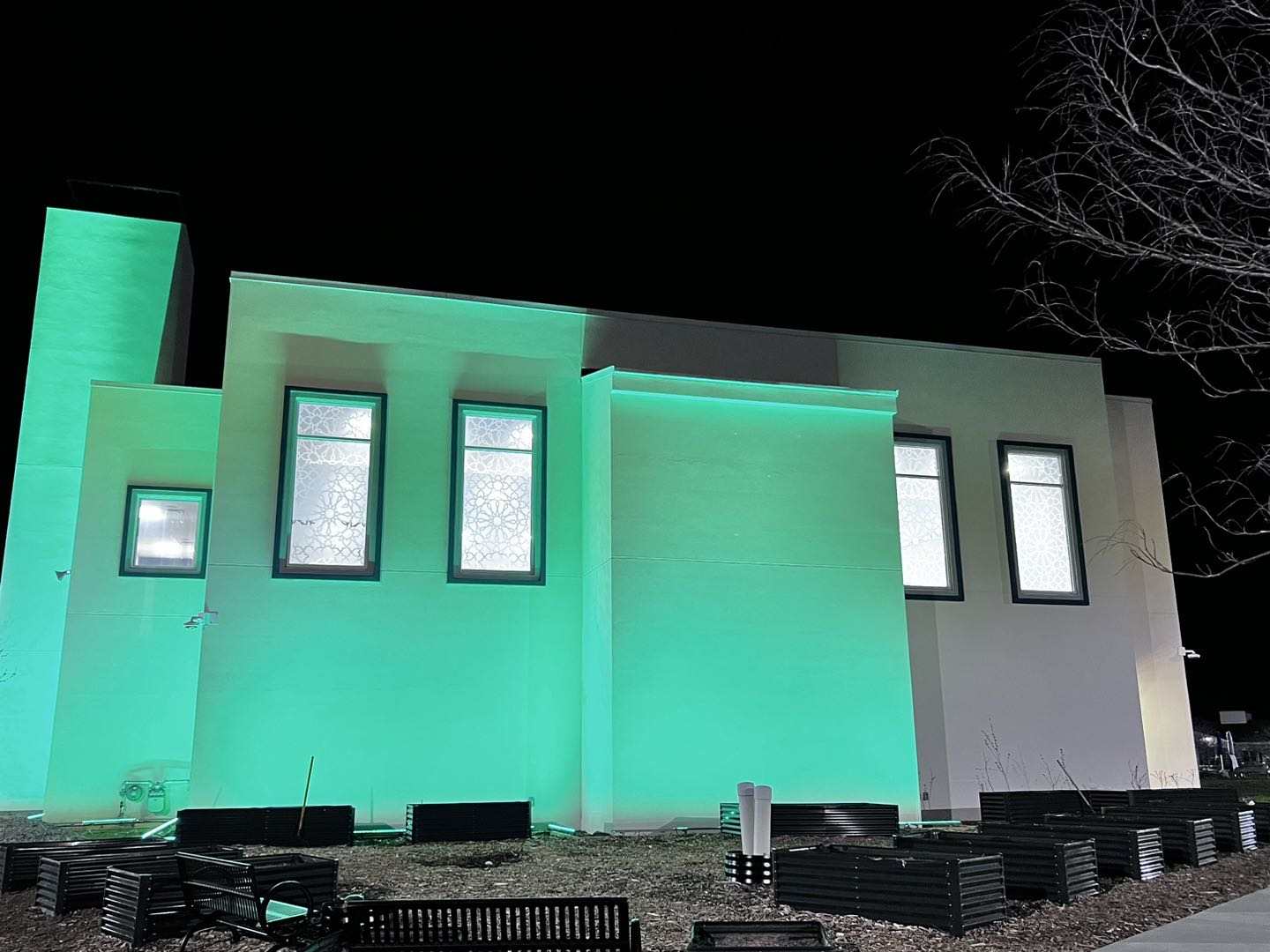
Housing finishes, mounting brackets, and installation methods also require coordination with architectural details. Poorly integrated fixtures can compromise façade appearance or complicate future maintenance. Experienced led wall washer suppliers support customization not as a catalog option, but as a collaborative process—aligning optical performance, mechanical integration, and regulatory compliance with the project’s actual construction conditions.
Durability and Long-Term Performance in Outdoor Wall Washer Lighting
From an engineering viewpoint, durability is the foundation of any façade lighting strategy. Outdoor luminaires operate under continuous exposure to temperature variation, moisture, airborne pollutants, and occasional mechanical impact. Wall washer designs that prioritize only initial brightness often fail prematurely when thermal management or sealing details are insufficient.
Reliable wall washer systems use corrosion-resistant aluminum housings, reinforced sealing structures, and stable powder coating finishes to preserve both function and appearance over time. Heat management plays a decisive role: optimized heat sinks and conductive pathways reduce thermal stress on LED chips and drivers, extending effective service life. In many real installations, inadequate thermal design manifests not as immediate failure, but as gradual lumen loss or driver instability within a few years.
Ingress protection ratings of IP66 or IP67 reduce the risk of moisture ingress during heavy rain or in humid environments, while high-transmittance optical lenses are selected to resist yellowing and clouding. Reputable suppliers validate these designs through environmental and aging tests, recognizing that façade lighting failures are highly visible and costly to correct. For public buildings and commercial landmarks, long-term stability often outweighs marginal gains in efficiency or upfront cost savings.
Practical Design Decisions Transform Product Capability into Consistent Visual Results
Even high-performance wall washer fixtures will underdeliver if practical design decisions are overlooked. In façade projects, beam angle selection and fixture spacing must be coordinated with mounting distance, surface texture, and installation tolerance. Narrow optics combined with excessive spacing may look efficient on drawings, but often result in visible streaking once installed. Engineers frequently choose wider beam distributions and closer spacing to achieve smoother visual transitions, accepting a higher fixture count in exchange for predictable results.
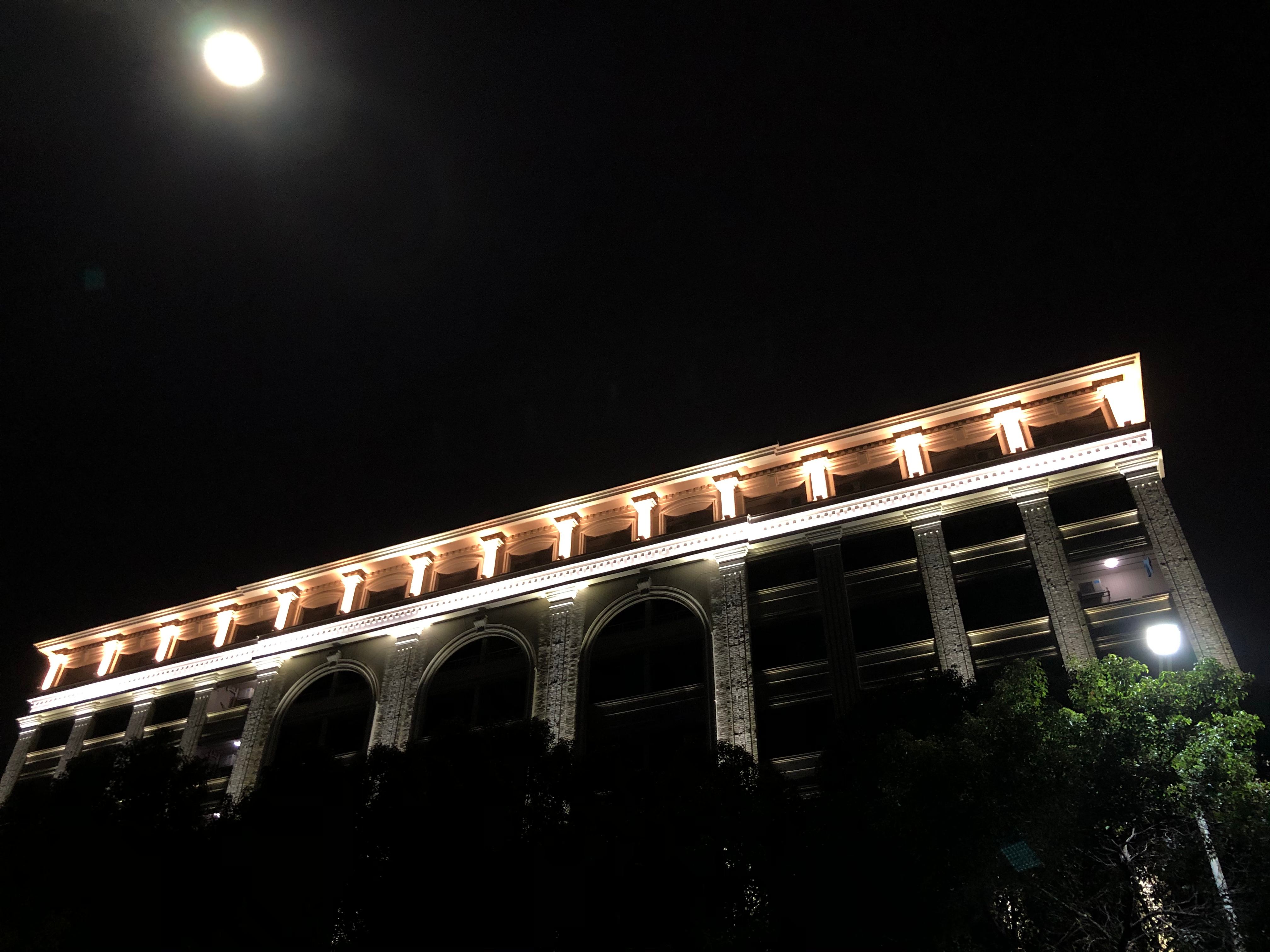
On-site aiming and commissioning are equally critical. Small adjustments in tilt angle or mounting height can significantly affect uniformity, particularly on tall or irregular façades. Proper commissioning includes verification of driver behavior, surge protection, control addressing, and dimming performance to ensure that dynamic scenes remain stable and flicker-free. Final nighttime inspections, supported by lux measurements and visual evaluation, confirm that calculated designs align with real conditions. Through this process, wall washer systems move from theoretical capability to dependable architectural expression.
Conclusion
From an engineering perspective, LED wall washer lighting succeeds not because of any single specification, but because multiple design decisions align with real-world conditions. Optical control, thermal management, environmental protection, and thoughtful customization together determine whether a façade lighting system performs reliably over time. When sourced from a dependable led wall washer supplier and applied with engineering discipline, wall washer systems reduce operational uncertainty and preserve architectural intent. The result is not merely illuminated façades, but lighting solutions that remain consistent, maintainable, and visually coherent throughout their service life.
Frequently Asked Questions
Q1: What is an LED wall washer?
An LED wall washer is a linear or elongated luminaire designed to produce a wide, even field of light across building façades. It uses dedicated optics to emphasize texture, form, and material while minimizing visible hot spots.
Q2: What are the most important specifications when selecting a wall washer?
Key specs: beam/optics (beam angle & distribution), correlated color temperature (CCT), color rendering index (CRI), luminous flux (lumens), lumen maintenance (e.g., L70), driver/dimming compatibility, ingress protection (IP rating), and thermal construction (housing material and heat path).
Q3: Why is optical design critical for façade results?
Proper optics prevent striping, banding, and hotspots. Narrow optics suit close mounts or vertical accents; wider distributions reduce visual artifacts on tall façades or where mounting tolerances are larger. Optics + spacing determine perceived uniformity.
Q4: How does thermal management affect lifetime and color stability?
Poor thermal design raises LED junction temperature, accelerating lumen depreciation and color shift. Robust heat sinks, conductive pathways, and 6063 aluminum housings reduce junction temperature and prolong effective service life.
Q5: Why does IP rating matter, and what’s the difference between IP66 and IP67?
IP ratings indicate resistance to dust and water. IP66 resists powerful water jets and is suitable for most outdoor sites; IP67 adds short-term immersion protection and is appropriate where fixtures may be submerged or exposed to standing water.
Q6: When should I choose RGB/RGBW dynamic systems versus static white?
Dynamic color systems enable creative effects for landmarks or events but add control complexity and maintenance. Static white (commonly 3000K or 4000K) is often preferred for architectural clarity and long-term operational simplicity.