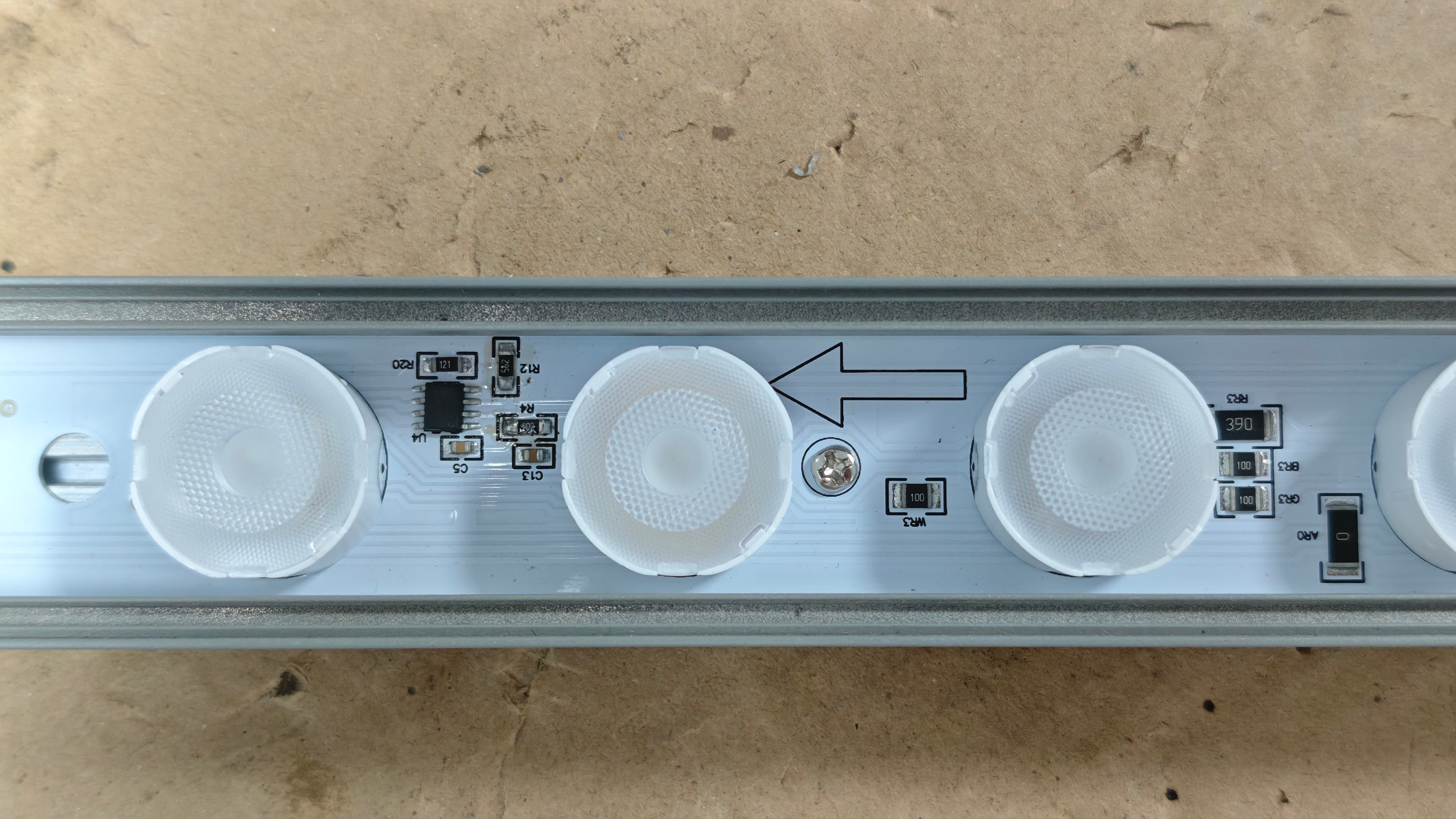
What Is Lumen in Lighting? A Practical Guide to Understanding Brightness
In the realm of modern lighting, the term lumen has become a key metric for both professionals and enthusiasts alike. But what exactly does a lumen represent, and why has it gained such importance in the way we understand light today? At its core, a lumen measures the total amount of visible light emitted by a source, giving a clear indication of its brightness as perceived by the human eye.
Unlike older indicators that focused primarily on energy consumption, lumens provide a more accurate reflection of how a space will be illuminated. From cozy living rooms to grand outdoor facades, knowing the lumen output of a fixture allows designers and homeowners to make informed decisions about light placement, intensity, and overall ambiance. Understanding lumens is not just a technical detail—it is the first step in creating lighting that feels right, looks appealing, and meets functional needs.
What is a Lumen?
A lumen is the standard unit of measurement for the total amount of visible light emitted by a source. In simpler terms, it tells us how bright a light appears to the human eye, regardless of the type of bulb or fixture. Unlike watts, which measure energy consumption, lumens provide a more accurate assessment of the light output, making them a critical metric for anyone involved in lighting design, installation, or selection.
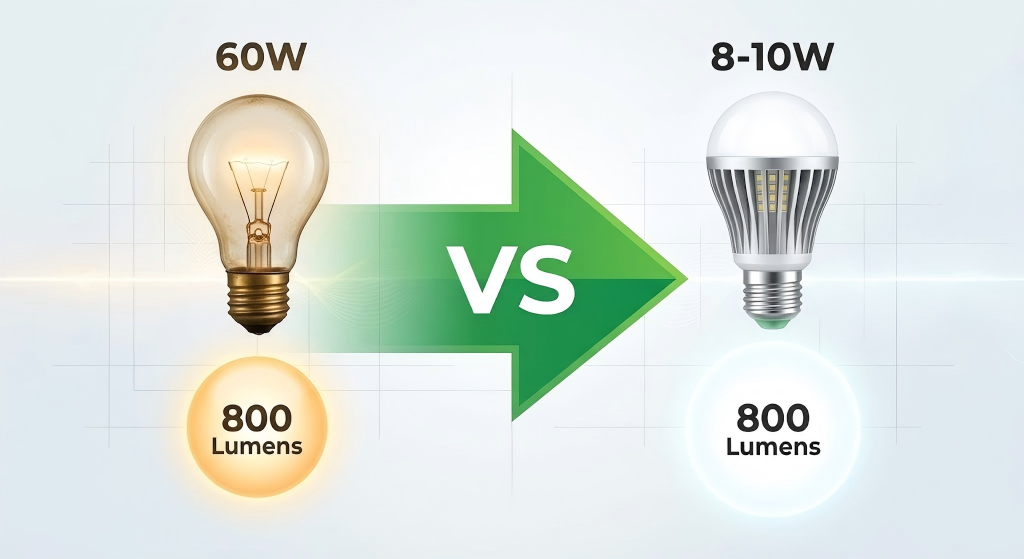
For example, a typical 60-watt incandescent bulb produces around 800 lumens, while an energy-efficient LED bulb can generate the same 800 lumens while consuming only 8 to 10 watts. This demonstrates why understanding lumens is essential: two lights with the same wattage can appear drastically different if their lumen output varies.
In practical applications, lumens help designers determine how much light is needed for a particular space. A small reading nook may require just 400–600 lumens, while a large office or commercial facade may need several thousand lumens to achieve optimal brightness. By considering lumens instead of simply relying on wattage, designers and homeowners can create lighting that is both visually comfortable and energy-efficient.
Why Lumens Matter in Modern Lighting
Lumens have become a cornerstone of modern lighting because they directly determine how a space feels and functions. In today’s world of LED lighting, it’s no longer enough to choose a fixture based on wattage alone. The same wattage can produce vastly different brightness levels, depending on the technology, design, and efficiency of the light source. This is why lumens have become the universal metric for assessing true light output.
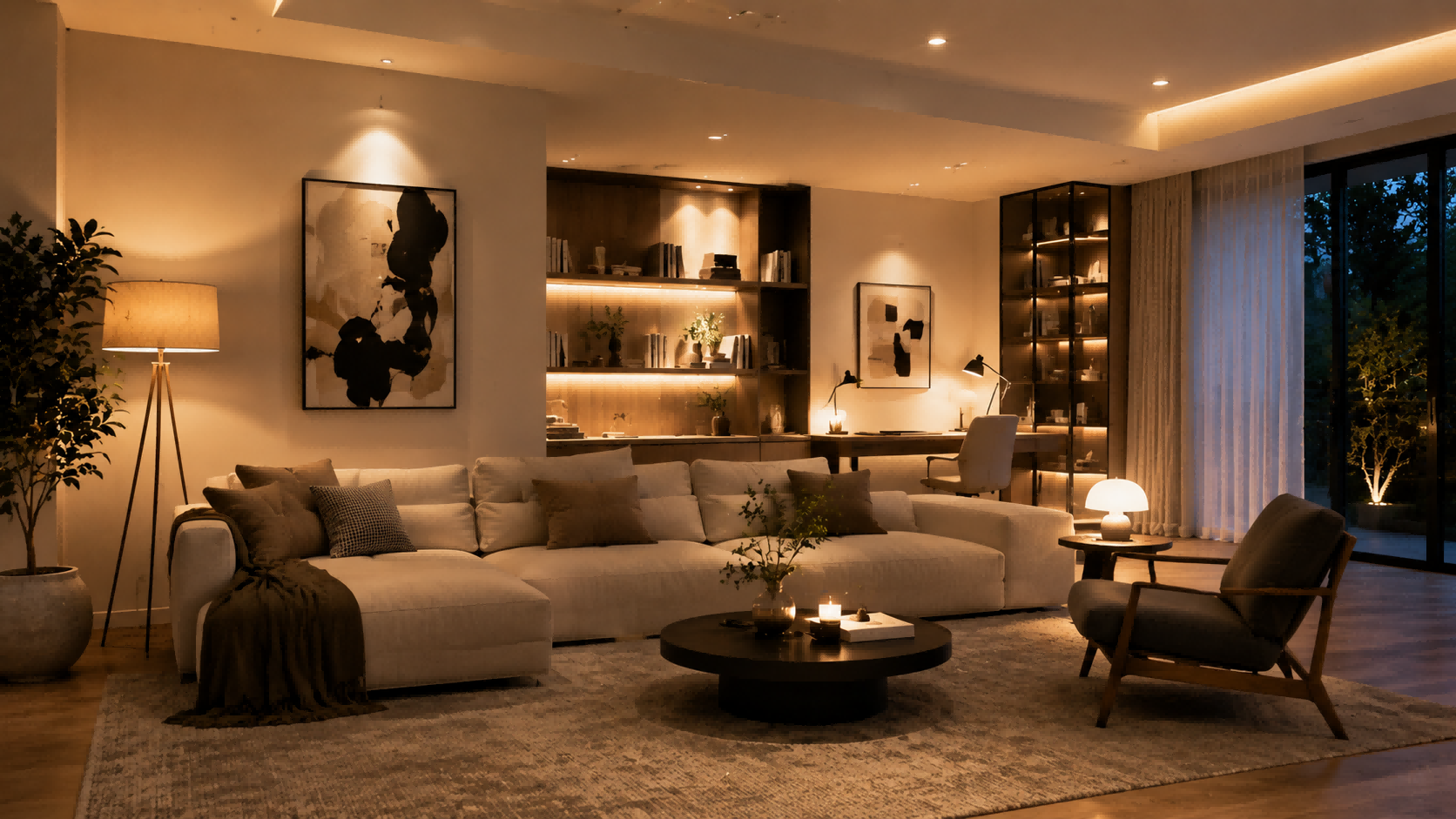
Understanding lumens is crucial for both aesthetics and practicality. In interior spaces, inadequate lumens can leave rooms feeling dim and uninviting, while excessive lumens can create glare and visual discomfort. For instance, a living room might be comfortable with 1,500–3,000 lumens spread across multiple light sources, whereas a conference room or retail space may require 5,000 lumens or more to ensure clarity and visibility.
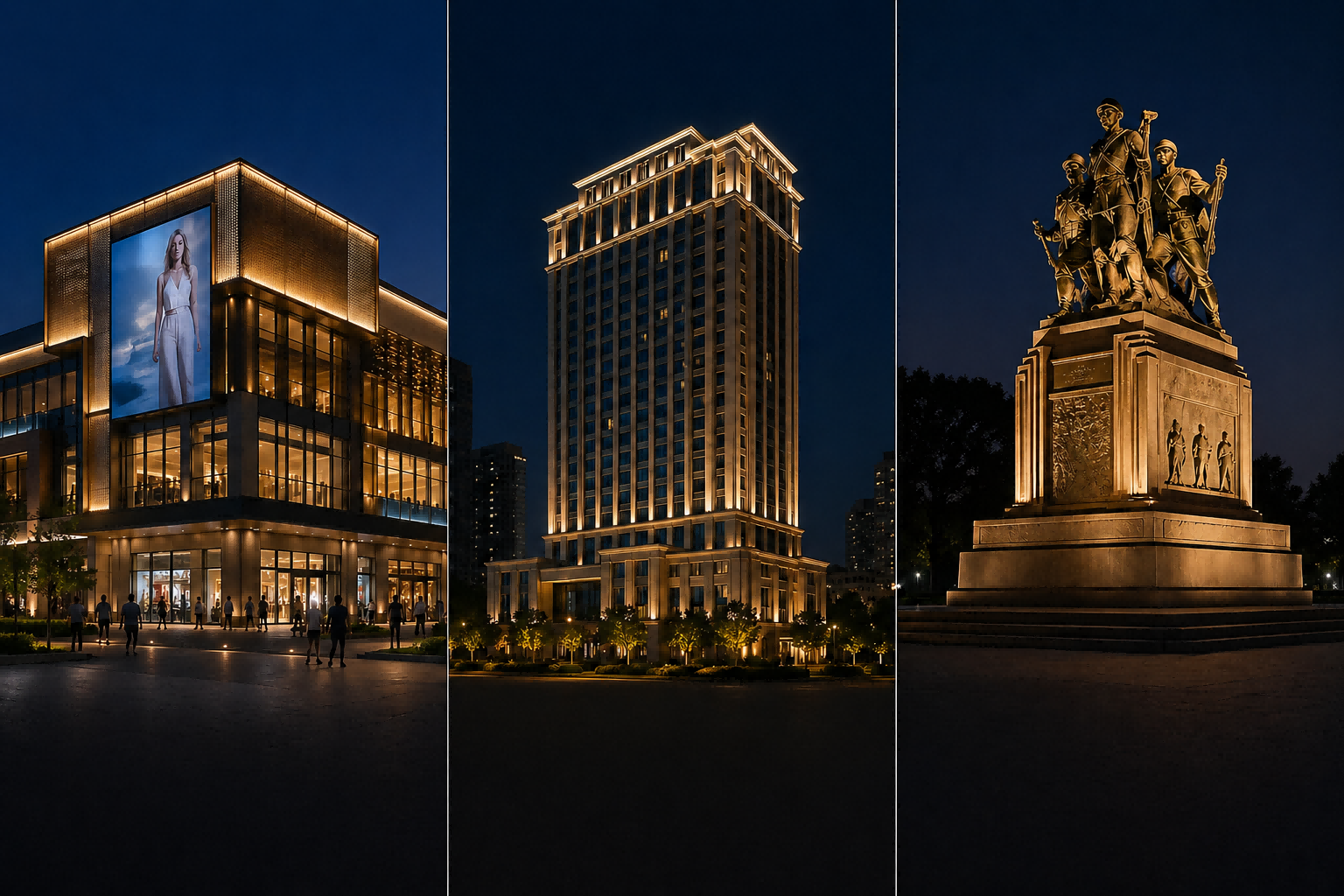
In outdoor and architectural applications, lumens determine not just visibility but also the impact of design. Highlighting a building facade, monument, or landscape feature requires careful calculation of lumens to balance dramatic effect with energy efficiency. By focusing on lumens, lighting professionals can achieve a precise combination of brightness, mood, and functionality, making spaces both visually appealing and practically illuminated.
Lumens vs. Watts: What’s the Difference?
For many years, wattage was the go-to number on light bulbs. People assumed that more watts meant brighter light—but in modern lighting, this assumption can be misleading. Watts measure how much energy a fixture consumes, not how much light it actually produces. Lumens, on the other hand, directly measure the brightness perceived by our eyes, making them the true metric for effective lighting.
Consider a practical example: a 60-watt incandescent bulb produces about 800 lumens. To get the same brightness, an LED bulb uses only 8–10 watts. If you chose your lighting based solely on wattage, you might under-light a room or waste energy with a fixture that is unnecessarily powerful. In other words, wattage tells you the cost to run the light, but lumens tell you how well it lights the space.
This distinction becomes especially important in lighting design. When planning a living room, office, or outdoor facade, focusing on lumens allows designers to create spaces with balanced brightness, proper task lighting, and visual comfort. Understanding this difference ensures that your lighting choices are both energy-efficient and effective, rather than just assuming “more watts equals more light.”
How Lumens Affect Lighting Design
Lumens play a central role in lighting design because they directly influence how a space is perceived, both aesthetically and functionally. Whether designing interiors, commercial spaces, or architectural facades, the right lumen output ensures that light not only illuminates but also enhances the environment.
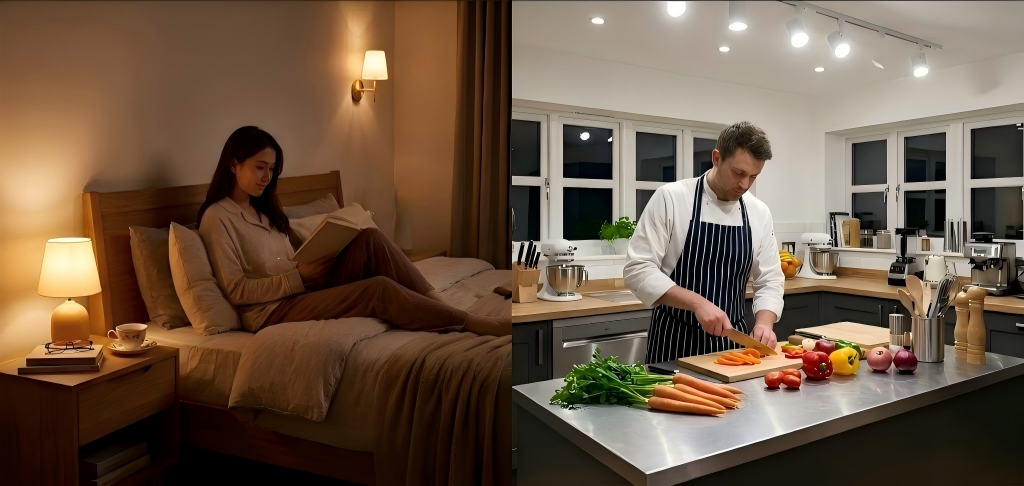
In interior spaces, lumens determine the balance between task lighting and ambient lighting. For example, a kitchen workspace may require 500–700 lumens per fixture to ensure counters are well-lit for cooking, while a living room might need 1,500–3,000 lumens spread across multiple sources to create a comfortable, inviting atmosphere. Selecting fixtures based on lumens rather than watts allows designers to achieve consistent brightness without over-illuminating the space or wasting energy.
For outdoor and architectural lighting, lumen calculations become even more critical. A building facade may need different lumen levels across sections to highlight textures, create depth, and emphasize architectural features. Too few lumens can make the facade appear flat and uninspiring, while too many can cause glare and overshadow the intended design. By carefully planning lumen distribution, designers can craft dramatic, visually appealing lighting that is both functional and energy-efficient.
Moreover, lumens influence color perception and mood. High lumen levels can make spaces feel energetic and vibrant, while lower levels create warmth and intimacy. Understanding how lumen output interacts with fixture placement, beam angles, and light color temperature enables designers to control not just visibility, but also emotional impact, transforming ordinary spaces into memorable experiences.
Other Factors That Affect Perceived Brightness
While lumens are the primary measure of light output, perceived brightness is influenced by several additional factors. Understanding these elements is essential for creating effective lighting designs that meet both functional and aesthetic goals.
1. Color Temperature: Measured in Kelvins (K), color temperature affects how bright light appears. Cooler light (4000K–6500K) often feels brighter and more energetic, making it ideal for offices or retail environments. Warmer light (2700K–3000K), common in residential spaces, can appear softer and less intense even at the same lumen level.
2. Fixture Type and Beam Angle: The way light is distributed significantly impacts perception. A narrow-beam spotlight focuses lumens on a small area, creating high-intensity illumination, while a wide-beam fixture spreads the same lumens across a larger space, reducing apparent brightness.
3. Reflective Surfaces and Room Geometry: Walls, ceilings, and floors reflect or absorb light, affecting how bright a space feels. Light-colored surfaces amplify lumens, whereas dark materials absorb them. Similarly, high ceilings may require higher lumen output to maintain adequate illumination at eye level.
4. Distance and Placement: Lumens diminish with distance. A fixture that appears bright up close may be insufficient for larger spaces if poorly positioned. Strategic placement ensures even illumination and optimal visual comfort.
By considering these factors alongside lumen output, designers and homeowners can create spaces that are well-lit, visually appealing, and suited to their intended purpose.
How to Choose the Right Lumen Output for LED Lighting
Selecting the appropriate lumen output is crucial for achieving the desired brightness, energy efficiency, and visual comfort in any lighting project. Unlike traditional incandescent bulbs, where wattage was the primary reference, LED lighting requires a more precise approach based on lumens and application needs.
1. Determine the Purpose of the Space: Task areas such as kitchens, offices, or workbenches require higher lumens for clarity, typically ranging from 500 to 1,000 lumens per fixture. Ambient spaces like living rooms or lounges may need 1,500–3,000 lumens spread across multiple light sources. Outdoor walkways, gardens, or building facades often require 3,000–5,000 lumens or more depending on scale.
2. Calculate the Room Size: Lumen requirements scale with the area of the space. Example formula:
Total Lumens Needed=Room Area (sq. ft.)×Recommended Lumens per Sq. Ft.\text{Total Lumens Needed} = \text{Room Area (sq. ft.)} \times \text{Recommended Lumens per Sq. Ft.}
Total Lumens Needed=Room Area (sq. ft.)×Recommended Lumens per Sq. Ft.
A 200 sq. ft. home office needing 50 lumens per sq. ft. would require approximately 10,000 lumens, distributed among multiple fixtures for even lighting.
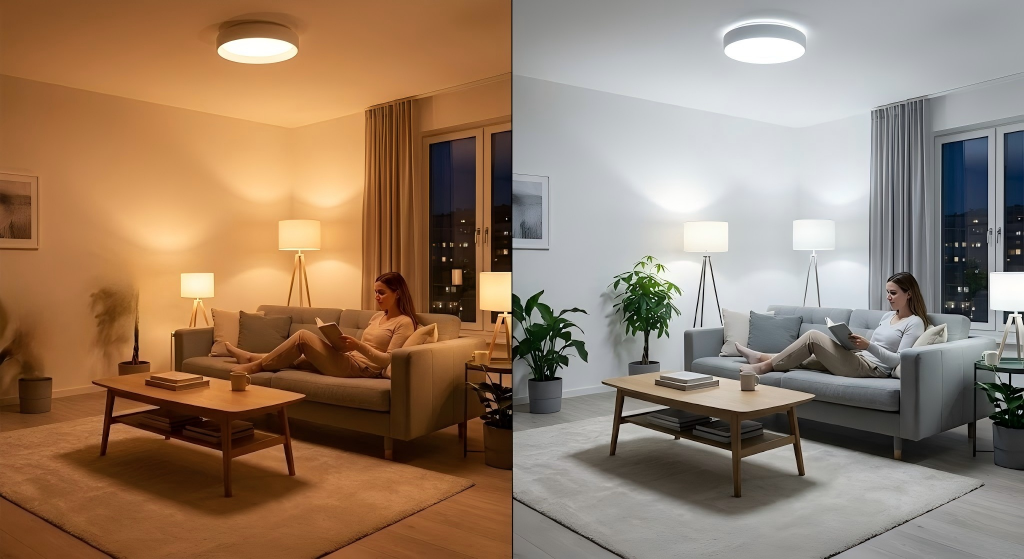
3. Consider Fixture Efficiency and Placement: LED fixtures vary in efficiency, and the distribution of light affects perceived brightness. Proper placement minimizes dark spots and shadows.
4. Account for Color Temperature and Dimming: Cooler temperatures appear brighter, while dimmable LEDs provide flexibility for different activities. Combining lumen planning with color selection ensures both functional and aesthetic success.
Applying Lumens in Outdoor and Architectural Lighting Projects
In outdoor and architectural lighting, lumens are essential for both visibility and aesthetic impact. Proper lumen planning ensures that structures, landscapes, and public spaces are illuminated effectively, highlighting key features without causing glare or light pollution.
1. Building Facades: Different sections may require varying lumens to emphasize textures, architectural lines, or decorative elements. Brighter illumination on vertical edges can create depth, while recessed areas need fewer lumens to avoid a flat appearance.
2. Monuments and Landmarks: Carefully calculated lumens enhance visibility at night while preserving original character. Directional LED spotlights with controlled lumen output can highlight statues or engravings without overwhelming surrounding areas.
3. Outdoor Pathways and Landscapes: Pathways typically require 100–300 lumens per fixture for safety, while trees or water features may use 500–1,000 lumens to create dramatic effects. Strategic lumen distribution ensures safety and visual appeal.
By combining lumen planning with color temperature, beam angles, and fixture placement, designers can create outdoor and architectural lighting that is functional, visually compelling, and memorable.

FAQs
Q1: Does a higher lumen rating always mean better lighting?
Not necessarily. Higher lumens increase brightness but can cause glare or harsh shadows if not properly balanced. Effective lighting considers lumen output, fixture placement, and beam angles.
Q2: Can I judge a light by its wattage instead of lumens?
No. Watts measure energy use, not brightness. Two fixtures with the same wattage can have very different lumen outputs, especially when comparing LEDs to incandescent bulbs.
Q3: Do all LEDs with the same lumen rating look equally bright?
No. Lens quality, fixture design, and beam angle affect perceived brightness. Two LEDs with identical lumens may illuminate a space differently.
Q4: Is lumen output the only factor for comfortable lighting?
Lumens are important but not the only factor. Color temperature, CRI, and placement also affect comfort. High-lumen light with poor color quality can feel harsh, while lower-lumen light with high CRI can be warm and inviting.
Conclusion: Understanding Lumens for Better Lighting Design
Lumens are more than just a number on a light bulb—they are the key to achieving the right balance of brightness, efficiency, and visual comfort in any lighting project. From interior spaces to architectural facades and outdoor landscapes, understanding lumens allows designers, engineers, and homeowners to make informed decisions that enhance both function and aesthetics.
By considering lumen output alongside factors such as color temperature, beam angles, fixture placement, and surface reflections, lighting can be tailored to meet the specific needs of each environment. Proper lumen planning ensures spaces are well-lit without wasting energy, creating environments that are safe, visually appealing, and aligned with design goals.
Whether you are selecting LED fixtures for a cozy living room, designing an office space, or illuminating a landmark building, focusing on lumens empowers you to create lighting that performs well, feels comfortable, and elevates the overall experience. In modern lighting design, lumens are the bridge between technical efficiency and the art of light.