
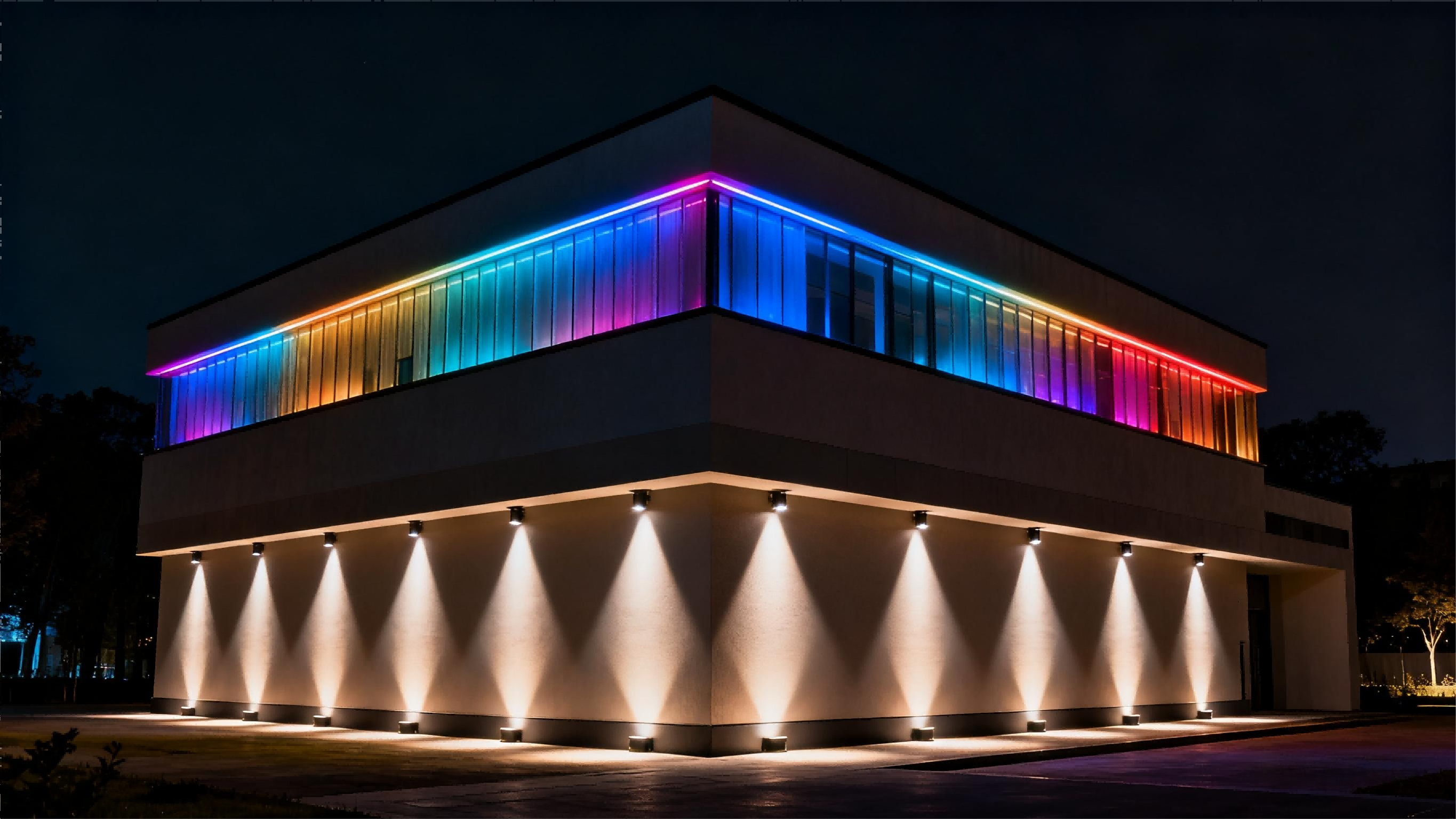
Façade lighting unites artistic vision with engineering: layered illumination (wash, accents, effects), precise optics, and serviceable, durable fixtures deliver strong visual outcomes with controlled lifecycle costs. Use linear luminaires for crisp lines, wall washers for uniform areas, and a targeted mix of static white plus RGBW; integrate DALI/DMX control, photometric simulations and physical mock-ups to de-risk installations, and apply careful aiming, material and IP choices to control glare and withstand local climates. Framing energy, maintenance, and placemaking benefits as an ROI makes a persuasive case for higher-quality specifications.
READ MORE>>
2025-10-30 13:49
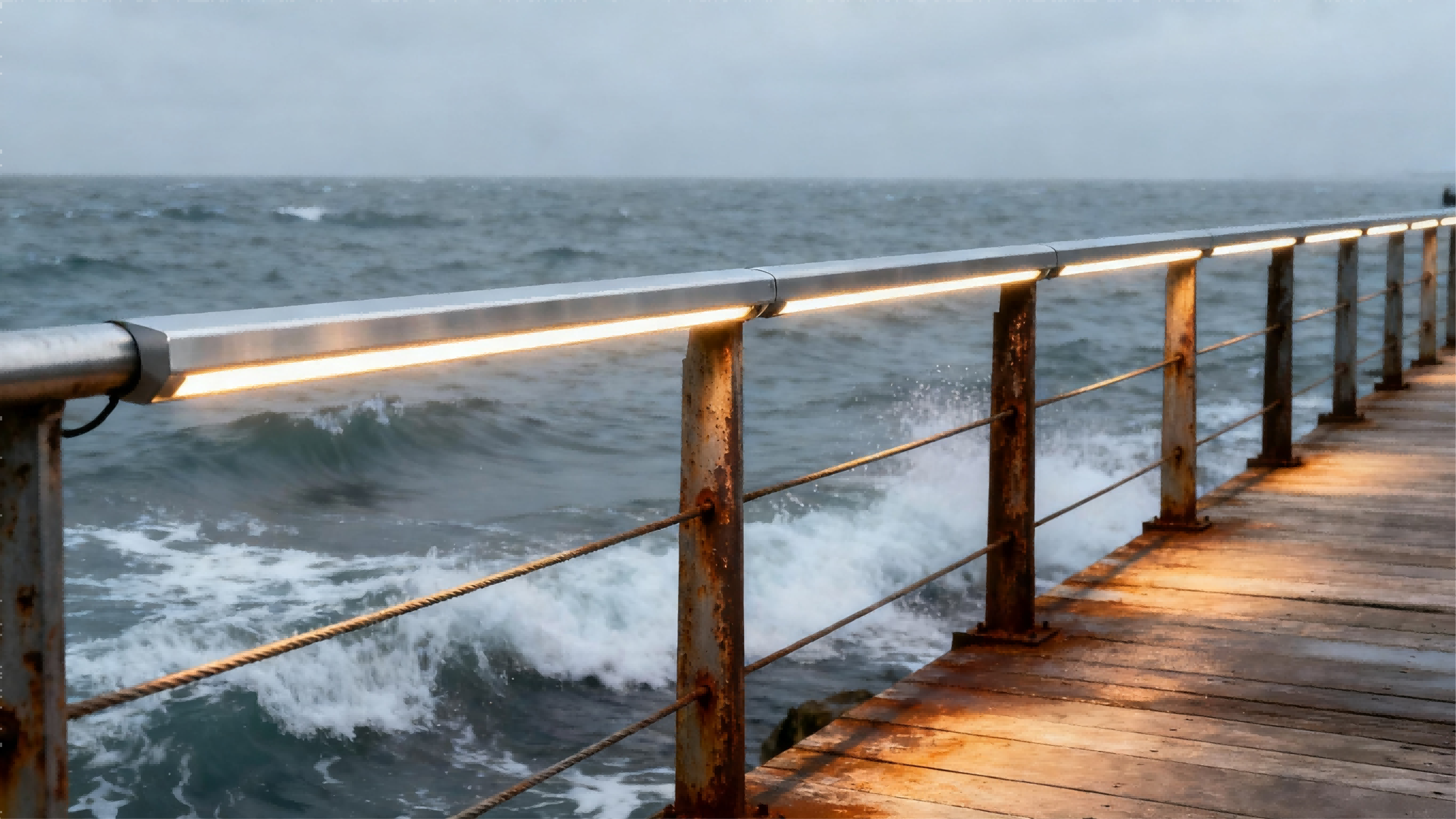
Practical guide to improving weather and corrosion resistance of outdoor lighting fixtures—materials, coatings, installation, maintenance and smart solutions for lasting performance.
READ MORE>>
2025-10-20 17:30
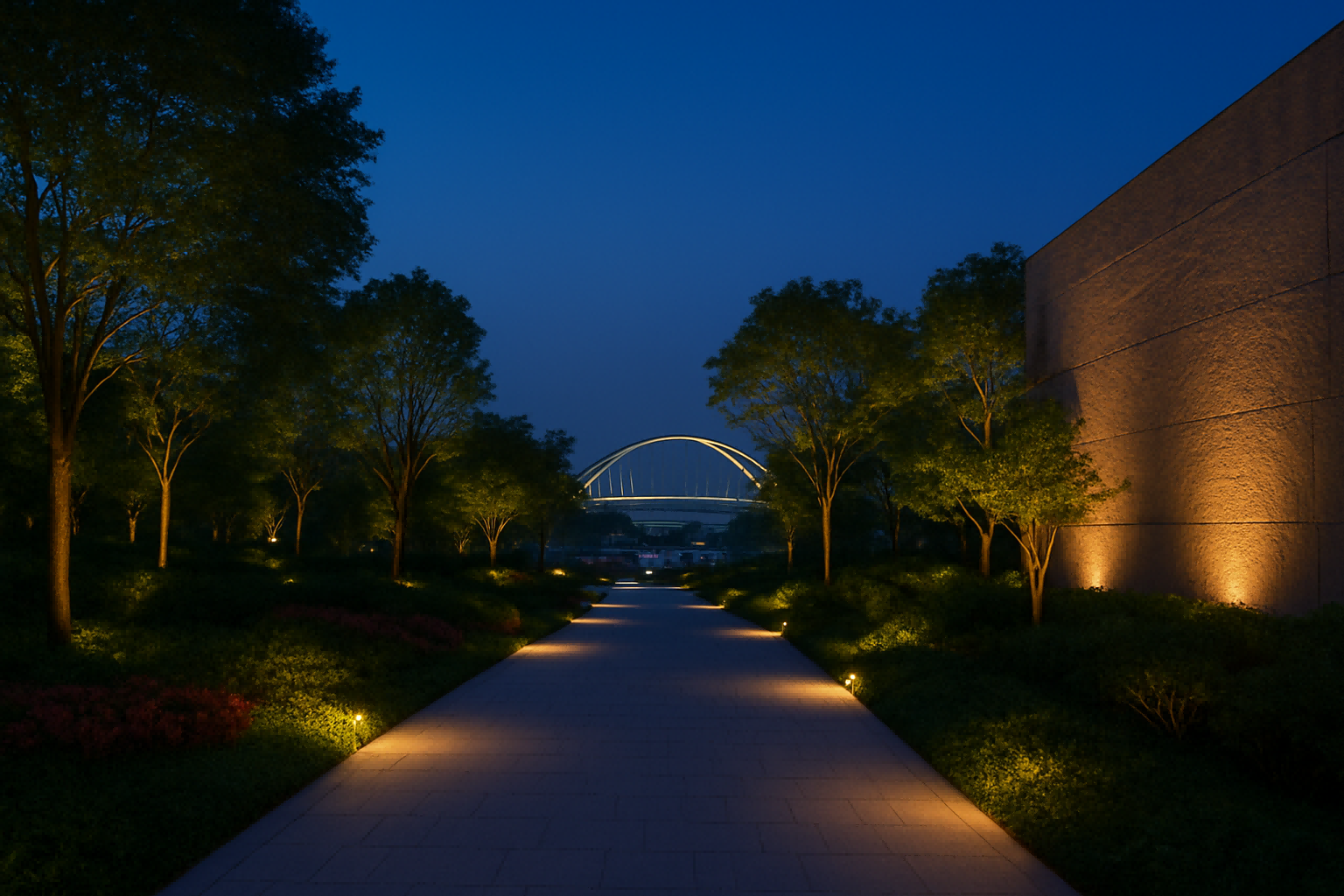
Landscape architecture and lighting integration creates emotional, functional, and sustainable public spaces. Explore how light shapes modern cities after dark.
READ MORE>>
2025-10-17 15:31
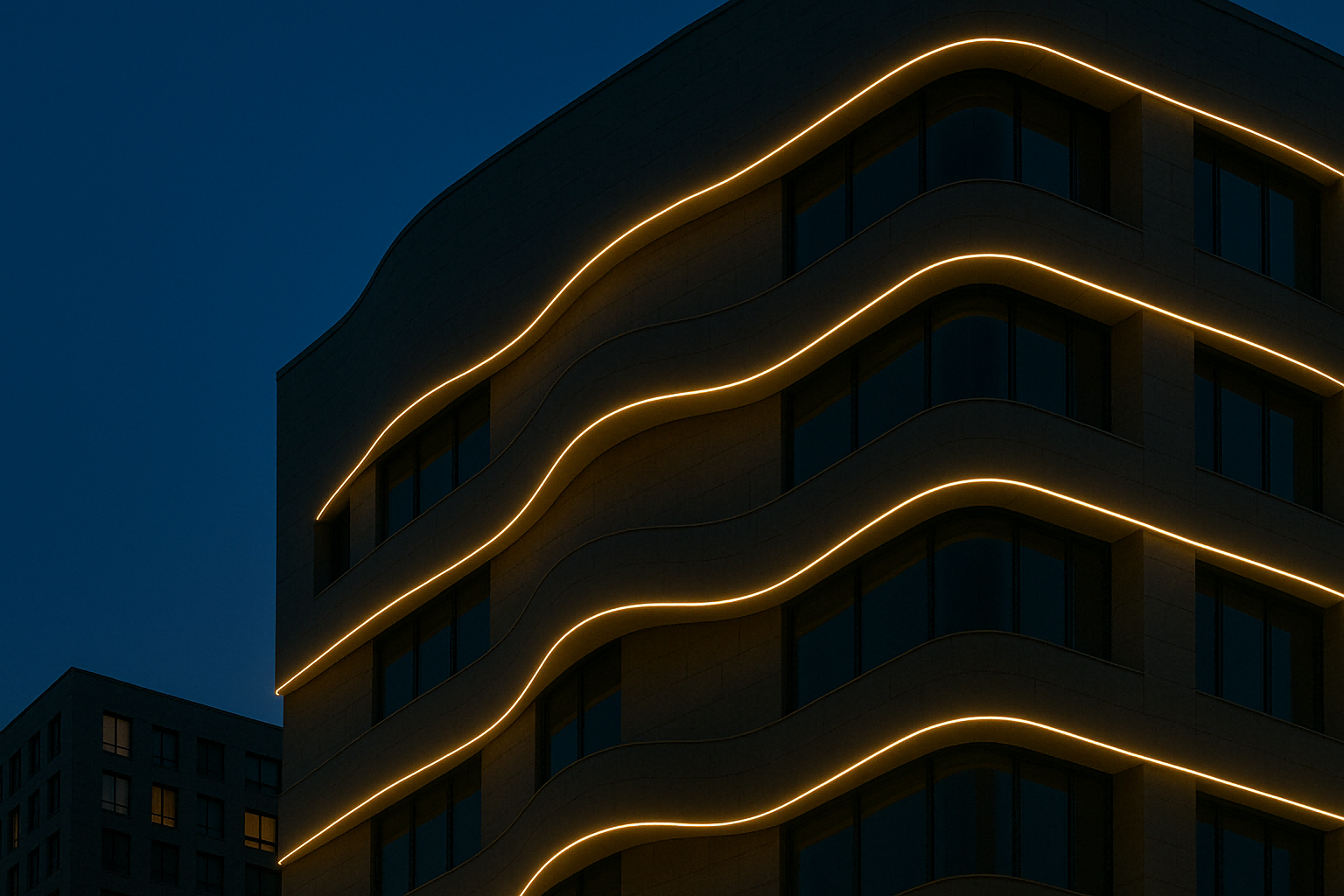
Lighting irregular facades is both an art and a science. This article explores practical strategies to illuminate complex architectural forms—curved, folded, or textured surfaces—by combining creativity with engineering precision. It covers site surveys, technical assessments, lighting design principles, fixture and optical selection, structural installation, and intelligent control systems. Emphasis is placed on achieving visual harmony, energy efficiency, and long-term reliability through hybrid lighting strategies, modular fixtures, and pixel-level control. With over 15 years of global experience, LNJAMI provides tailored facade lighting solutions that transform architectural challenges into captivating, sustainable nightscapes.
READ MORE>>
2025-10-11 11:30
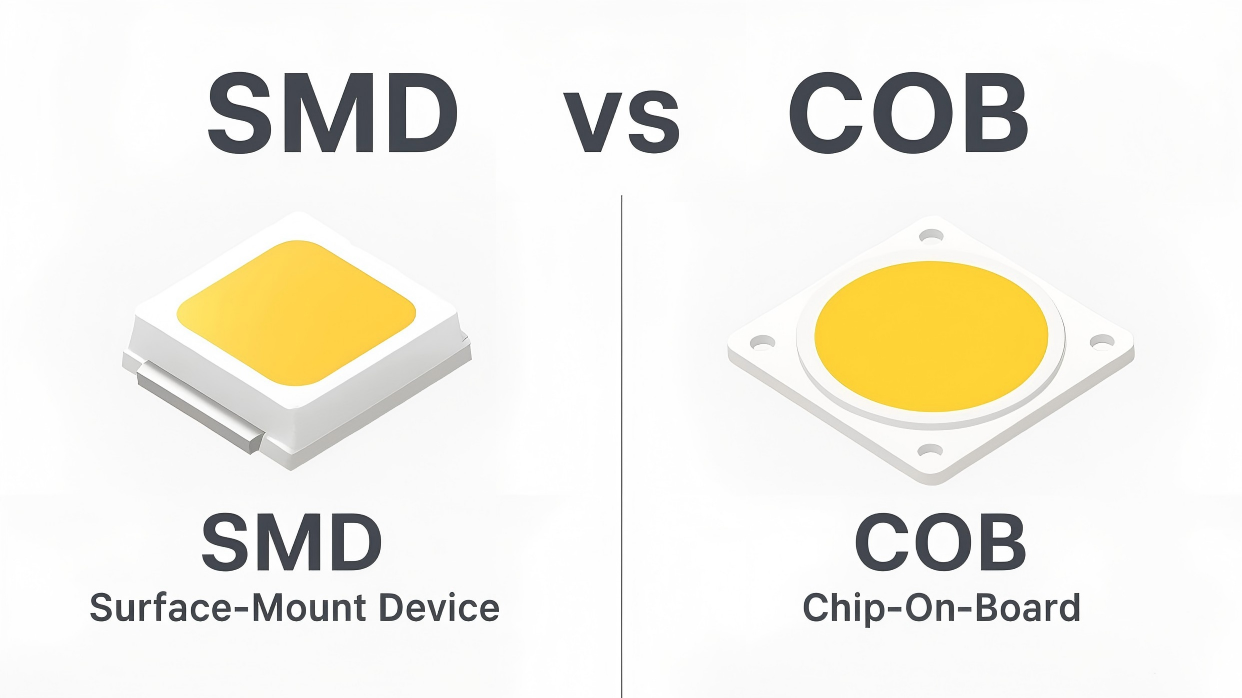
SMD and COB each excel in different ways: SMD provides modular design, color flexibility, and pixel control for strips and displays, while COB offers higher lumen density, uniform light, and better color rendering for downlights and floodlights. The right choice depends on system-level factors like lm/W, junction temperature, and CRI rather than chip specs alone. Many projects combine both—COB for main lighting and SMD for effects—to balance performance and cost. Always set clear acceptance criteria and test samples before mass procurement.
READ MORE>>
2025-10-02 17:14
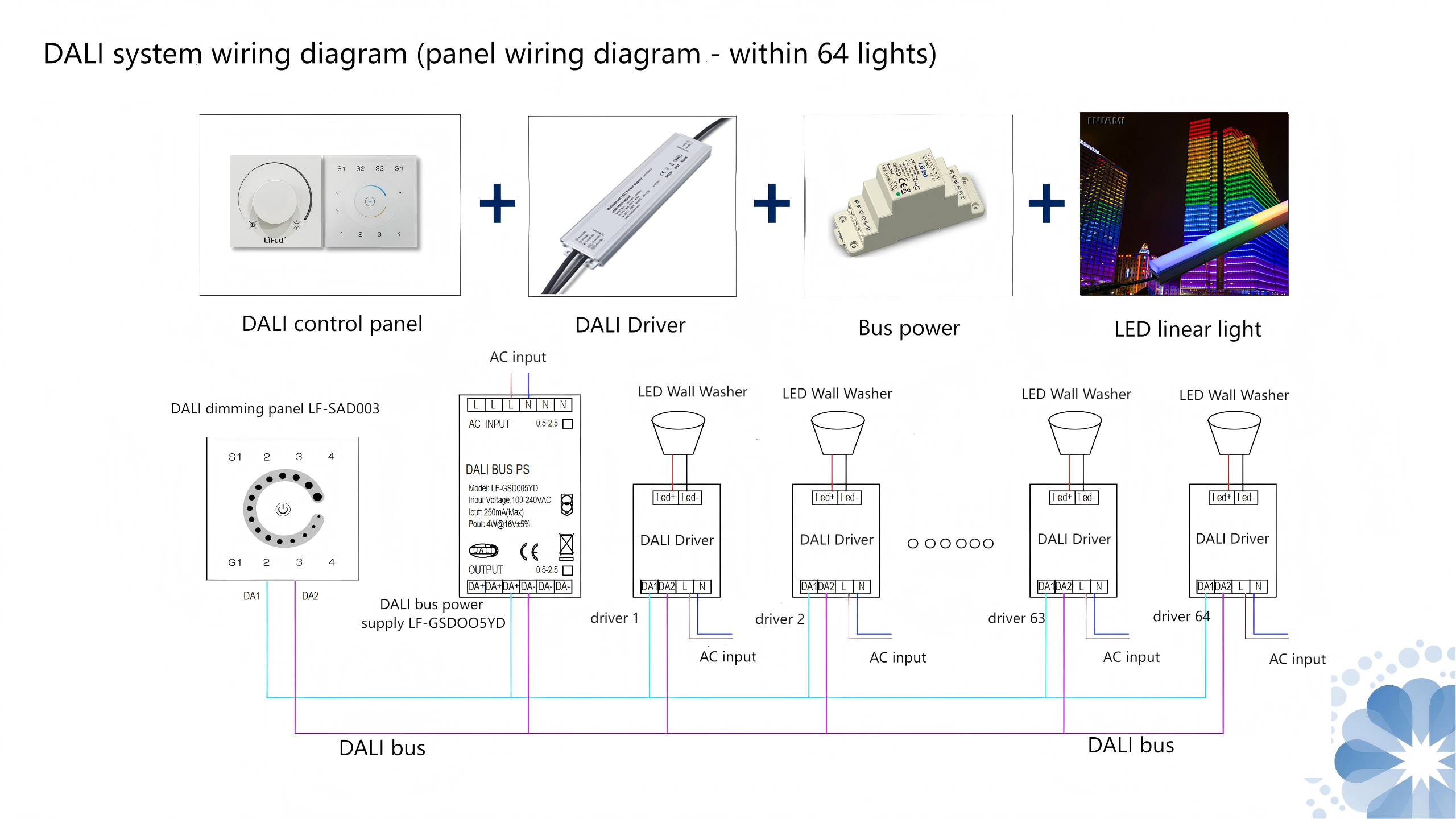
Explore DALI and DALI-2: global lighting control standards delivering energy efficiency, flexibility, and smart integration for modern buildings.
READ MORE>>
2025-09-22 17:30

