
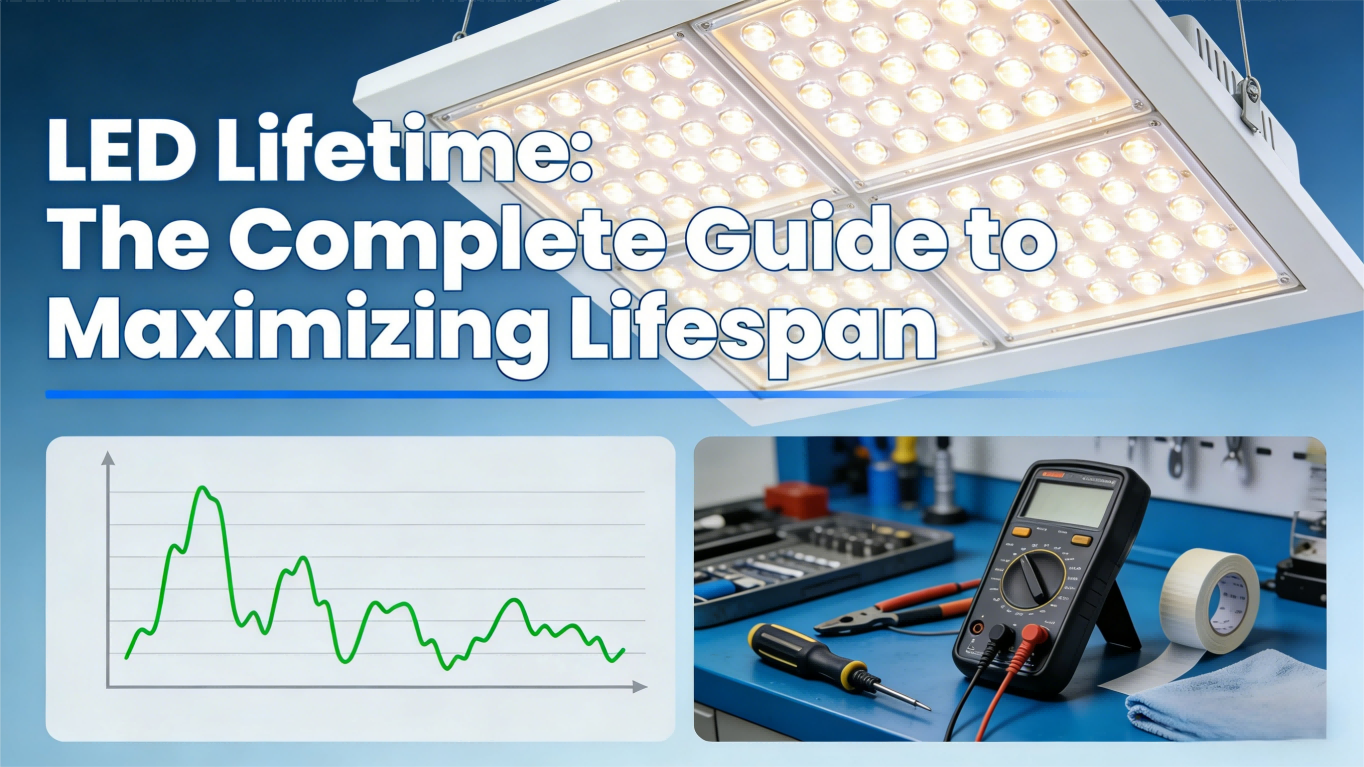
LED lifetime is not a marketing hours number — it’s the KPI that determines a project’s TCO and the nightscape’s long-term appearance. To turn vendor claims into predictable outcomes, prioritize thermal management, driver quality and materials/sealing from day one: use Tj = Ta + Pd × RθJA for first-order checks, validate heat paths with CFD plus instrumented mock-ups, and insist on 72-hour burn-in and documented surge/aging data for drivers. Lock optical requirements (tight binning, SDCM ≤ 3) and UV-stable optics into the spec to avoid “patchy wall” effects, and favor structural waterproofing with corrosion-resistant hardware over indiscriminate potting. When budgets are tight, spend in this order — thermal → driver → materials — and do three things now: set and validate Tc targets, require driver burn-in plus surge specs in procurement, and include optical binning and anti-corrosion clauses in your contract.
READ MORE>>
2025-12-05 15:47
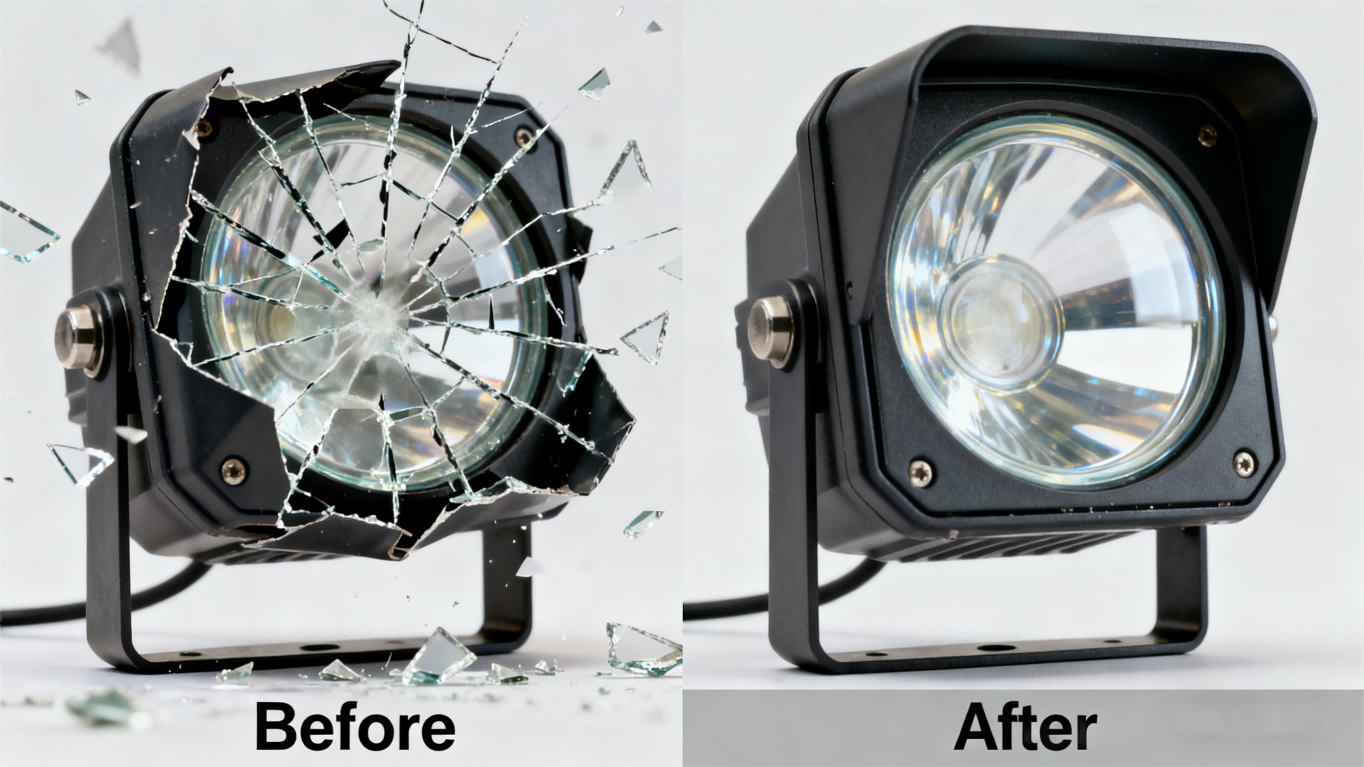
This guide explains why IK (IEC 62262) matters alongside IP (IEC 60529) for outdoor facade, bridge, and landscape lighting, and it gives practical IK/IP pairings for common applications (façades IK06–IK08, bridges IK08–IK10, ground/landscape IK09–IK10). It shows how IK is achieved in material and structural design (energy-absorption vs. rigid strength), highlights testing and procurement best practices (inspect IEC 62262 test reports, demand post-impact IP retests and aging+impact tests), and includes illustrative case studies demonstrating lower maintenance and better TCO after upgrading IK. Use the provided specification language and checklist to convert design intent into enforceable tender requirements.
READ MORE>>
2025-11-27 17:19
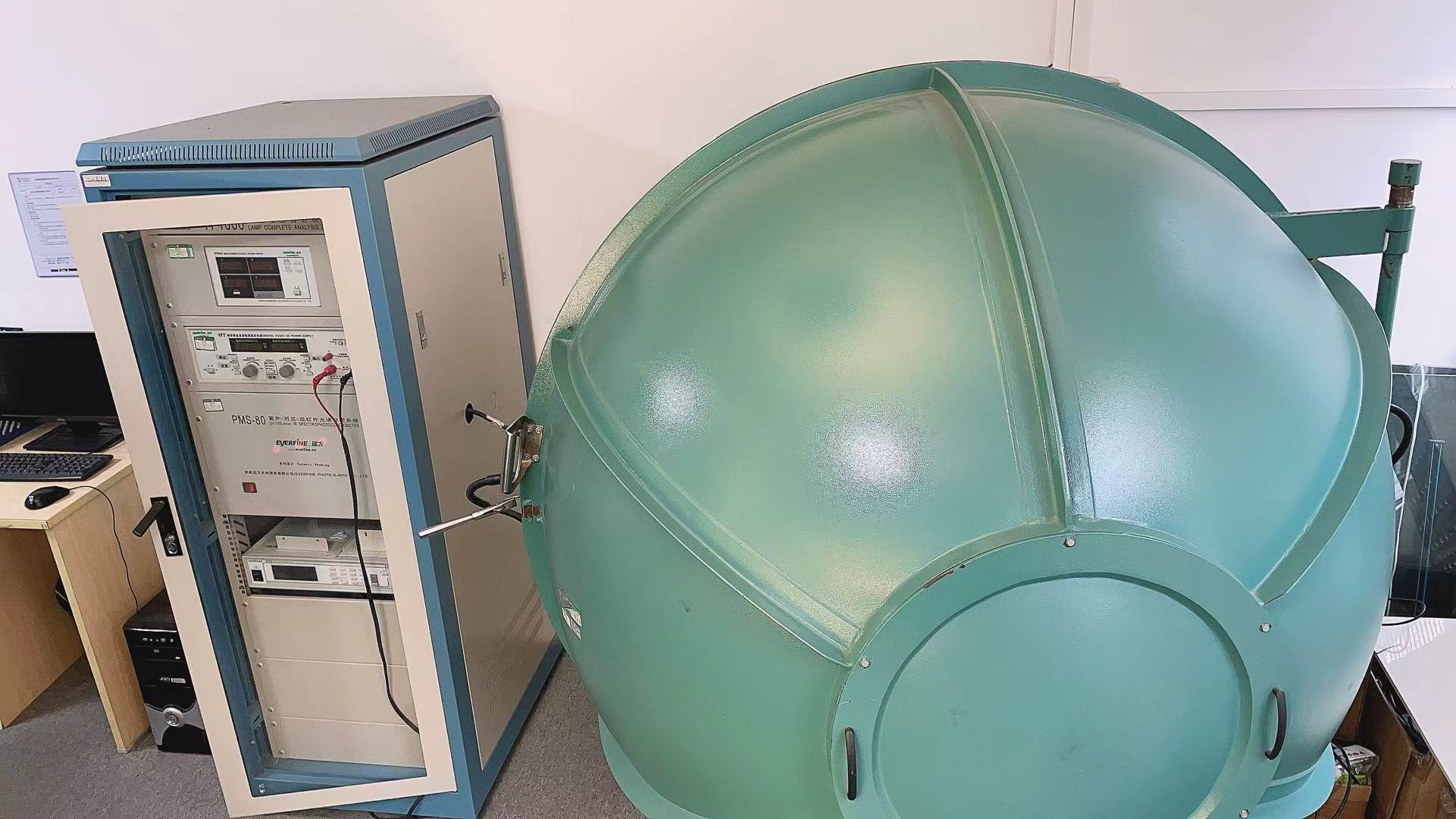
IP65+ is not an optional label—it is the foundation of long-term reliability for exterior lighting. While the IP rating keeps water and dust out, true long-term performance depends on the right materials, durable seals, corrosion-resistant finishes, verified lab testing (IP/IK/salt-spray, LM-80/LM-79), and correct installation practices such as proper cable sealing, drainage-friendly mounting angles, and gasket maintenance. When you treat product selection, testing, and installation as one integrated process—and increase protection to IP66/67 for wash-down areas or coastal environments—you typically exchange a small amount of upfront investment for dramatically lower maintenance costs, more stable nighttime appearance, and far fewer emergency repairs.
READ MORE>>
2025-11-24 10:04

Brightness and illuminance are two essential concepts in architectural and outdoor lighting design, and understanding their differences is the key to creating visually impactful, comfortable, and energy-efficient night environments. Brightness is a subjective perception shaped by materials, reflectance, texture, and the human visual system, while illuminance is an objective measurement in lux that determines how much light reaches a surface. Designers must balance both to achieve clear visual hierarchy, optimal safety, glare control, and sustainable performance across facades, bridges, roads, and public spaces. With its precision-engineered wall washers, linear lights, and outdoor lighting systems.
READ MORE>>
2025-11-15 12:00
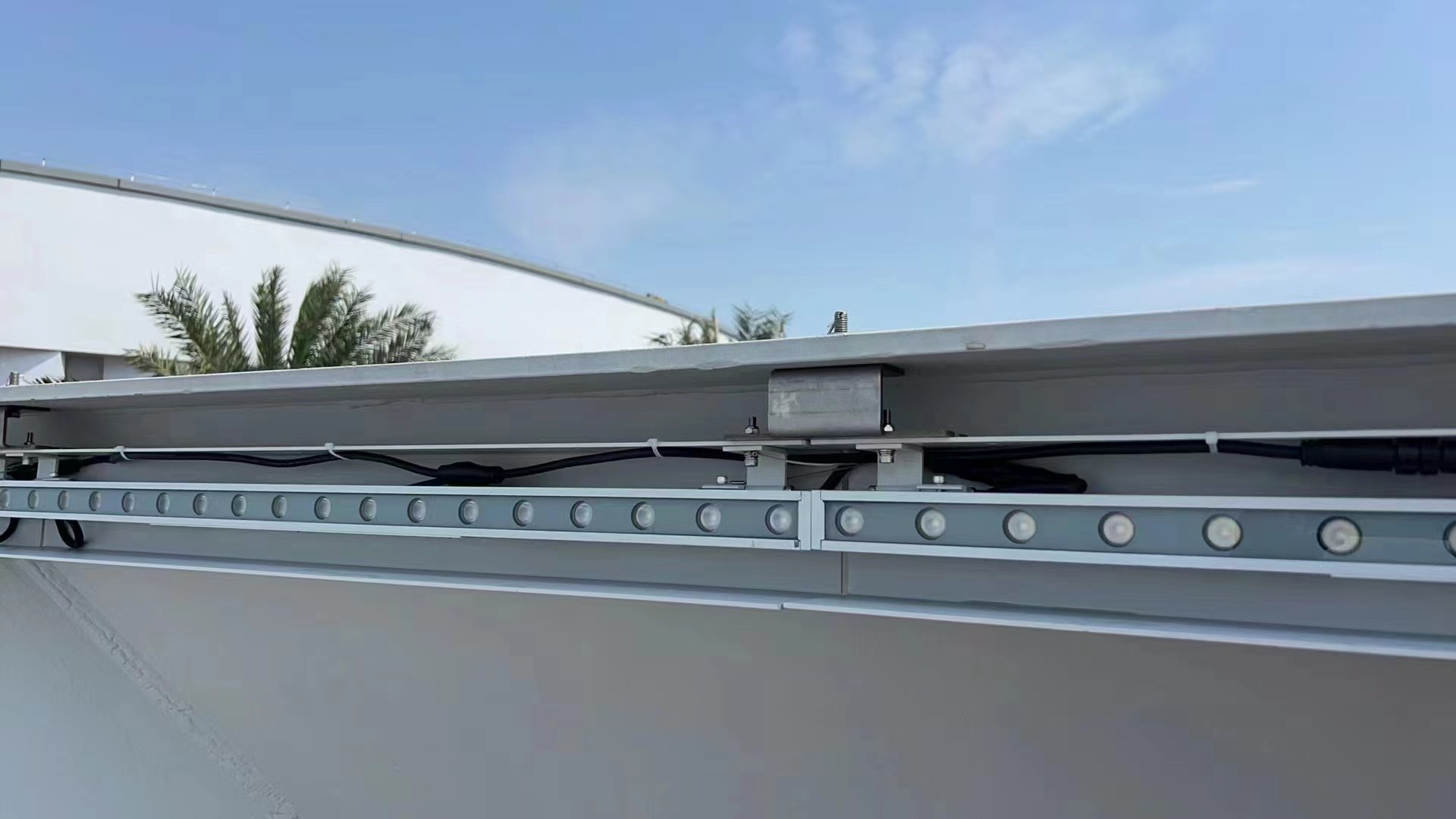
When an outdoor wall washer bracket is installed too low, causing uneven illumination with a bright base and a dark upper wall, it can be corrected through precise adjustments, raising the fixture, or replacing the hardware. The preferred initial solution is to use multi-angle adjustable brackets to redirect the beam without structural changes. For more significant height discrepancies, extension arms or spacer plates made of corrosion-resistant materials like stainless steel or anodized aluminum can be installed, ensuring all new joints are sealed with waterproof sealant. For complex facades, adding a continuous mounting channel provides a clean, unified lift for multiple fixtures. If physical adjustment is limited, compensate by modifying the optical setup—adjusting the fixture's distance from the wall or switching to a narrower beam angle lens. All corrections must be finalized with nighttime aiming and a waterproofing check to guarantee both performance and long-term durability.
READ MORE>>
2025-11-07 14:52
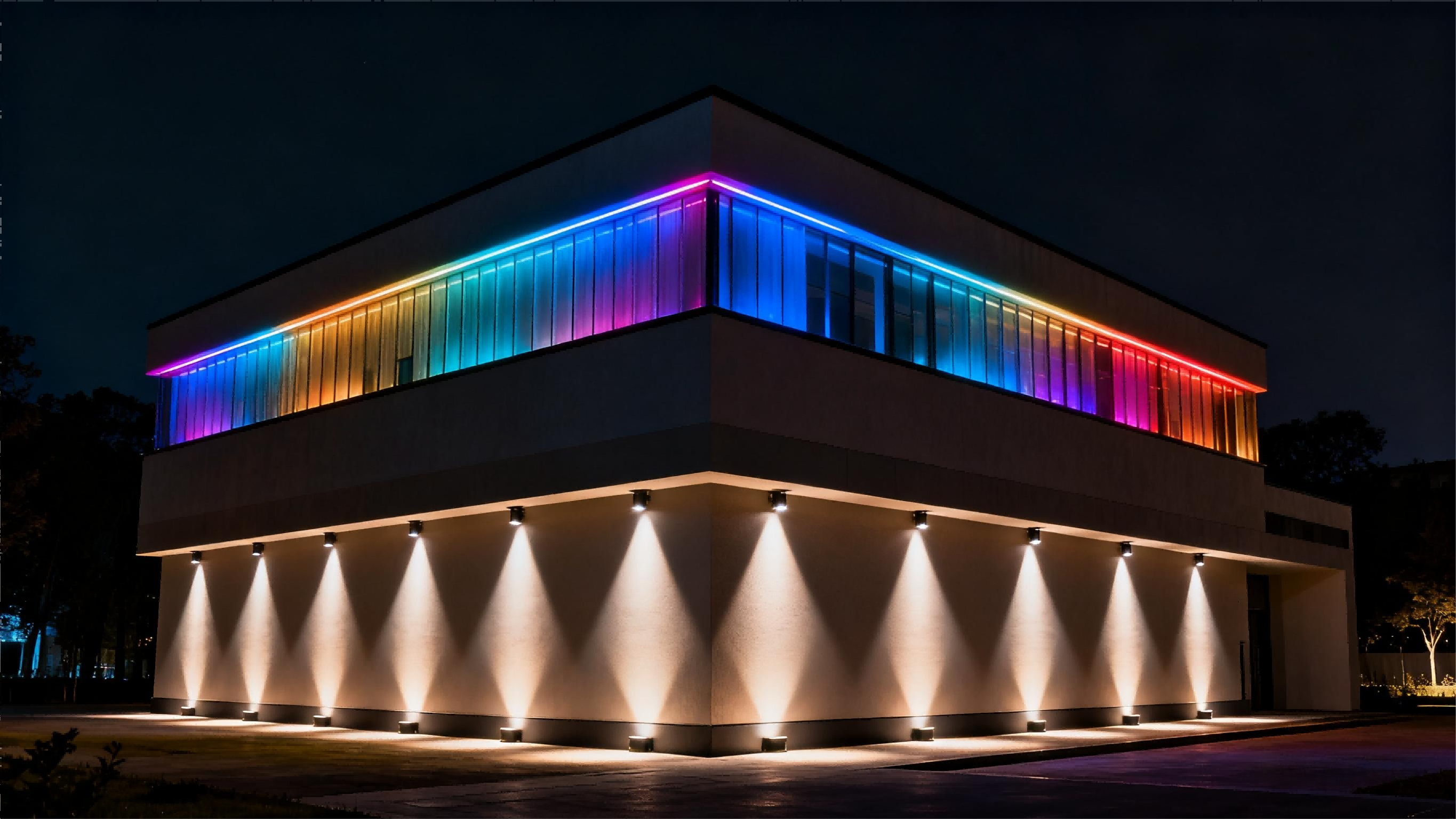
Façade lighting unites artistic vision with engineering: layered illumination (wash, accents, effects), precise optics, and serviceable, durable fixtures deliver strong visual outcomes with controlled lifecycle costs. Use linear luminaires for crisp lines, wall washers for uniform areas, and a targeted mix of static white plus RGBW; integrate DALI/DMX control, photometric simulations and physical mock-ups to de-risk installations, and apply careful aiming, material and IP choices to control glare and withstand local climates. Framing energy, maintenance, and placemaking benefits as an ROI makes a persuasive case for higher-quality specifications.
READ MORE>>
2025-10-30 13:49

